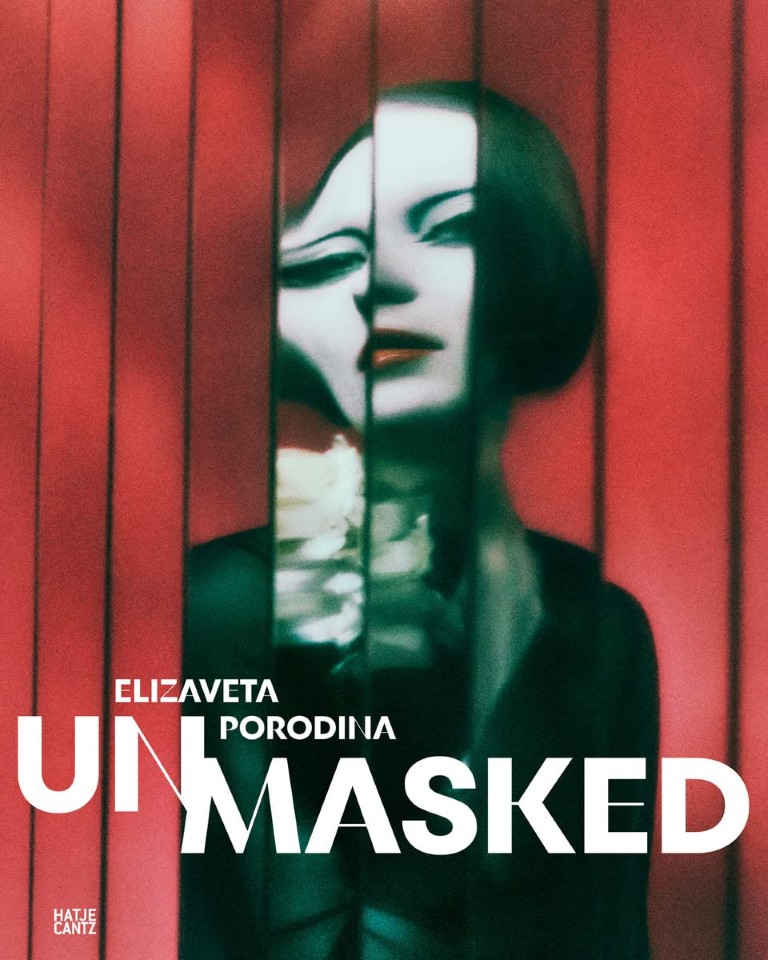
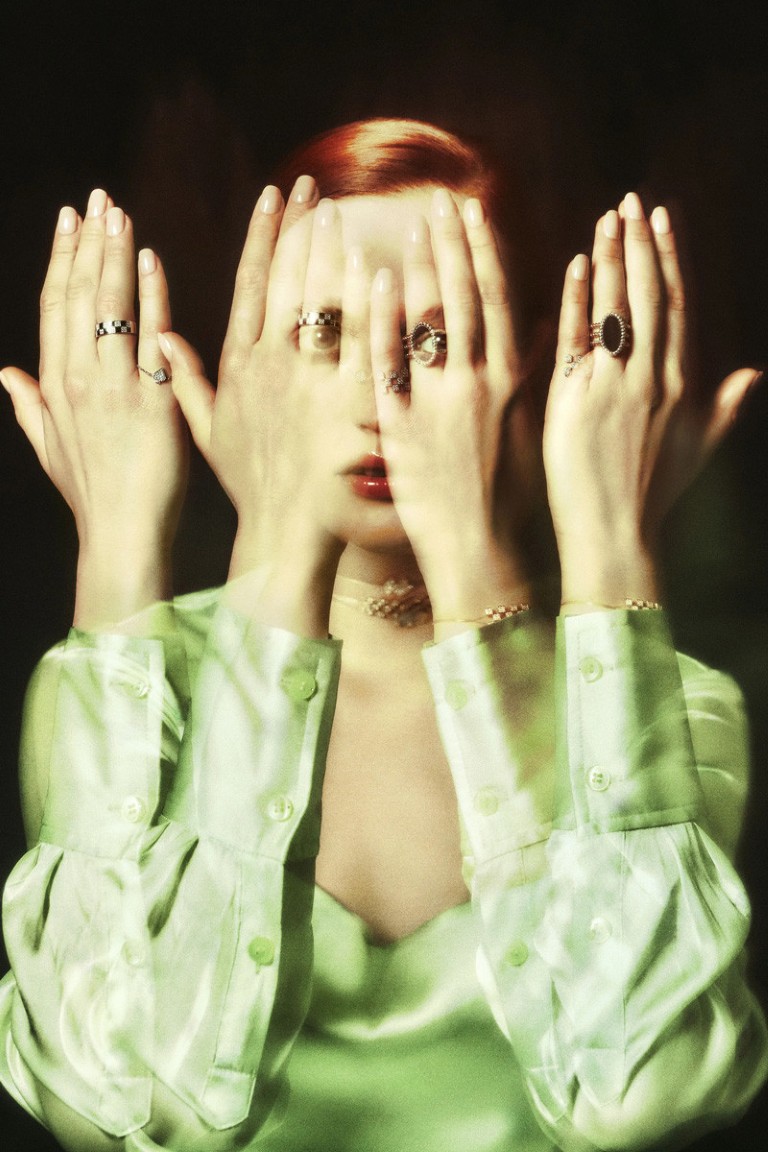
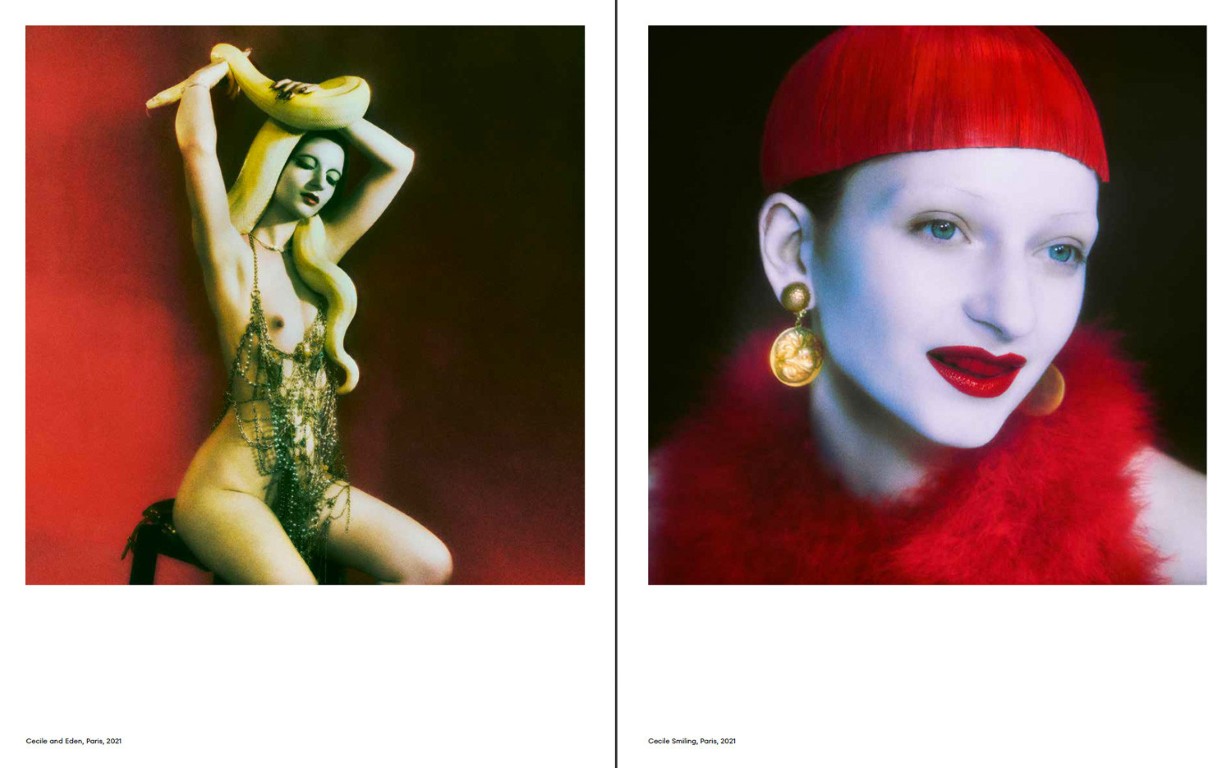
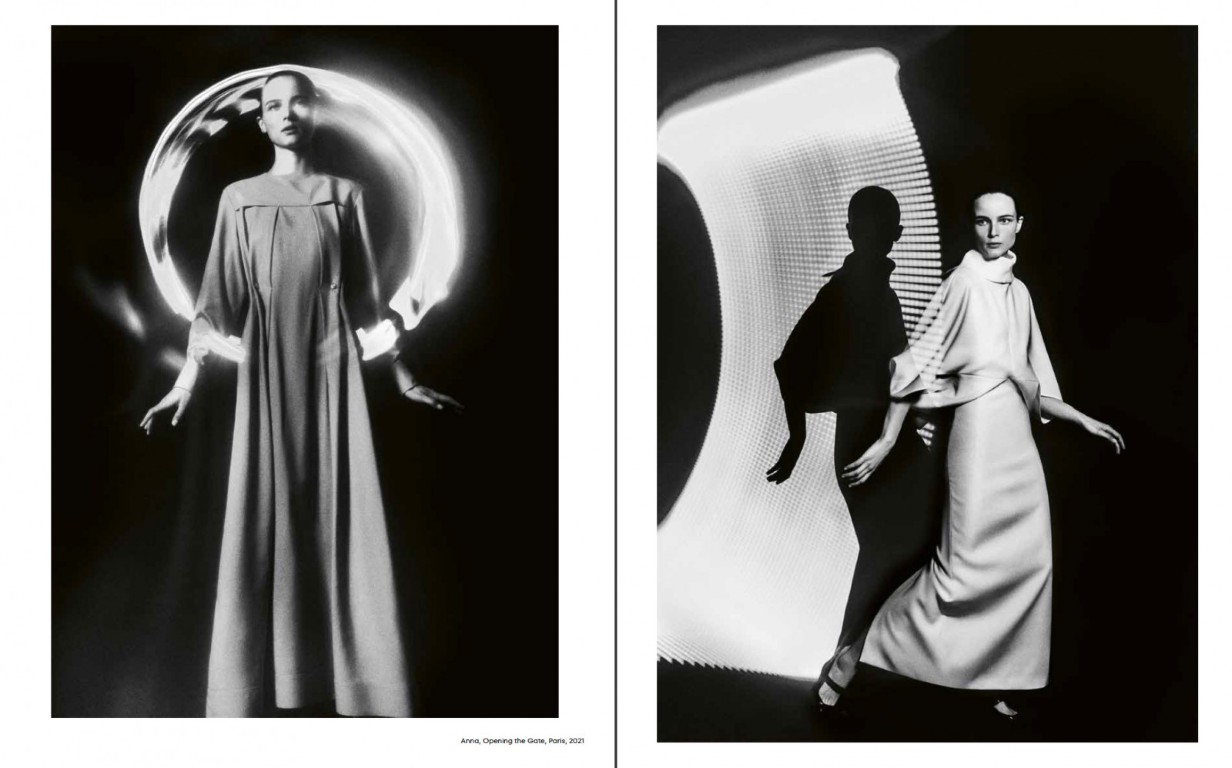
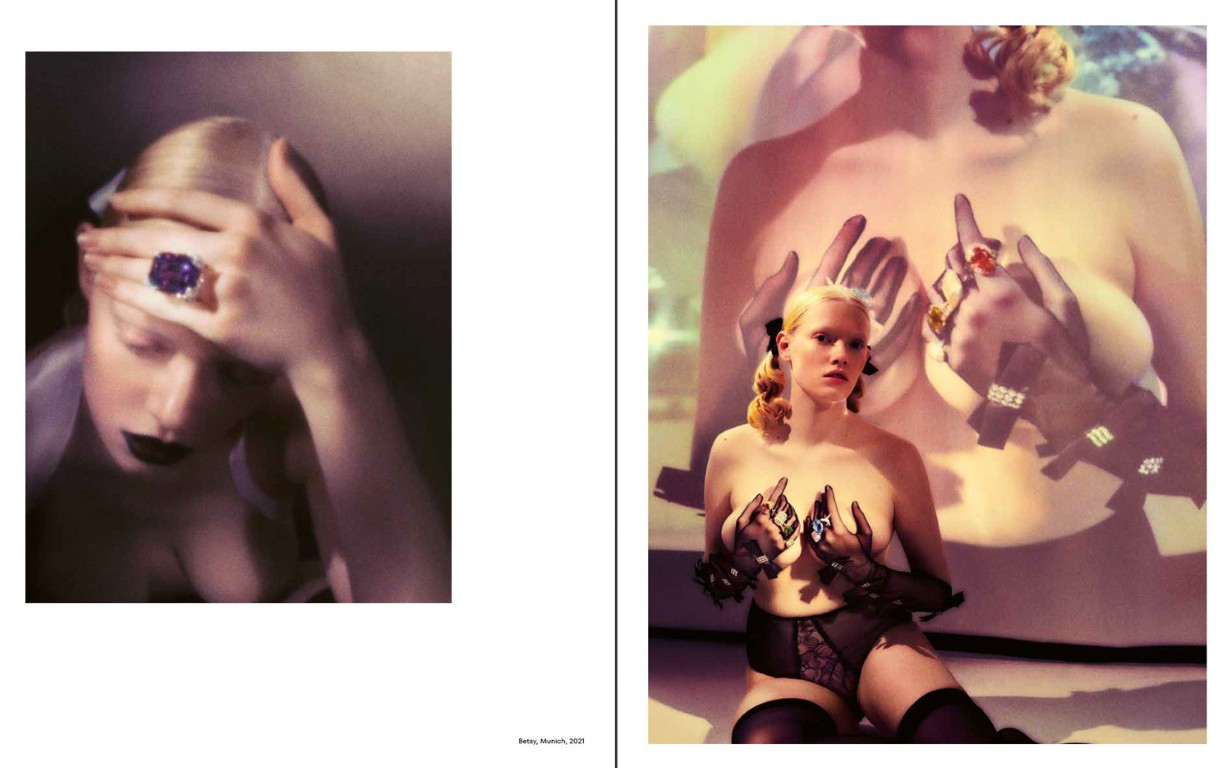
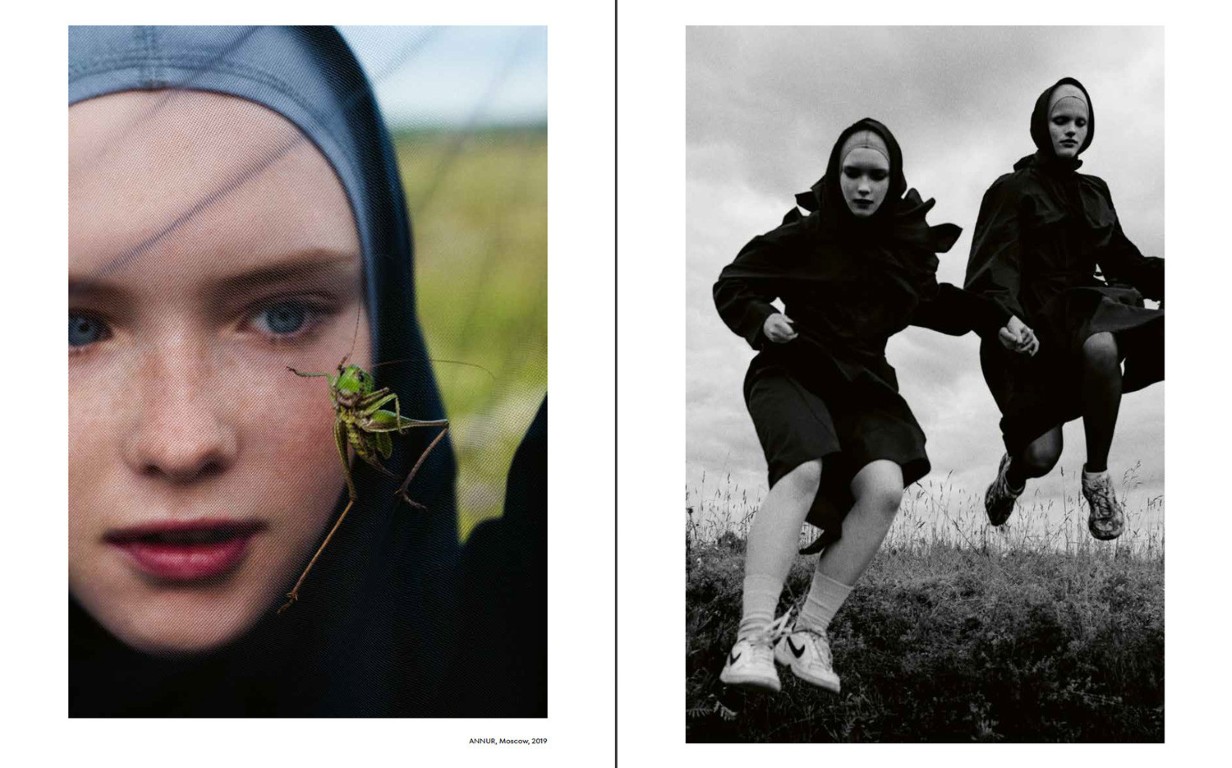
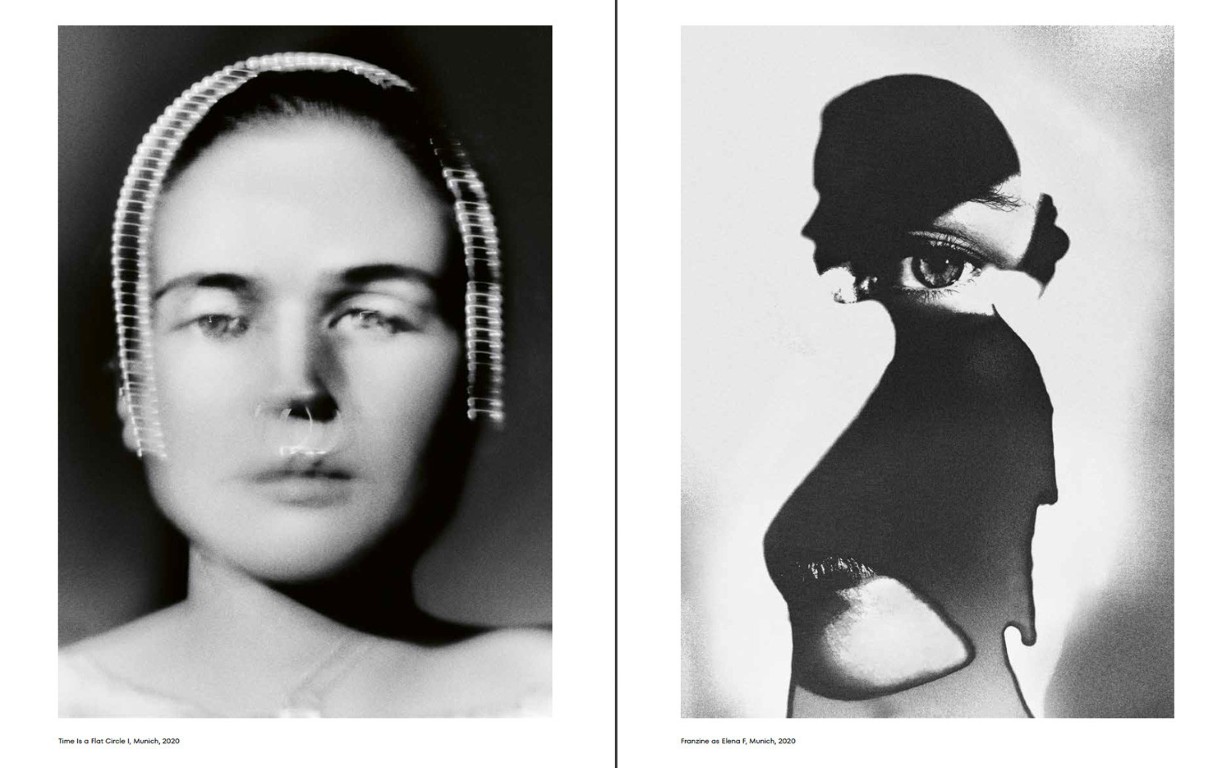
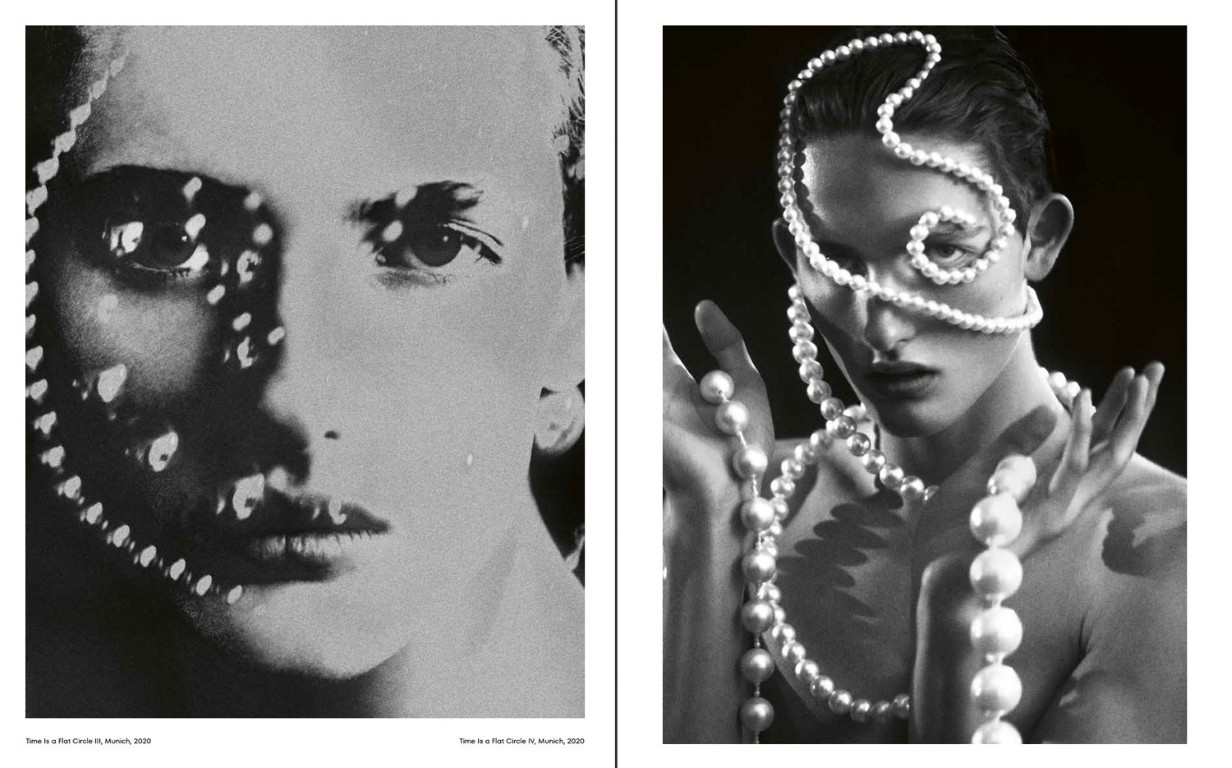
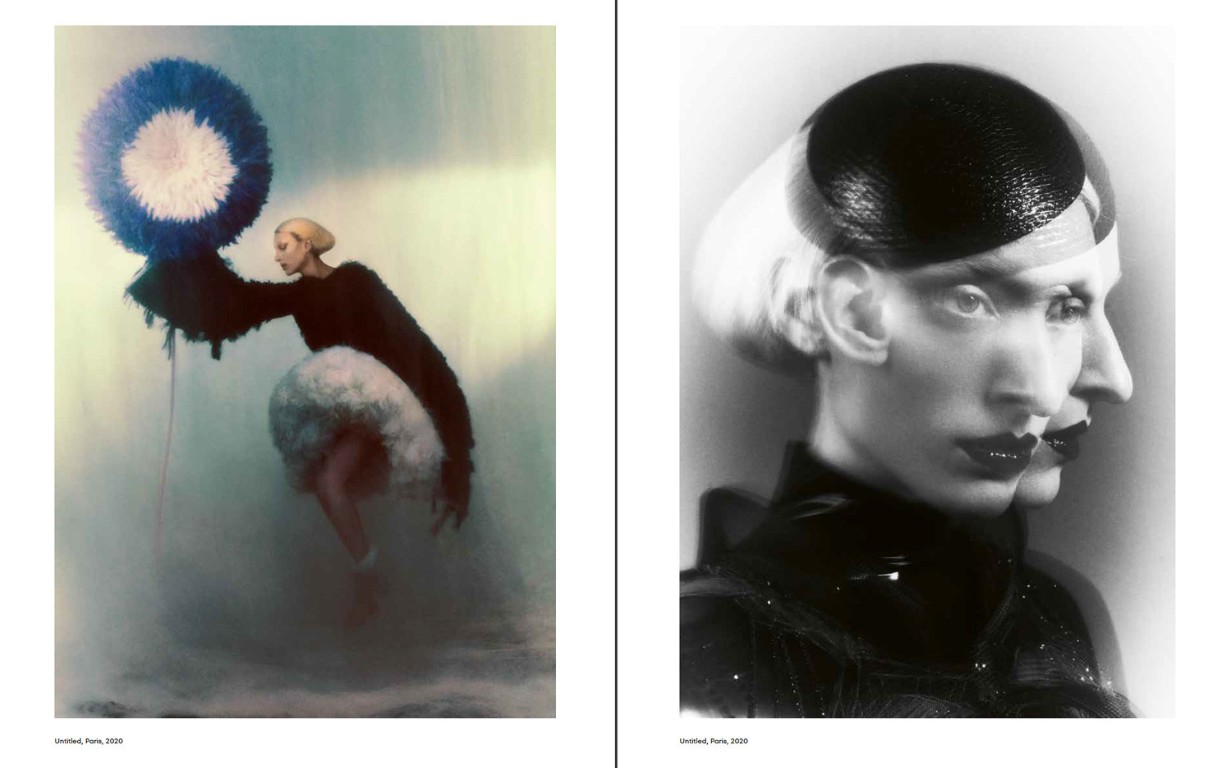
Les premières années de Elizaveta Porodina ont été marquées par l’architecture brutaliste de Moscou et par sa mère, qui initia sa fille à l’art. Enfoui dans son inconscient, l’art est devenu l’extension et l’expression de son « moi », ce qui implique que chacune de ses photographies est, en quelque sorte, un autoportrait. L’art est devenu — et demeure — une part inévitable et indissociable d’elle-même.
Son éducation académique dans la Russie post-soviétique et son intérêt pour les comportements émotionnels l’ont conduite à étudier la psychologie clinique. Ce parcours, ainsi que sa quête d’une meilleure compréhension d’elle-même, de son environnement et des autres, ont nourri son passage à la photographie. Celle-ci est devenue un cadre qui ne la limite pas — la photographie n’est qu’un médium parmi d’autres, permettant de stimuler l’esprit en montrant plutôt qu’en parlant, puisque l’inconscient, lui aussi, n’est pas verbal ; préface de Fabien Baron, photos en couleurs.
Elizaveta Porodina’s early years were impacted by the brutalist buildings in Moscow and her mother who introduced her daughter to art. Stored in her unconscious, art became the extension and expression of « her self, » implying that every single one of her photographs is a self-portrait. Art became—and still is—an inevitable, and inseparable, part of her.
Elizaveta Porodina’s academic upbringing in post-Soviet Russia and her interest in emotional behavior led her to study clinical psychology. This background and her striving towards greater understanding of herself, her environment, and others, informed her move to photography. It became a frame by which she is not limited—photography is just another medium that allows to stimulate the mind by showing, rather than by speaking, since the unconscious is not verbal either ; foreword by Fabien Baron.