
Livre Épuisé.
Exemplaire État Neuf.
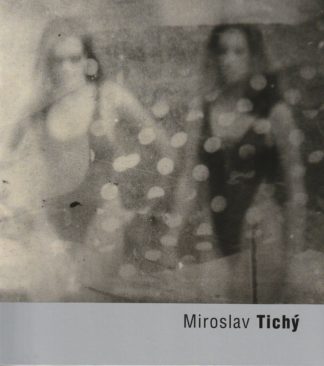
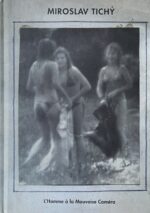
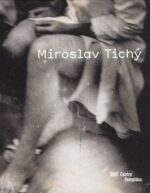
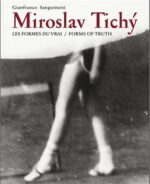
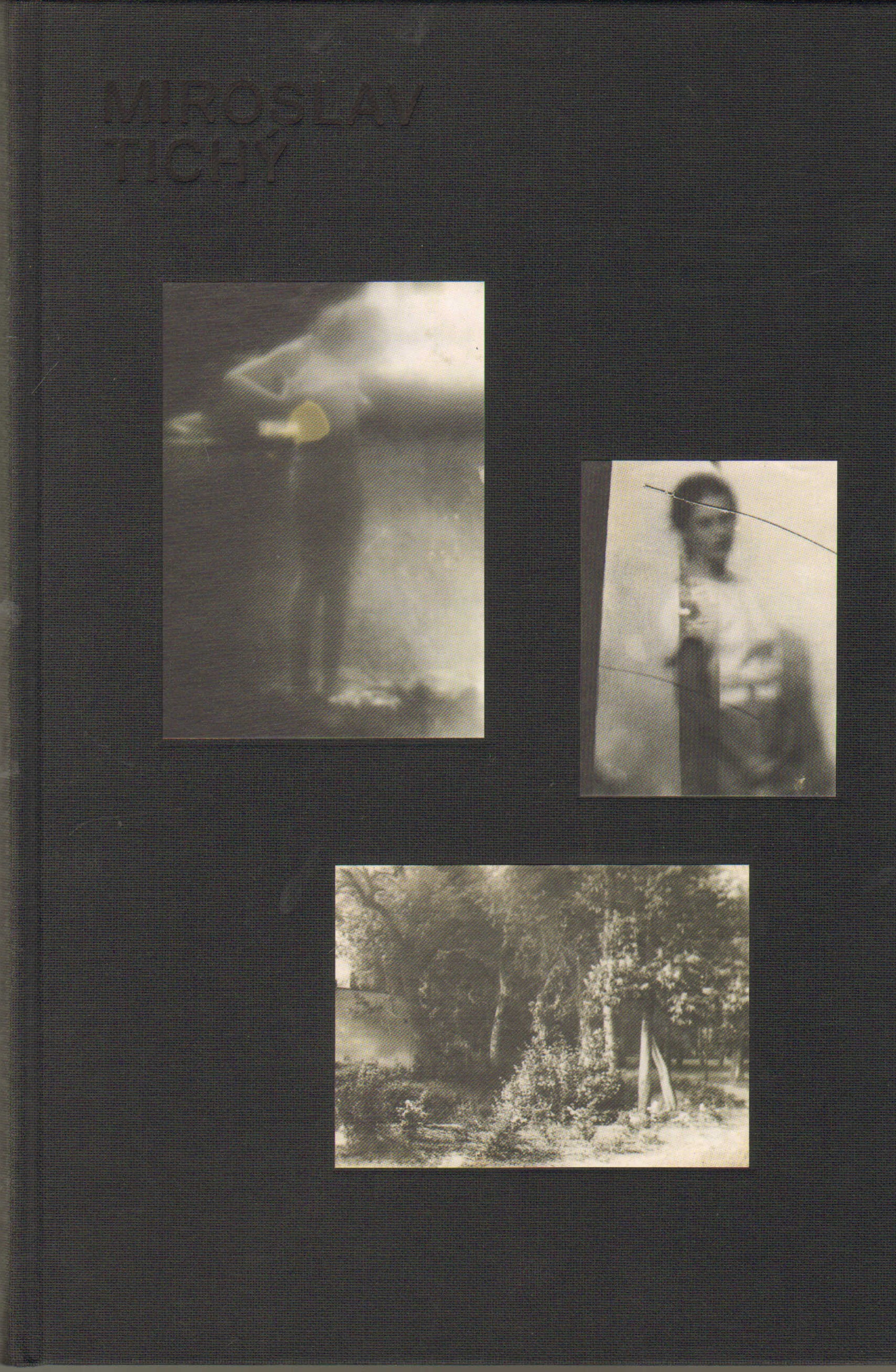
Peu d’histoires dans l’histoire de la photographie sont aussi étonnantes et captivantes que celle du photographe tchèque octogénaire Miroslav Tichý. Avec de grossiers appareils faits maison, fabriqués à partir de carton et de ruban adhésif, Tichý a pris plusieurs milliers de photos des femmes de sa ville natale morave de Kyjov tout au long des années 1960 et 1970. Ces images de femmes vaquant à leurs occupations quotidiennes sont à la fois banales et extraordinaires, transformant des moments ordinaires de travail et de loisirs en petites épiphanies. Floues et décentrées, ses photographies possèdent une étonnante contemporanéité, rappelant les premières peintures de Gerhard Richter ou les photographies de Sigmar Polke. Imprimées de façon imparfaite et volontairement abîmées, elles dégagent un étonnant sentiment rétrograde, voire antimoderniste, qui, dans le contexte de l’atmosphère de la guerre froide en Tchécoslovaquie provinciale, juste avant et après le moment libéral du Printemps de Prague (1968), constituait sans doute une forme de provocation politique oblique, une manière de tourner en dérision le perfectionnisme réaliste progressiste de la culture soviétique officielle.
Le catalogue Miroslav Tichý accompagne une exposition du même nom au Centre International de la Photographie, organisée par le conservateur en chef Brian Wallis. Des analyses critiques de Brian Wallis, Roman Buxbaum, Carolyn Christov-Bakargiev et Richard Prince introduisent plus de 250 planches et illustrations ; textes de Carolyn Christov-Bakargiev, Roman Buxbaum, Richard Prince et Brian Wallis, photos en n.b. et illustrations en couleurs.
Out of Print Book.
Copy as New.
Few stories in the history of photography are as astonishing and as compelling as that of the octogenarian Czech photographer Miroslav Tichý. With crude homemade cameras fashioned out of cardboard and duct tape, Tichý took several thousand pictures of the women of his Moravian hometown of Kyjov throughout the 1960s and ’70s. These pictures of women going about their daily business are at once banal and extraordinary, transforming the ordinary moments of work and leisure into small epiphanies. Blurred and off-kilter, his photographs have a striking contemporaneity, resembling the early paintings of Gerhard Richter or the photographs of Sigmar Polke. Printed imperfectly and deliberately battered, they evince a surprising retrograde or even antimodernist feeling, which, in the context of the Cold War atmosphere of provincial Czechoslovakia, just before and after the liberalizing moment of the Prague Spring (1968), undoubtedly constituted a kind of oblique political provocation, a nose-thumbing response to the progressive realist perfectionism of official Soviet culture.
The catalogue Miroslav Tichý accompanies an exhibition of the same title at the International Center of Photography organized by Chief Curator Brian Wallis. Critical evaluations by Brian Wallis, Roman Buxbaum, Carolyn Christov-Bakargiev, and Richard Prince introduce more than 250 plates and illustrations.