


« Le Nô est une forme de théâtre dans laquelle l’âme exprime la fierté et la façon dont une personne a vécu et est morte. Il est interprété avec de la musique, du chant et de la danse pour créer un sentiment de réalisme. Il dépeint à la fois la gloire et la solitude de la vie, ainsi que le salut des dieux et des bouddhas. — Hirotada Kasannoin, prêtre en chef de Kasuga Taisha
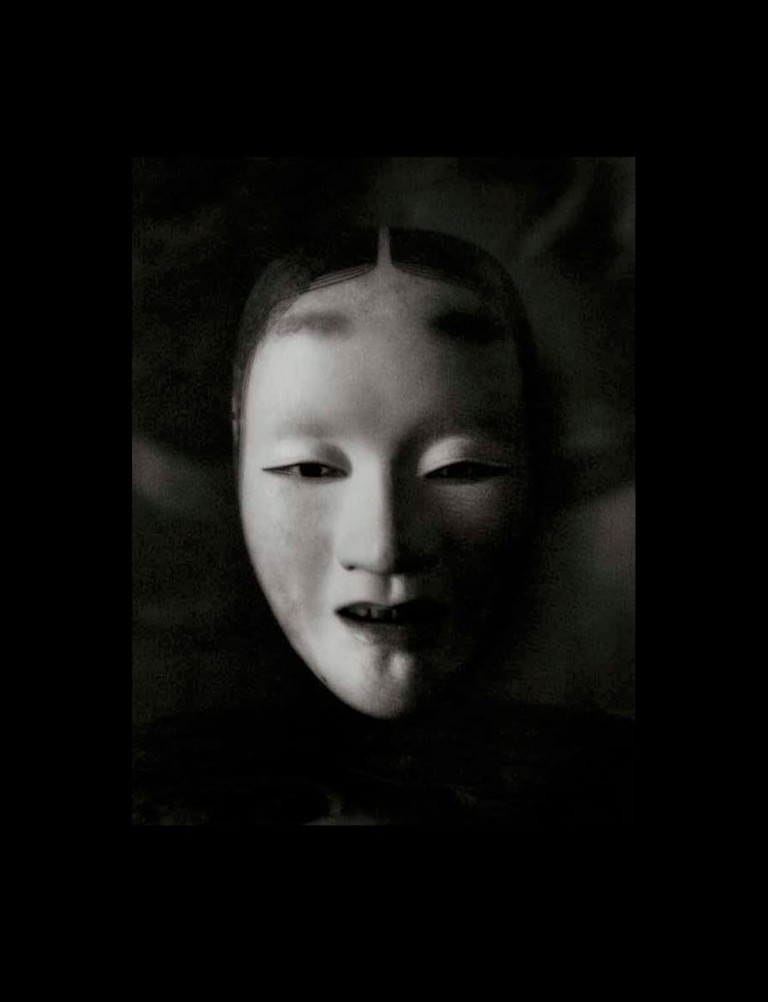
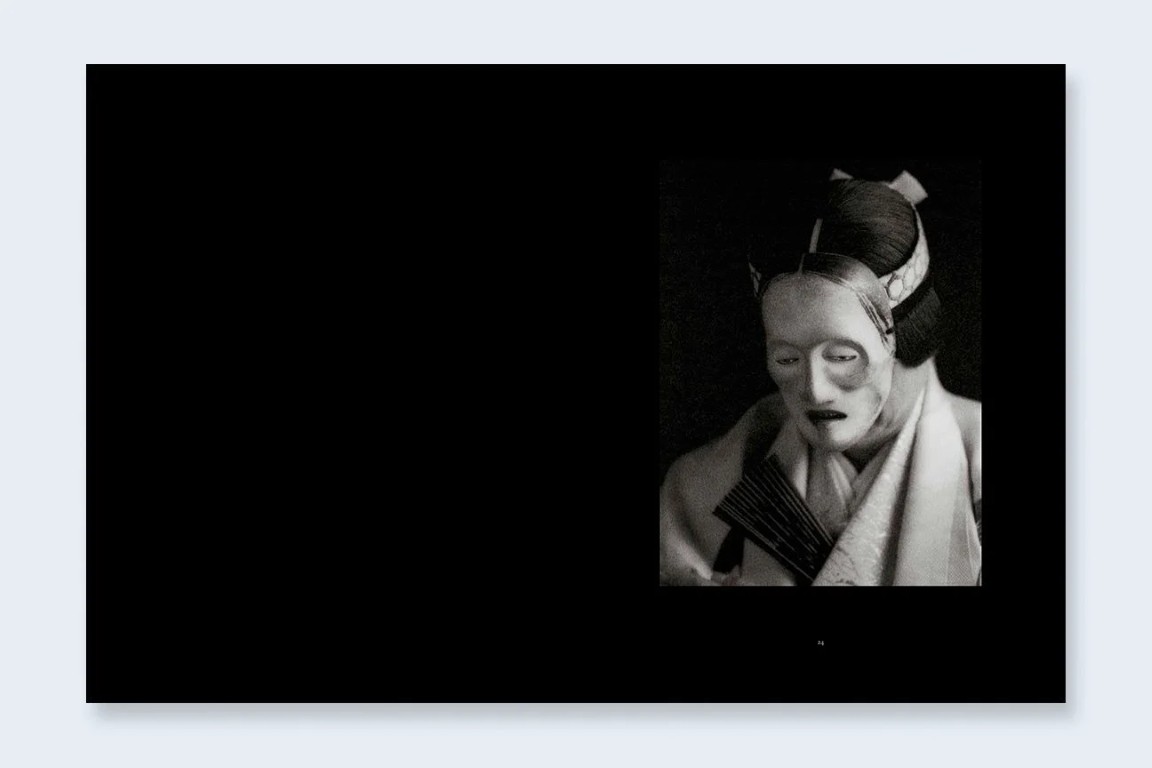
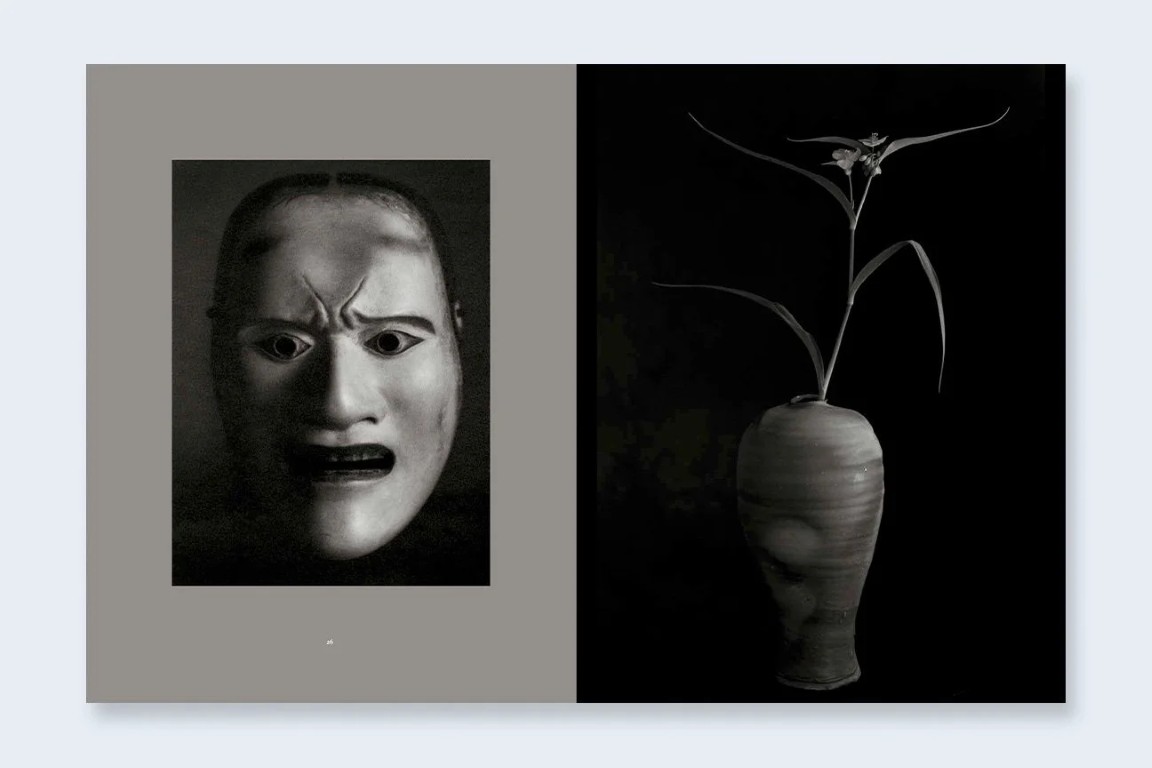
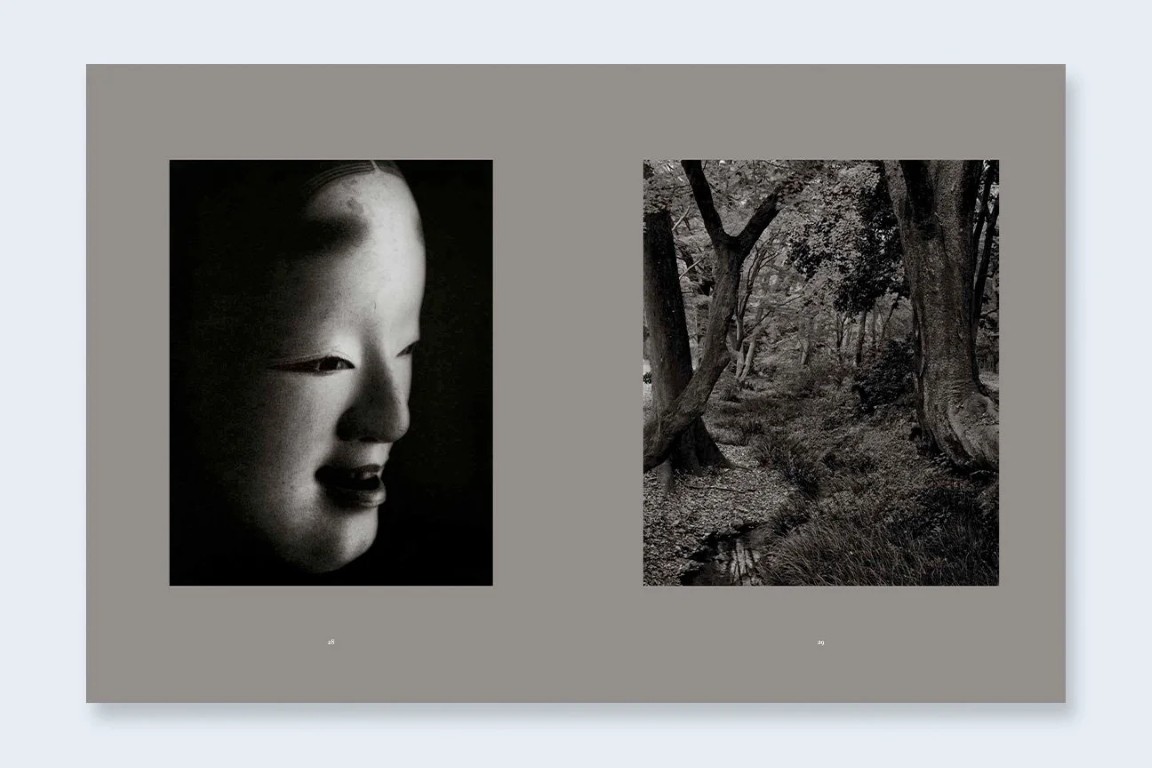
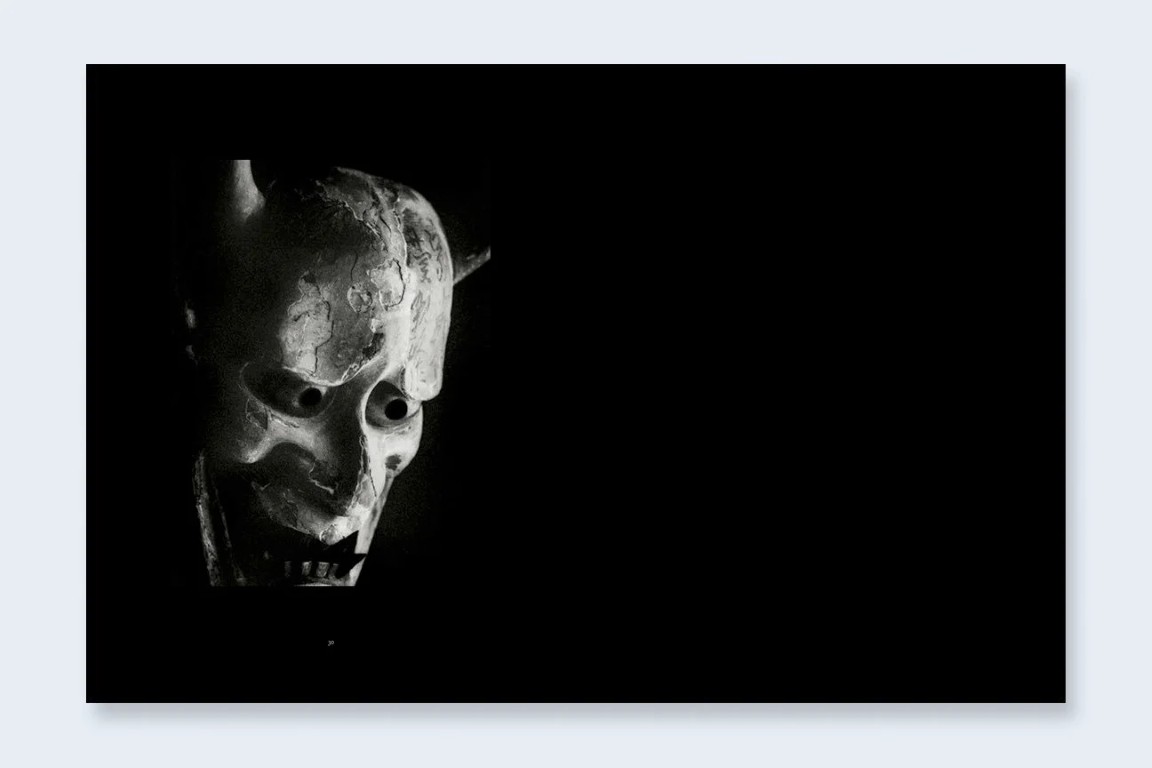
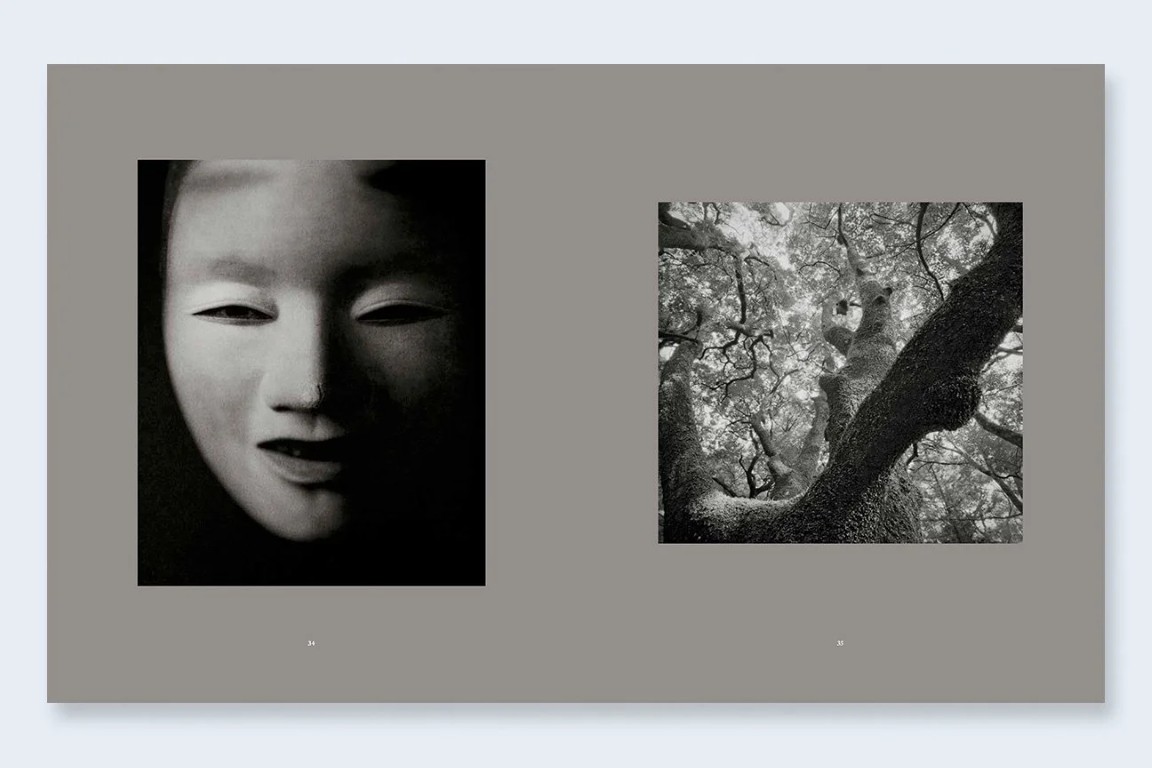
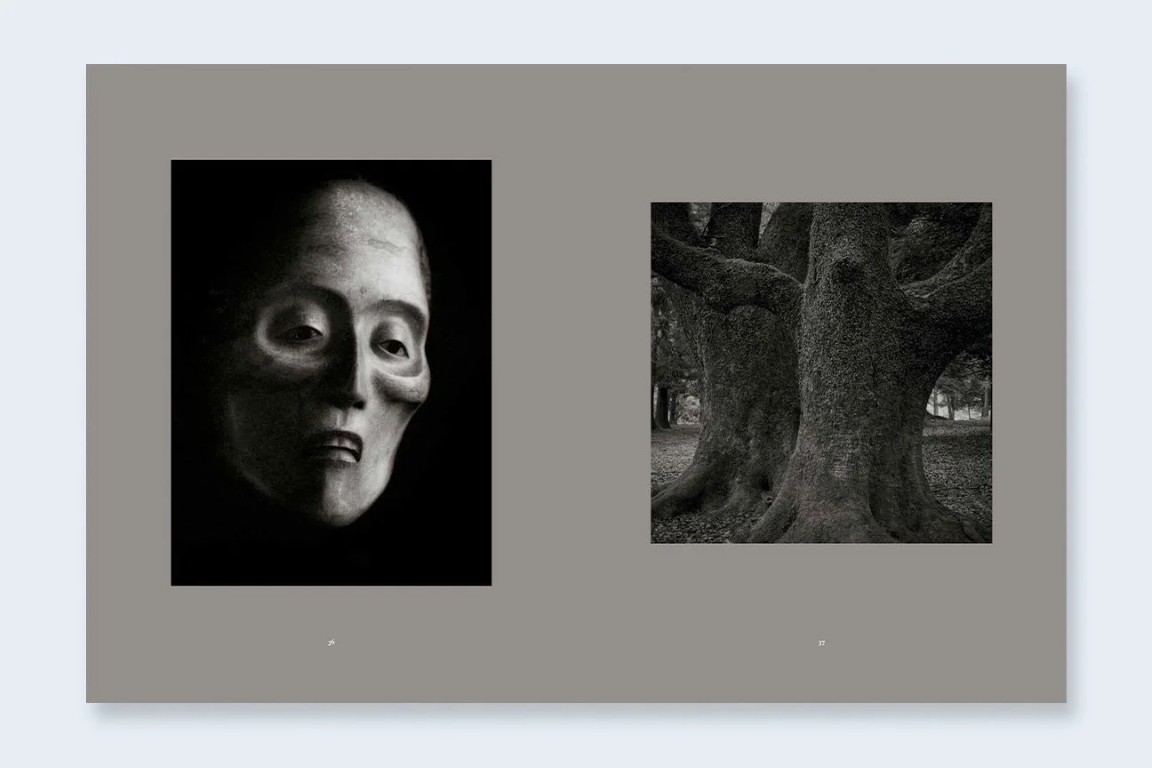
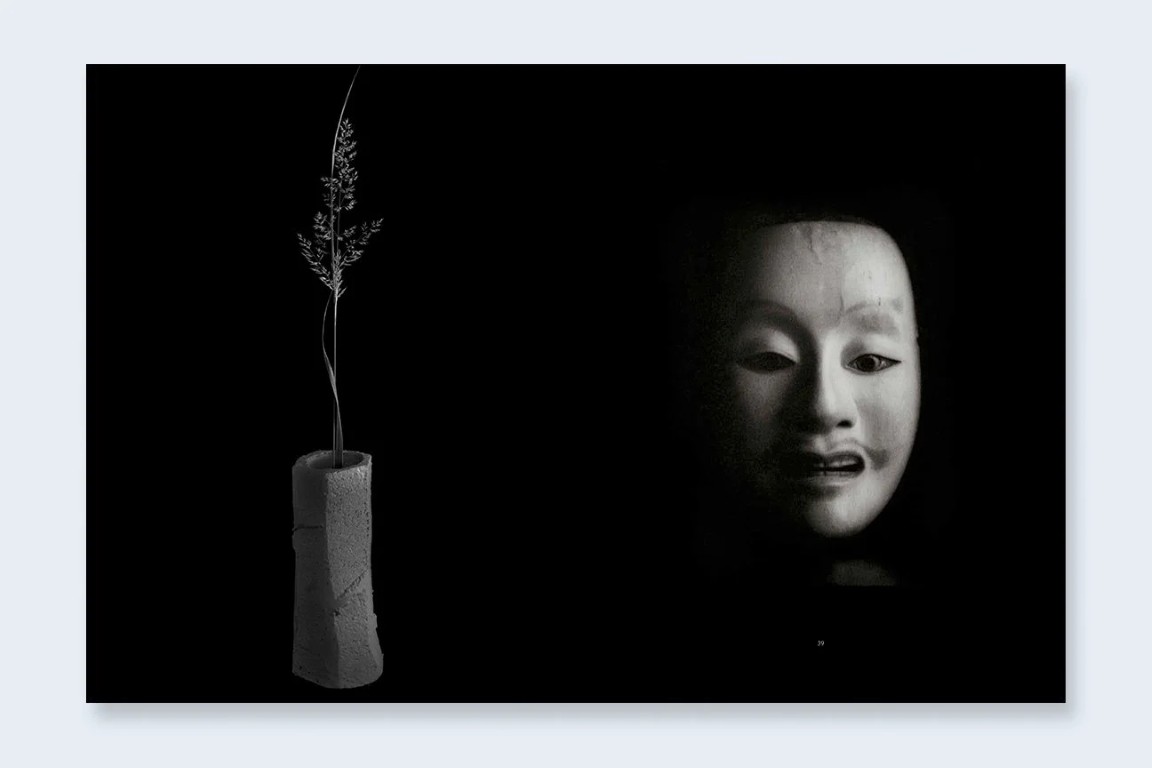
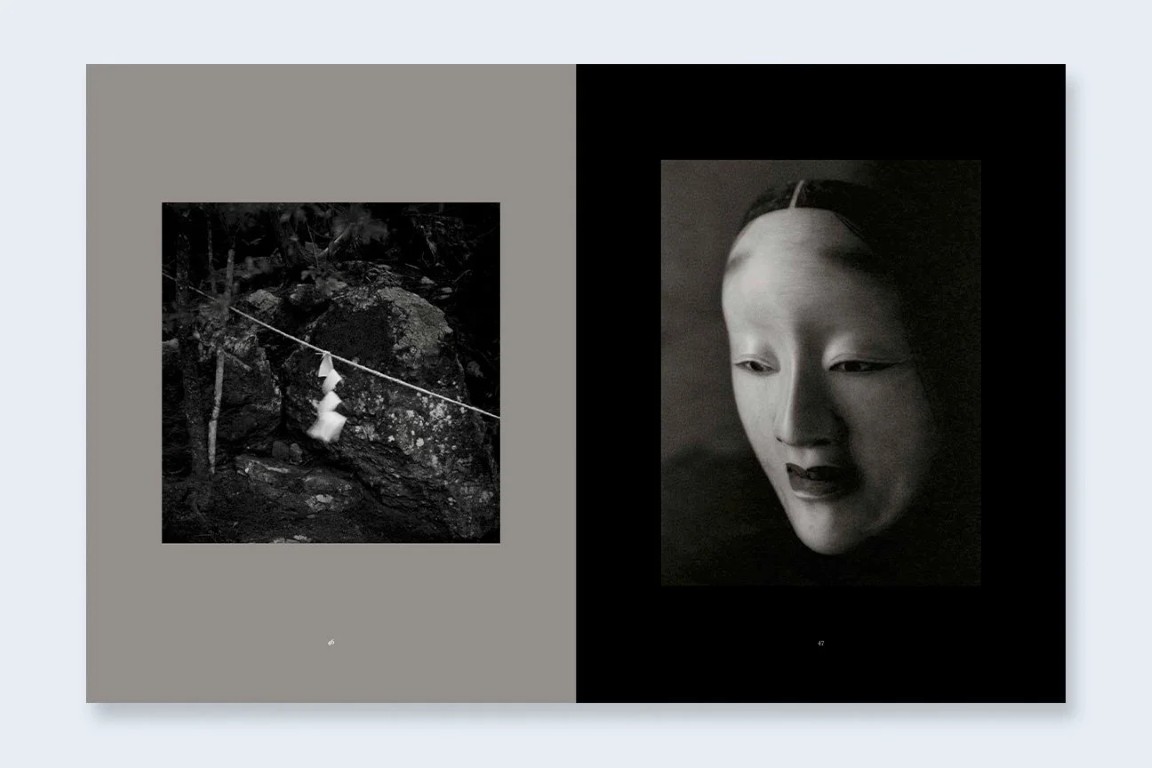
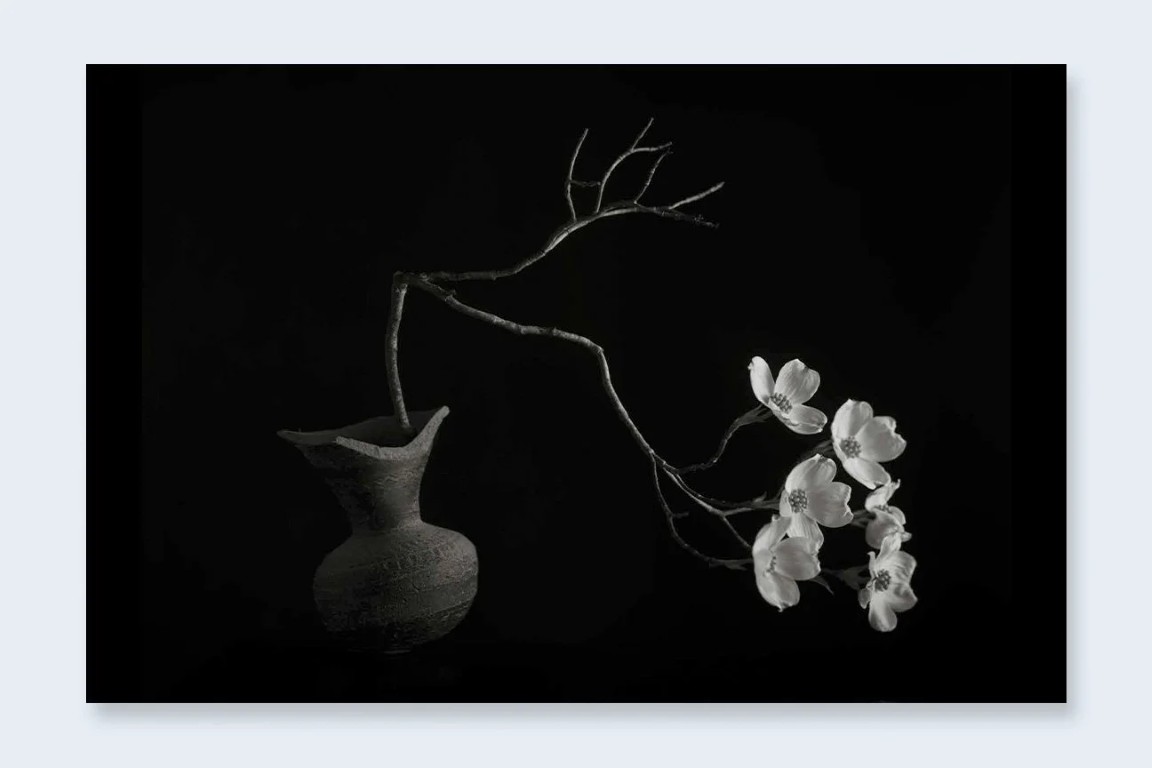
Dans Mono No Aware : The Beauty of Impermanence, Izu explore trois sujets : les masques Noh du 14ème siècle du Musée Nohgaku à Kanazawa, au Japon ; les pierres et « arbres géants d’une classe sacrée » qui entourent les vestiges d’anciens sanctuaires construits lors des étapes Noh ; et les fleurs sauvages et herbes brièvement en floraison trouvées près de chez lui.
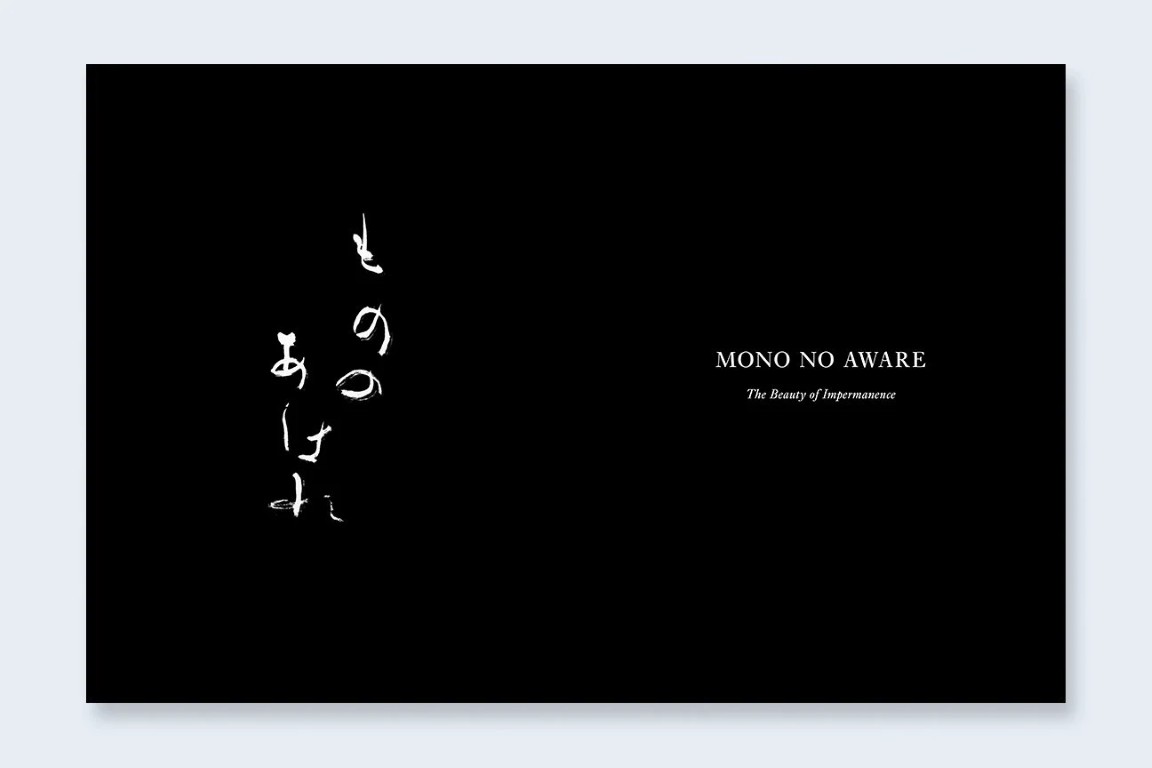
La phrase « Mono No Aware » se traduit par « le pathos des choses » et reflète un concept japonais reconnaissant l’impermanence de la vie et exprimant une appréciation de la beauté fugace des objets éphémères. Dans une centaine d’images, Izu examine ce concept en trois thèmes : Yugen (profondeur), Sabi (beauté avec le vieillissement) et Wabi (beauté austère), chacun parlant de « la beauté de l’impermanence » que l’on trouve chez ses sujets.
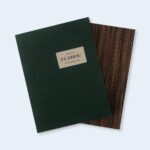
Mono No Aware est imprimé en duotone sur du papier d’art naturel mat et relié en lin sur des panneaux, présenté en 2 volumes logés dans un coffret personnalisé. Il comprend des essais de Kenro Izu, Kaoru Nakanish (directeur du musée Sasayama Nohgaku) et Hirotada Kasannoin (prêtre en chef de Kasuga Taisha).
“Noh is a form of theatre in which the soul expresses pride and the way a person lived and died. It is performed with music, singing and dancing to create a sense of realism. It depicts both the glory and loneliness of life, and the salvation of the gods and Buddhas.” — Hirotada Kasannoin, Chief Priest of Kasuga Taisha
In Mono No Aware: The Beauty of Impermanence, Izu explores three subjects: 14th-century Noh masks from the Nohgaku Museum in Kanazawa, Japan; the stones and “giant trees of a sacred class” that surround the remains of ancient shrines that were built as Noh stages; and the briefly blooming wildflowers and grasses found near his home.
The phrase “Mono No Aware” translates to “the pathos of things” and reflects a Japanese concept recognizing the impermanence of life and expressing an appreciation of the fleeting beauty of ephemeral objects. In some 100 images, Izu examines this concept in three themes: Yugen (profundity), Sabi (beauty with aging), and Wabi (austere beauty), each speaking to “the beauty of impermanence” found in his subjects.
Mono No Aware is printed in duotone on natural matte art paper and bound in linen over boards, presented in 2 volumes housed in a custom slipcase. It includes essays by Kenro Izu, Kaoru Nakanish (Director of the Sasayama Nohgaku Museum), and Hirotada Kasannoin (Chief Priest of Kasuga Taisha).