Le marché du livre d’occasion ; photos en couleurs.

| Poids | 1350 g |
|---|---|
| Dimensions | 23 × 27 cm |
| Spécifité | |
| EAN | 9783865212733 |
| Photographe | |
| Ville | |
| Editeur | |
| Date d'édition | |
| ISBN | 9783865212733 |
| Langue(s) | anglais |
| Nombre de pages | 174 |
| Reliure | Relié |
Plus de livre de cet éditeur
-

Robert Adams : Cottonwoods ; photographs, and a conversation about picture-making in the American West
Publiée à l’origine par Smithsonian en 1994 dans le cadre de la série « Photographes au travail », cette nouvelle édition de Cottonwoods a été étendue et élargie.
Originally published by the Smithsonian in 1994 as a part of the series “Photographers at Work,” this new edition of Cottonwoods has been expanded and enlarged.
-

Evelyn Hofer : Dublin
Le point de départ de ce livre est Dublin : A Portrait d’Evelyn Hofer, qui présente un essai approfondi de V. S. Pritchett et des photos de Evelyn Hofer, et a connu une grande popularité lors de sa publication originale en 1967.
The starting point for this book is Evelyn Hofer’s Dublin: A Portrait, which features an in-depth essay by V. S. Pritchett and photos by Hofer, and enjoyed great popularity upon its original publication in 1967.
-

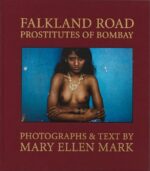
Mary Ellen Mark : Falkland road ; Prostitutes of Bombay
85,00€Falkland Road a été initialement publié en 1981 et avec des photos supplémentaires dans une édition par Steidl en 2005 ; le livre a longtemps été reconnu comme l’un de ses principaux travaux. Y compris l’introduction et les légendes originales de Mary Ellen Mark ainsi que les nouvelles photos du livre de 2005.
Cette nouvelle édition – avec une séquence révisée et imprimée à partir de scans des Kodachromes originaux de 35 mm – est l’expression la plus fidèle de sa vision de ce monde brut, accessible par l’intensité de son engagement et de sa compassion.
Falkland Road was initially published in 1981 and with additional photos in a 2005 Steidl edition; the book has long been recognized as one of her major bodies of work. Including Mark’s original introduction and captions as well the new photos of the 2005 book.
This latest edition—with a revised sequence, and printed from scans of the original 35mm Kodachromes—is the truest expression of her insight into this raw world, made accessible by the intensity of her involvement and compassion.
-

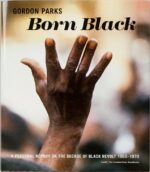
Gordon Parks : Born Black ; A Personal Report on the Decade of Black Revolt, 1960-1970
Publié à l’origine en 1971, Born Black de Gordon Parks est le premier livre à unir son écriture et sa photographie.
Originally published in 1971, Gordon Parks’ Born Black was the first book to unite his writing and his photography.
-

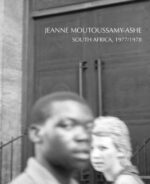
Jeanne Moutoussamy-Ashe : South Africa, 1977/1978
45,00€Cette publication, lauréate du prix du livre Gordon Parks Foundation/Steidl 2024, présente plus de 100 photographies de Moutoussamy-Ashe, dont beaucoup n’ont jamais été publiées auparavant.
This publication, winner of the 2024 Gordon Parks Foundation/Steidl Book Prize, features more than 100 of Moutoussamy-Ashe’s photographs, many never published before.
Superbes photographies documentant les gens, les lieux et les mouvements activistes de l’ère de l’apartheid en Afrique du Sud La compréhension de la race et de la classe par la photographe américaine Jeanne Moutoussamy-Ashe a été façonnée par les pratiques discriminatoires systémiques de Chicago; comme elle le reflétait plus tard, « à sa manière, une forme d’apartheid. » Après avoir rencontré les photographies d’Ernest Cole et sa formation auprès de mentors tels que Gordon Parks et Garry Winogrand au début des années 1970, Moutoussamy-Ashe (née en 1951) se rend en Afrique du Sud au plus fort de l’apartheid, armée de son appareil photo. En mars 1977, elle y accompagne son mari Arthur Ashe dans le cadre d’une équipe de tournage d’un documentaire télévisé sur les sports et l’apartheid. Revenant seule l’année suivante, elle a visité le Cap, Durban, Johannesburg et KwaZulu-Natal, ainsi que les cantons d’Alexandra, de Kliptown, de Lenasia et de Soweto, en découvrant le pays et ses habitants à travers son objectif, avoir un accès privilégié à divers événements et documenter des rencontres avec des personnalités influentes. En noir et blanc et en couleurs vives, les images de Moutoussamy-Ashe offrent un point de vue distinct d’un photographe afro-américain sur une période turbulente dans l’histoire sud-africaine.
Superb photographs documenting the people, places and activist movements in apartheid-era South Africa American photographer Jeanne Moutoussamy-Ashe’s understanding of race and class was shaped by Chicago’s systemic discriminatory practices; as she later reflected, the city had, « in its own way, a form of apartheid. » After encountering Ernest Cole’s photographs and training with mentors such as Gordon Parks and Garry Winogrand in the early 1970s, Moutoussamy-Ashe (born 1951) traveled to South Africa at the height of apartheid, armed with her camera. In March 1977 she accompanied her husband Arthur Ashe there, as part of a team filming a TV documentary on sports and apartheid. Returning alone the next year, she visited Cape Town, Durban, Johannesburg and KwaZulu-Natal, and the townships of Alexandra, Kliptown, Lenasia and Soweto, getting to know the country and its people through her lens, gaining special access to various events and documenting encounters with influential figures. In stark black-and-white and vivid color, Moutoussamy-Ashe’s images offer a distinct perspective from an African American photographer on a turbulent period in South African history.