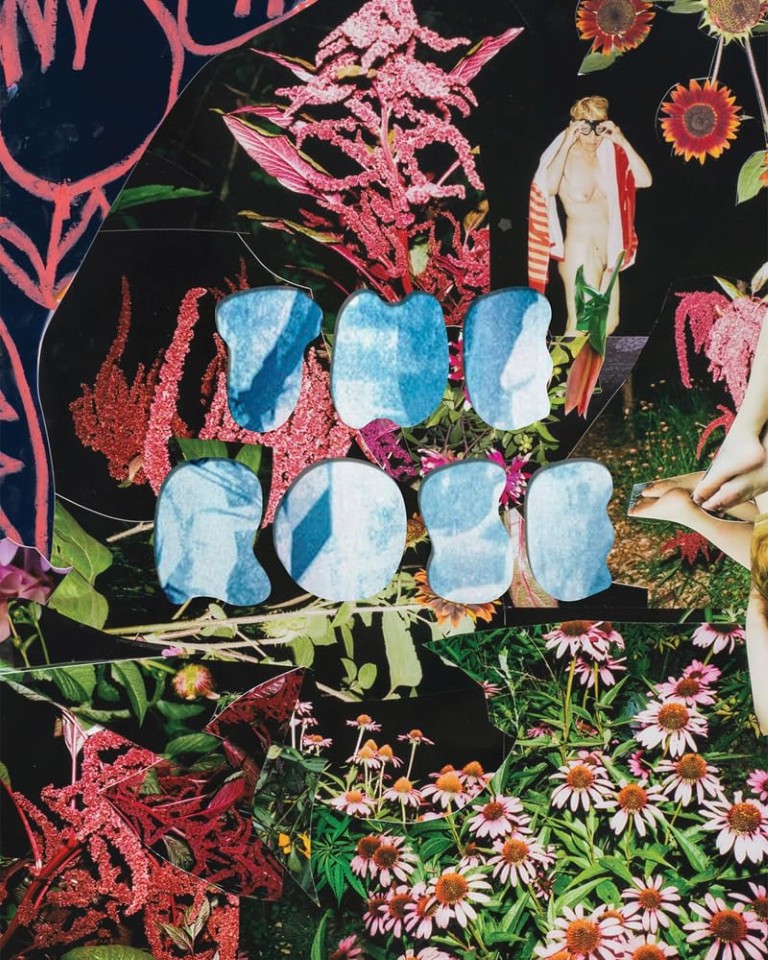
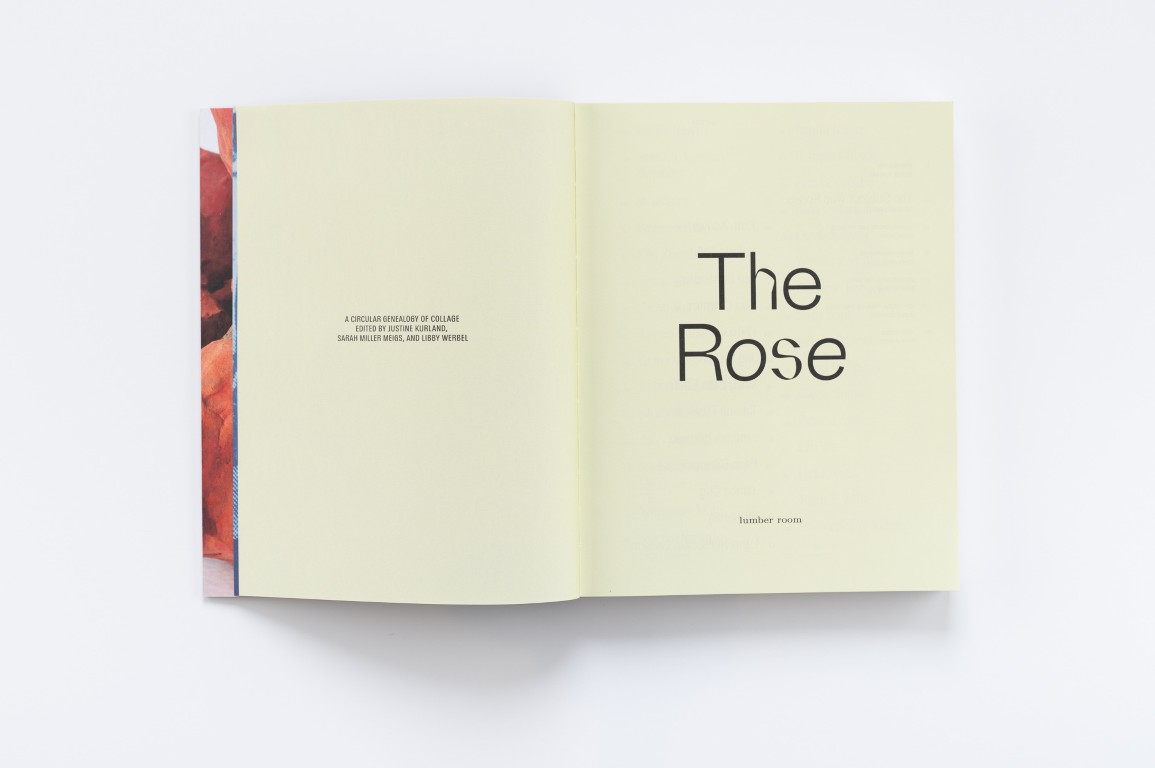
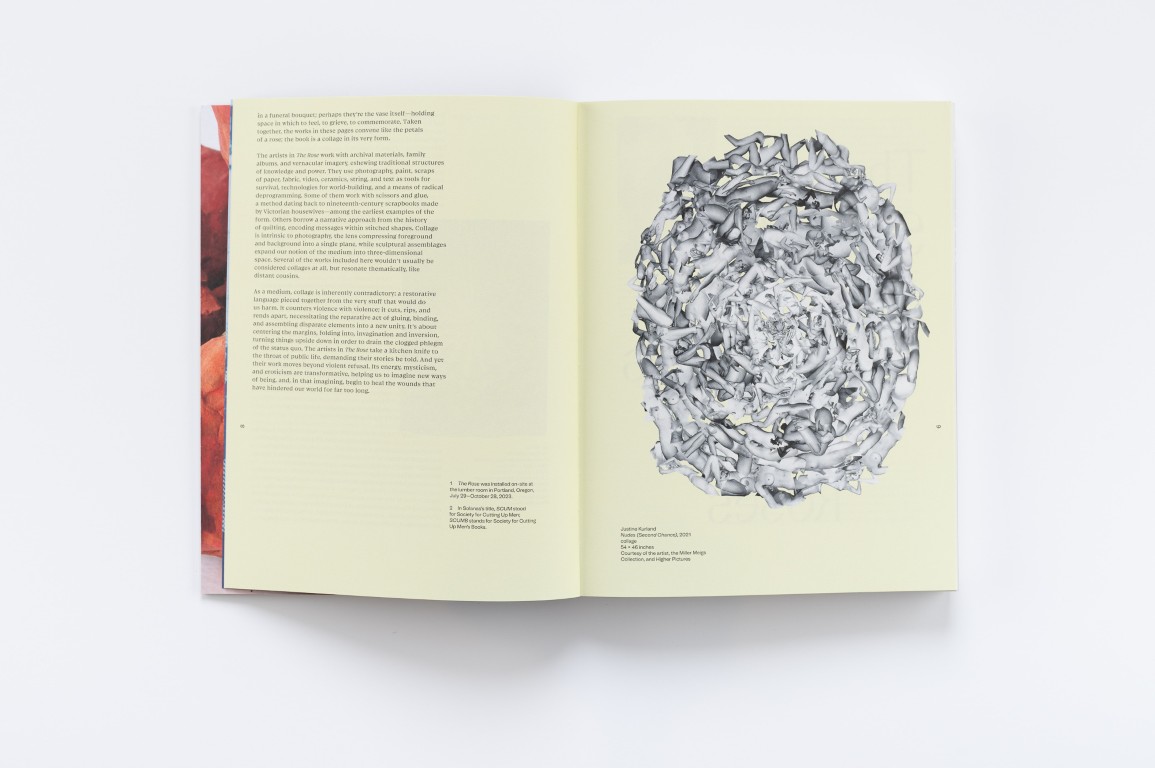
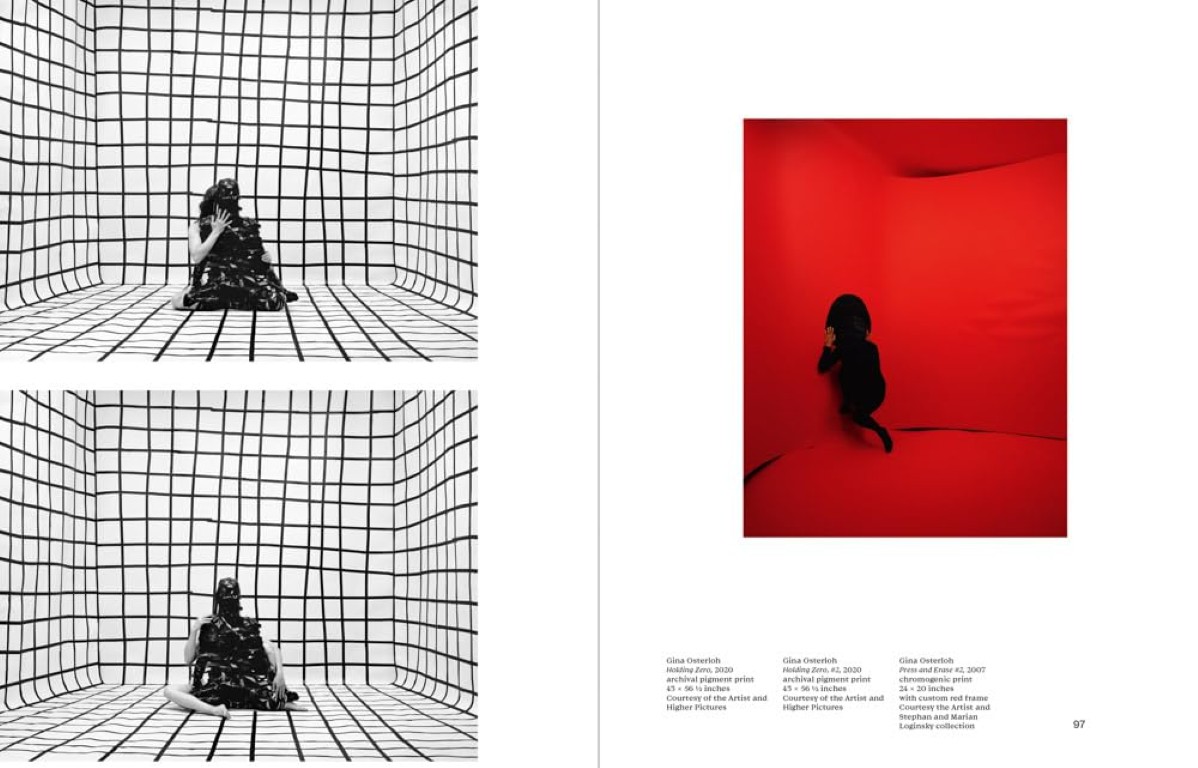
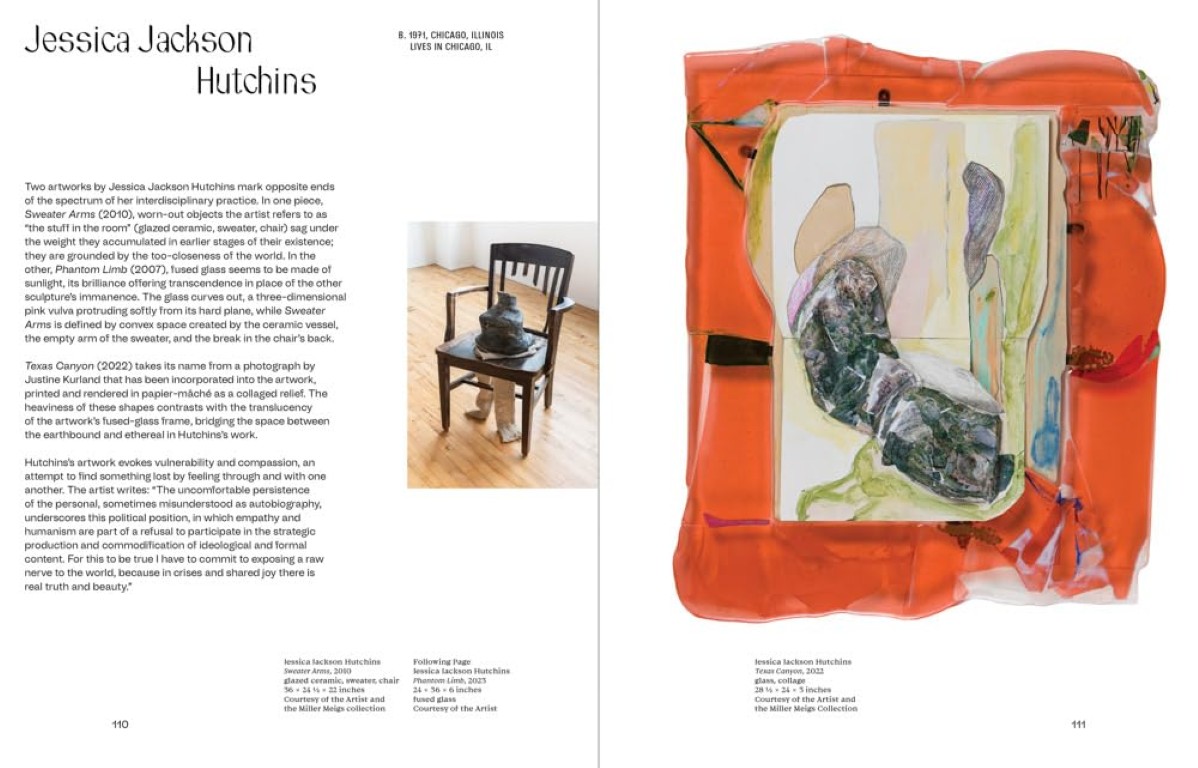
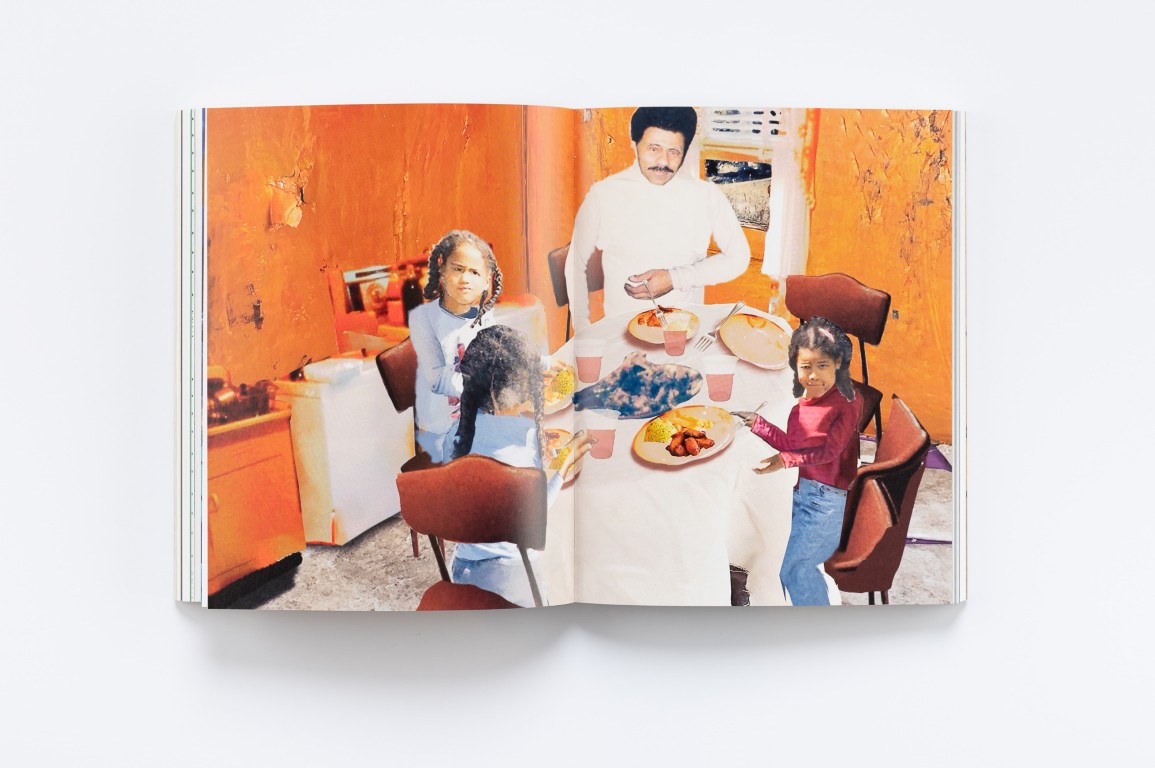
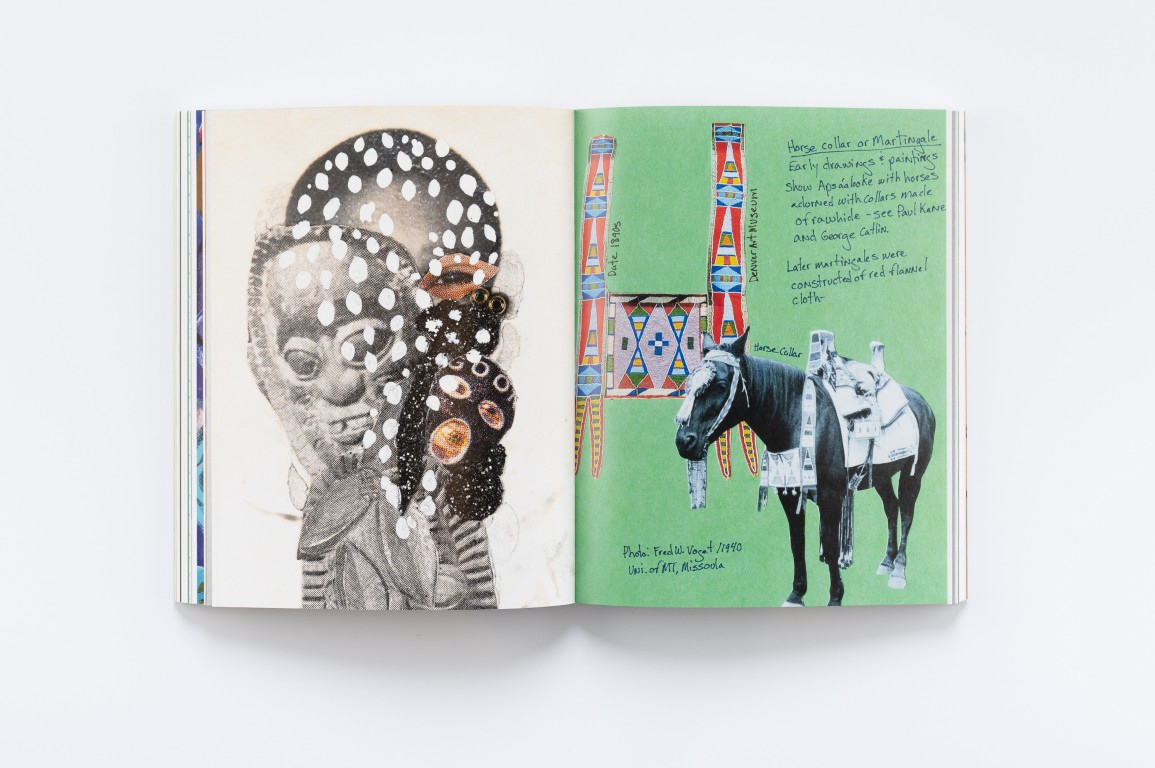
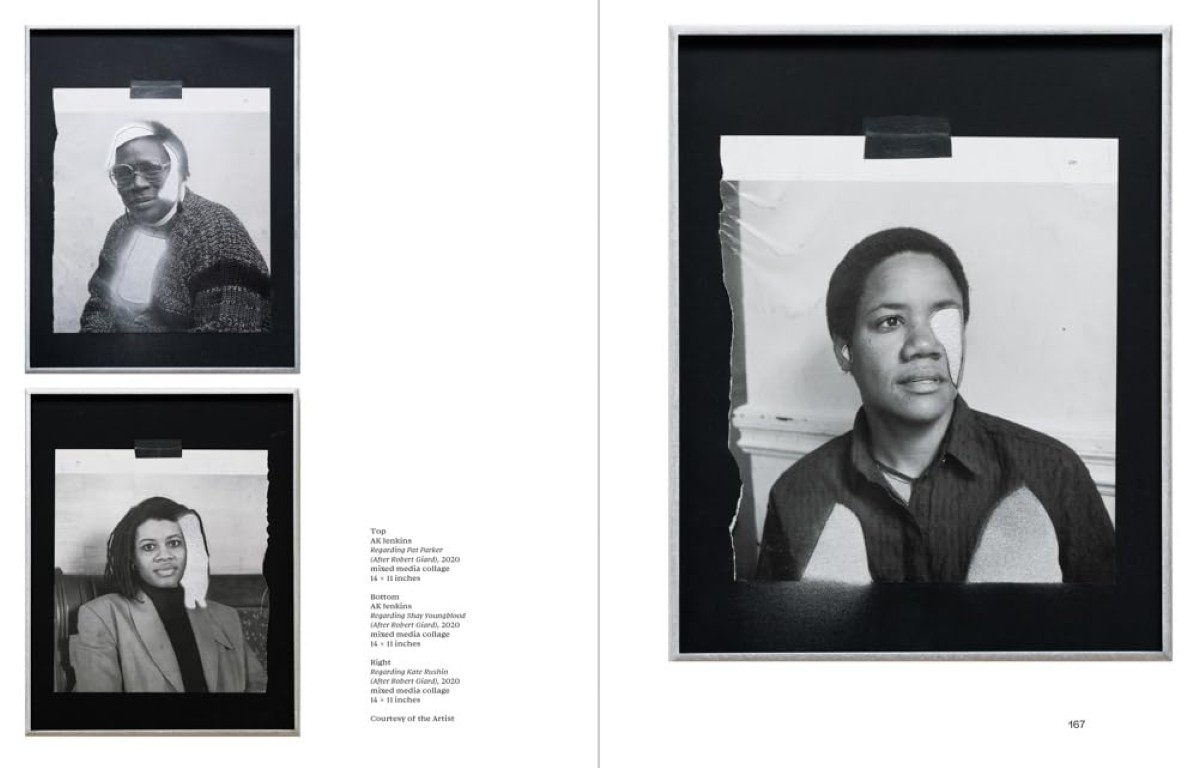
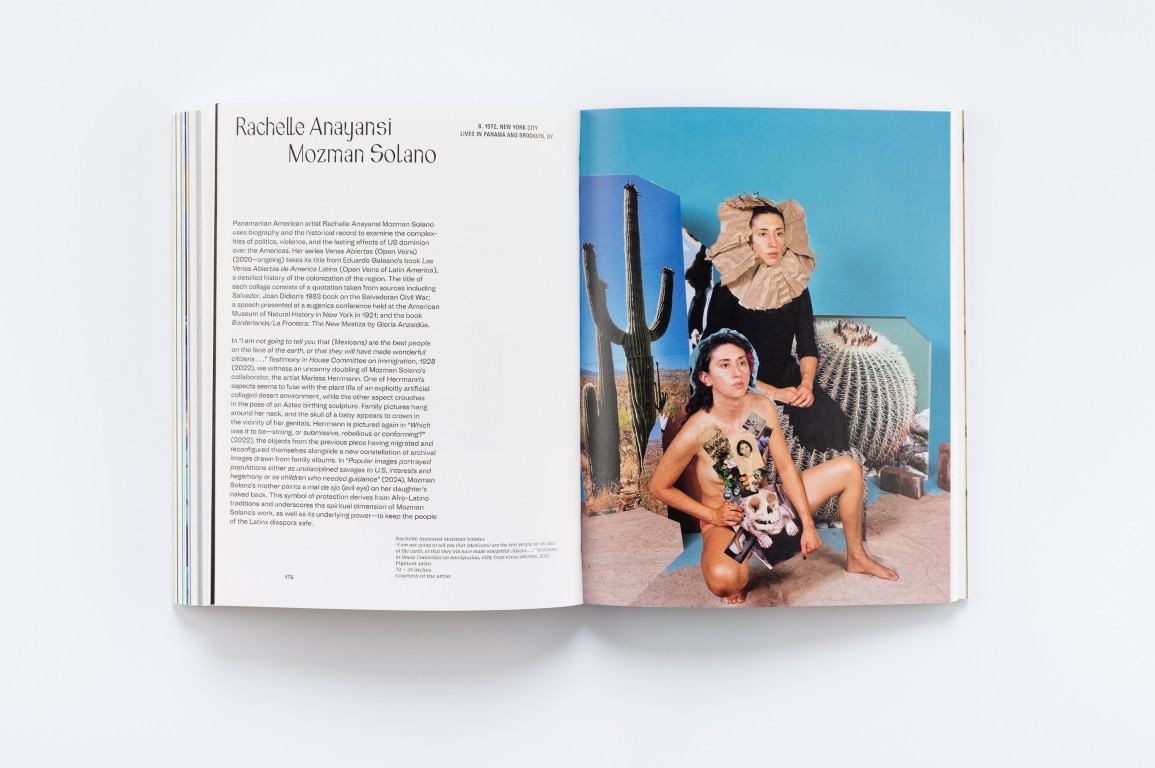
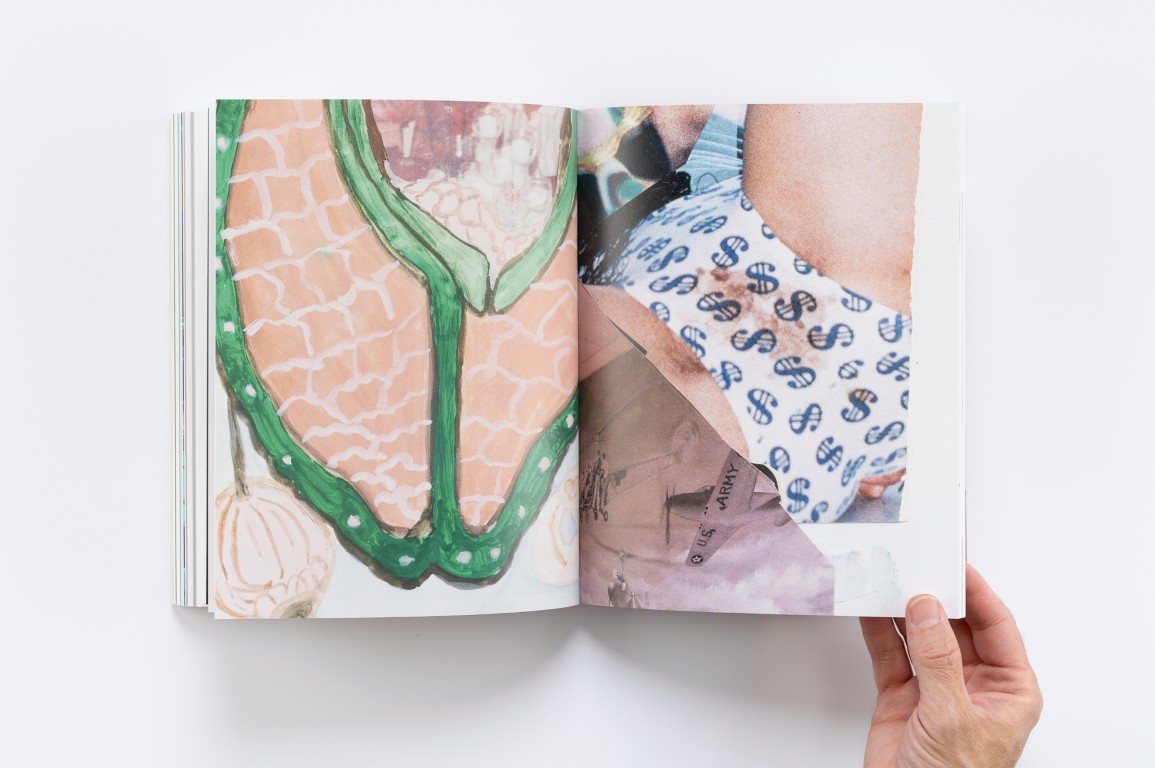
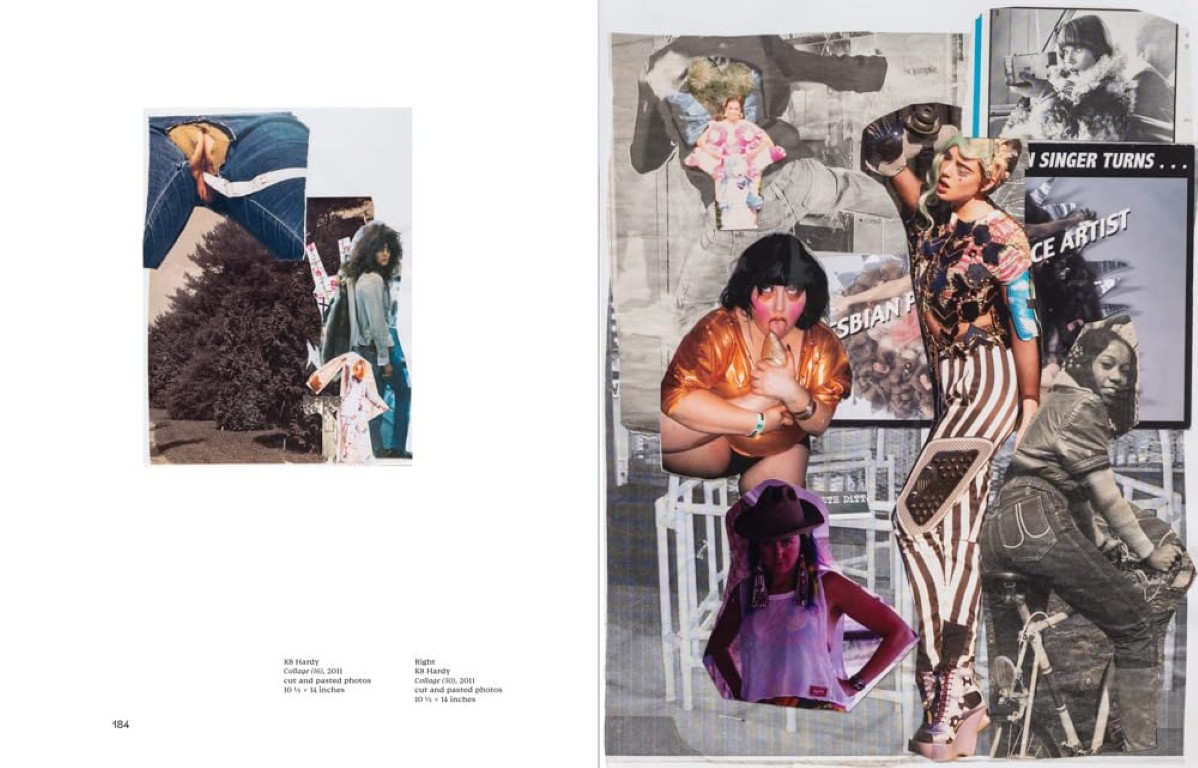
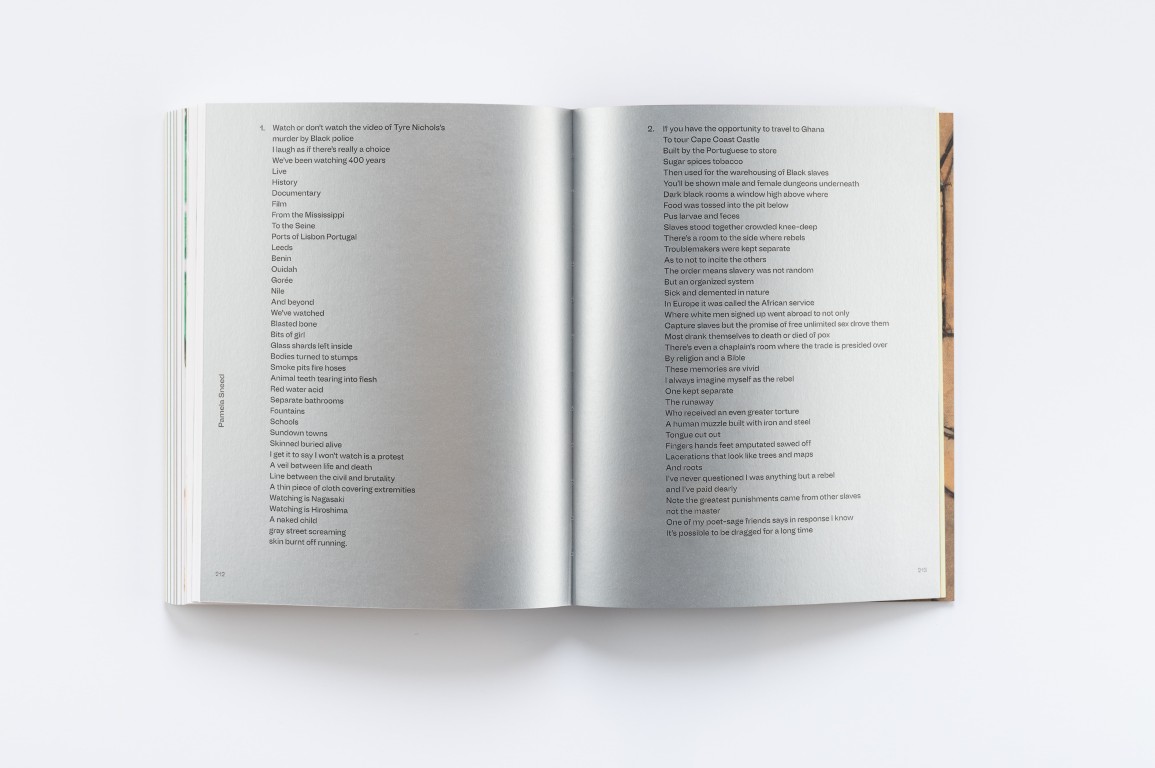
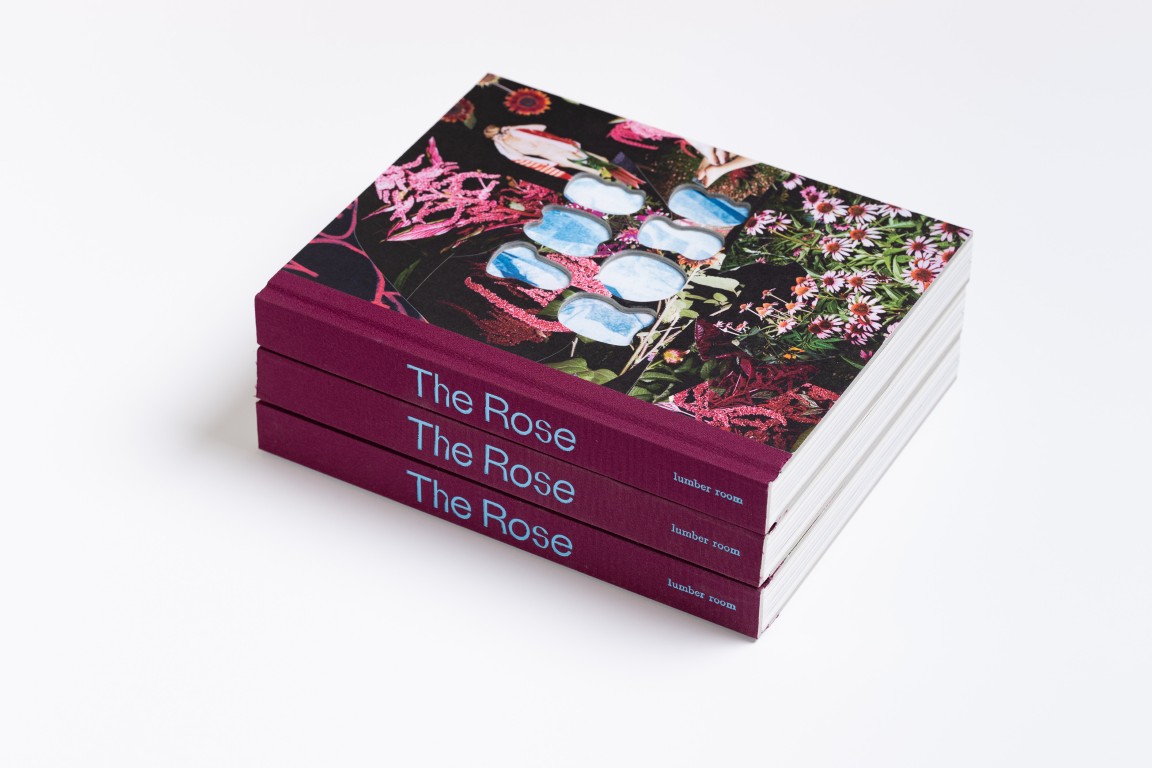
Avec une interprétation large et libre de ce qu’est le collage et de ce qu’il a été, ce livre explore la technique comme un modèle ou une voie pour les artistes afin de re-contextualiser et recadrer tout ce que nous connaissons. Kurland présente un argument selon lequel choisir cette méthode est intrinsèquement politique et en fait contradictoire. Elle nous demande de considérer le collage comme une action : séparer les choses, centrer les marges et forger de nouvelles structures. Kurland propose : « Le collage lutte contre la violence par la violence ; il coupe, déchire et déchirer, nécessitant l’acte réparateur de coller, lier et assembler les choses en une unité nouvelle… Les artistes de The Rose se procurent des matériaux d’archives, des albums de famille et des images vernaculaires, perturbant la structuration du savoir et du pouvoir. Ils utilisent la photographie, la peinture, les morceaux de papier, le tissu, la vidéo, la céramique, la ficelle et le texte comme outils de survie, des technologies pour la construction du monde et un moyen de déprogrammation radicale. » Avec des planches en couleur d’œuvres de chaque artiste ainsi que l’écriture de Kurland contextualisant sa place dans le canon, ce livre sert de re-récit historique de l’histoire de l’art dans le contexte du collage et des artistes à la limite du médium.
Avec des œuvres d’art de : Ruth Asawa, Natalie Ball, Lee Bontecou, Vija Celmins, Philo Cohen, Jay DeFeo, Mary Beth Edelson, Tatiana Florival, Vanessa German, Bean Gilsdorf, Janice Guy, K8 Hardy, Leslie Hewitt, Jessica Jackson Hutchins, AK Jenkins, Baseera Khan, Kiki Kogelnik, Tarrah Krajnak, Lynn Hershman Leeson, Jacky Marshall, Aspen Mays, Qiana Mestrich, Helina Metaferia, Shala Miller, Joiri Minaya, Rachelle Mozman Solano, Wangechi Mutu, Martha Naranjo Sandoval, Yamini Nayar, B. Ingrid Olson, Frida Orupabo, Gina Osterloh, Olivia Reavey, Wendy Red Star, Deborah Roberts, Sally Saul, Keisha Scarville, Gwen Smith, Pamela Sneed, Lorna Simpson, Lau Wai, Della Wells, Hannah Wilke, Francesca Woodman ; 1ère édition tirée à 1000 exemplaires.
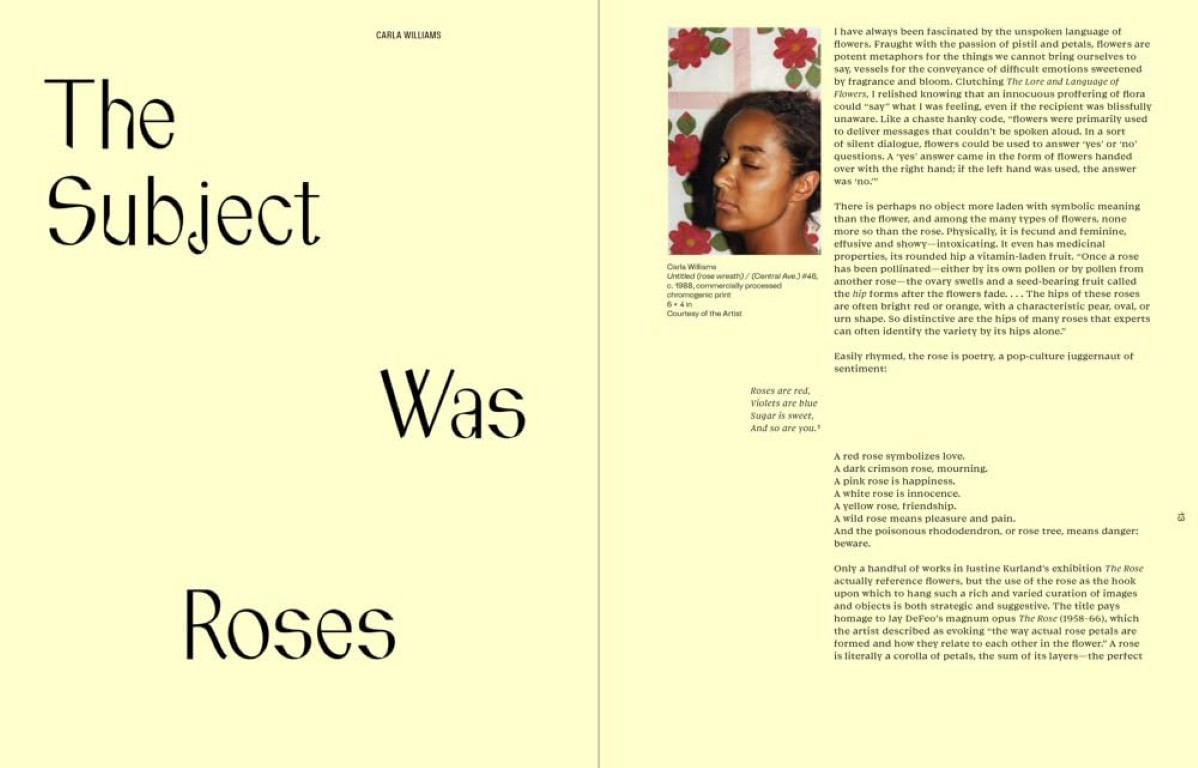
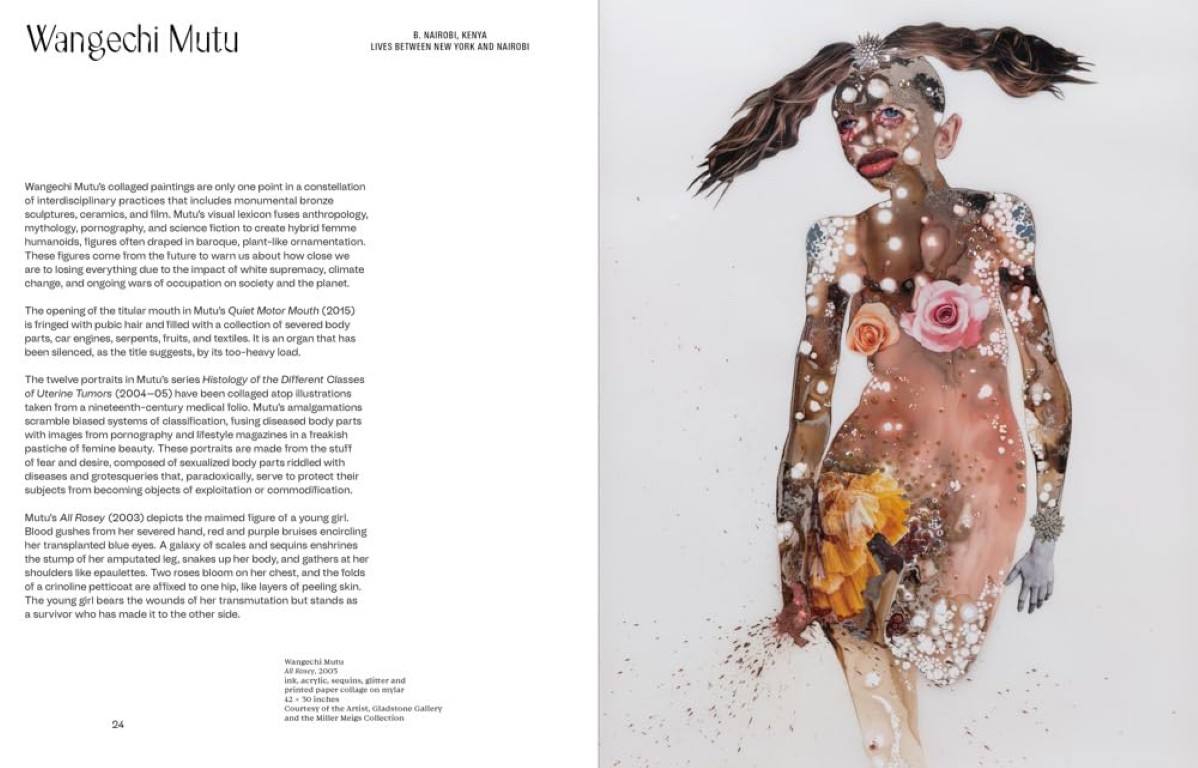
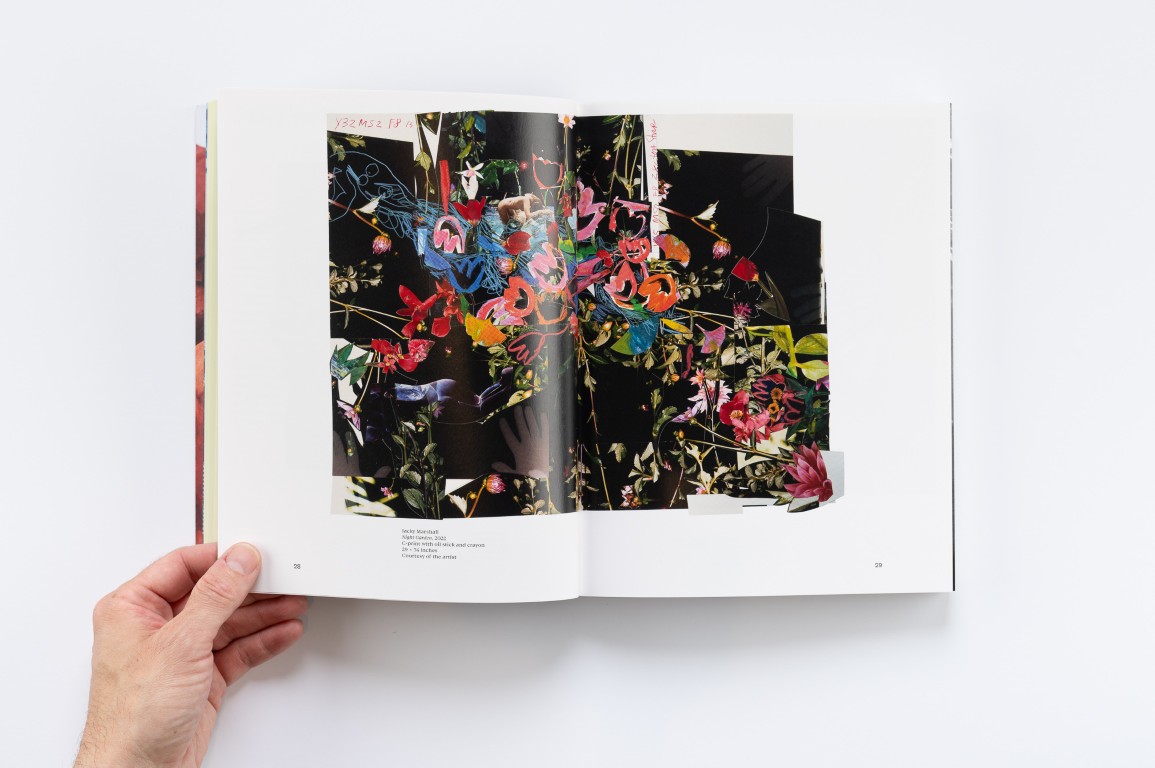
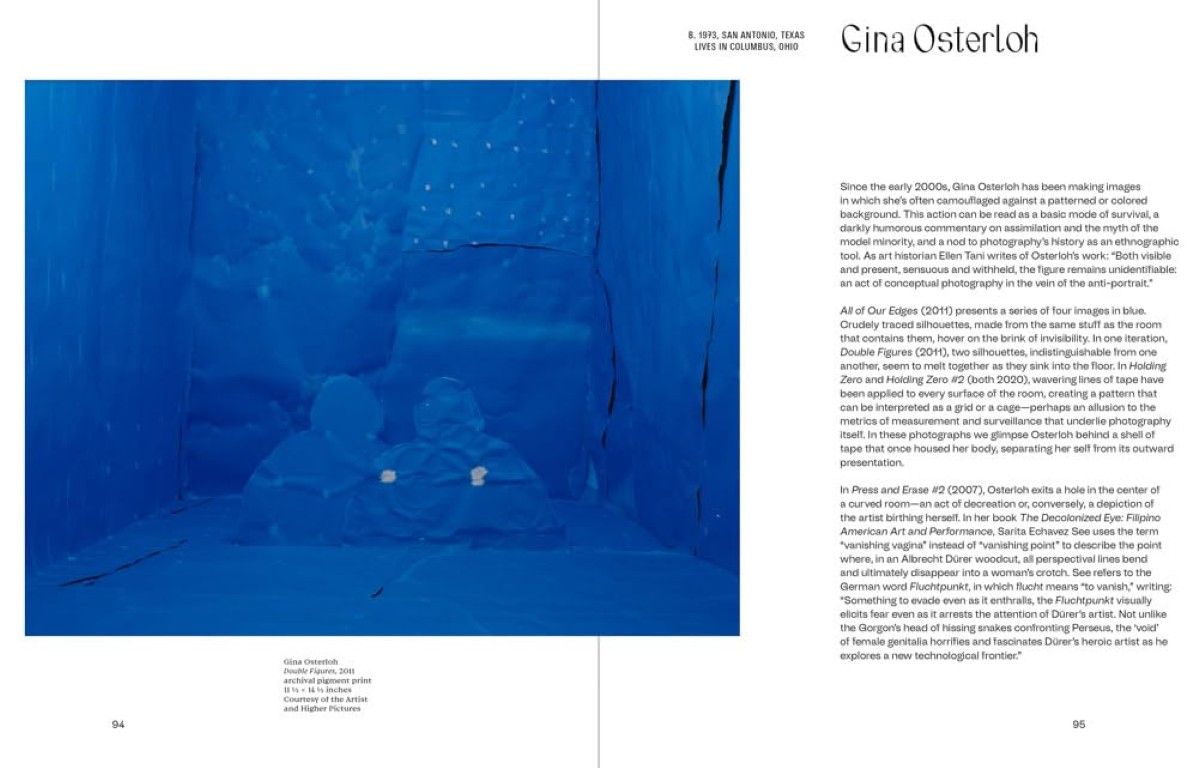
With a sprawling and loose interpretation of what collage is and has been, this book explores the technique as a model or pathway for artists to re-contextualize and reframe all that we know. Kurland presents an argument that choosing this method is inherently political and in fact contradictory. She asks us to consider collage as an action: breaking things apart, centering the margins, and forging new structures. Kurland proposes: « Collage counters violence with violence; it cuts, rips, and rends apart, necessitating the reparative act of gluing, binding, and assembling things into a new unity…The artists in The Rose source archival materials, family albums, and vernacular imagery, disrupting the structuring of knowledge and power. They use photography, paint, scraps of paper, fabric, video, ceramics, string, and text as tools for survival, technologies for world-building, and a means of radical deprogramming.” With full color plates of artwork from each artist along with Kurland’s writing contextualizing its place in the canon, this book serves as a historic re-telling of art history within the context of collage and the artists on the edge of the medium.
Featuring artwork from: Ruth Asawa, Natalie Ball, Lee Bontecou, Vija Celmins, Philo Cohen, Jay DeFeo, Mary Beth Edelson, Tatiana Florival, Vanessa German, Bean Gilsdorf, Janice Guy, K8 Hardy, Leslie Hewitt, Jessica Jackson Hutchins, AK Jenkins, Baseera Khan, Kiki Kogelnik, Tarrah Krajnak, Lynn Hershman Leeson, Jacky Marshall, Aspen Mays, Qiana Mestrich, Helina Metaferia, Shala Miller, Joiri Minaya, Rachelle Mozman Solano, Wangechi Mutu, Martha Naranjo Sandoval, Yamini Nayar, B. Ingrid Olson, Frida Orupabo, Gina Osterloh, Olivia Reavey, Wendy Red Star, Deborah Roberts, Sally Saul, Keisha Scarville, Gwen Smith, Pamela Sneed, Lorna Simpson, Lau Wai, Della Wells, Hannah Wilke, Francesca Woodman ; 1st edition of 1000.