Années 70
-

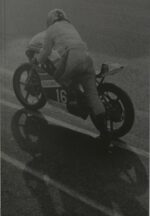
Yan Morvan : Les Carnets Moto ; 1. Tourist Trophy 1978, Isle of Man
30,00€1ère édition tirée à 1000 exemplaires. / 1st edition of 1000.
En 1978 Yan Morvan participait au fameux Tourist Trophy sur l’ile de Man.
-

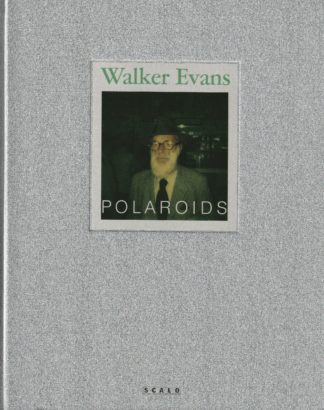
Walker Evans : Polaroids
270,00€Livre Épuisé / Out of Print Book.
Exemplaire état Neuf / Copy as New.
Ensemble de polaroids réalisés par Walker Evans dans les années 1973-74, en provenance des archives du Metropolitan Museum of Art.
Set of Polaroids made by Walker Evans in 1973–74, from the archives of the Metropolitan Museum of Art.
-

Jiro Kochi : Ginza ; Through the eye of a Salaryman 1950-1990
1ère édition tirée à 500 exemplaires / 1st edition of 500 copies.
Pendant plus de quarante ans, jusqu’à sa retraite en 1990, Jiro Kochi a travaillé chez Tenshodo, une entreprise basée à Ginza, spécialisée dans la production et la vente de montres, de trains miniatures, de bijoux et d’autres objets. Passionné de photographie depuis l’enfance, Kochi emportait toujours un appareil photo — le plus souvent un Leica — sur le chemin du travail, photographiant Ginza durant ses trajets quotidiens.
For more than 40 years until his retirement in 1990, Jiro Kochi worked at Tenshodo, a Ginza-based business producing and selling watches, model trains, jewelry and other items. A photography enthusiast since his childhood, Kochi carried a camera (usually a Leica) with him on his way to work, photographing Ginza during his commute.
-

David Armstrong : Contacts
65,00€Publié à l’occasion de l’exposition présentée à la Kunsthalle Zürich du 8 juin au 15 septembre 2024, puis à LUMA Arles du 5 juillet 2025 au printemps 2026.
Published on the occasion of the exhibition at Kunsthalle Zürich from June 8 to September 15, 2024 and at LUMA Arles from July 5, 2025 to Spring 2026.
-

David Wojnarowicz : Arthur Rimbaud in New York
62,00€L’une des rares incursions de David Wojnarowicz dans la photographie témoigne des bouleversements urbains, sociaux et politiques à New York à la fin des années 1970.
One of David Wojnarowicz’s few incursions into photography is a testimony of urban, social and political change in New York in the late 1970s.
-

Thomas Hoepker : DDR / East Germany ; Colour Work, 1972-1990
Publié à l’occasion de l’exposition à la galerie Bunkunst Berlin (Allemagne) du 27 novembre 2025 au 28 février 2026.
Published on the occasion of the exhibition at Bunnkunst Berlin (Germany) from 27 November, 2025 to 28 February, 2026.
La RDA en couleurs Kodachrome ! Une compilation complète des photographies du photographe Magnum Thomas Hoepker de l’autre « État allemand » disparu – avec de nombreuses photos inédites! Avec un essai de Wolf Biermann.
Die DDR in Kodachrome-Farben! Eine umfassende Zusammenstellung der Fotografien des Magnum-Fotografen Thomas Hoepker aus dem verschwundenen „anderen“ deutschen Staat – mit vielen bisher unveröffentlichten Aufnahmen! Mit einem Essay von Wolf Biermann.
-

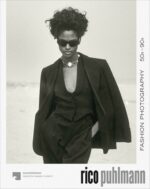
Rico Puhlmann : Fashion Photography ; 50s-90s
Publié à l’occasion de l’exposition au Musée de la Photographie à Berlin (Allemagne) du 27 juin 2025 au 15 février 2026.
Published on the occasion of the exhibition at the Museum für Fotografie at Berlin (Germany) from 27 June 2025 to 15 February 2026.
Première monographie complète sur la vie et le travail du photographe de mode.
First comprehensive monograph on the life and work of the fashion photographer.
Cet ouvrage fournit des aperçus intrigants sur l’histoire du journalisme de mode des années 1950 aux années 1990.
This album provides intriguing insights into the history of fashion journalism from the 1950s to the 1990s.
-

Sage Sohier : Easy Days
85,00€1ère édition tirée à 1000 exemplaires / 1st edition of 1000 copies.
Easy Days est le troisième titre de la trilogie de Sage Sohier qui inclut également Americans Seen et Passing Time. Réalisées entre 1978 et 1986, les 56 photographies présentées dans Easy Days capturent les moments prosaïques des gens ordinaires, toujours avec respect et souvent avec humour.
Easy Days is the third title in Sage Sohier’s trilogy which also includes Americans Seen and Passing Time. Made between 1978 and 1986, the 56 photographs presented in Easy Days capture the prosaic moments of ordinary people, always with respect and often with humor.
“These pictures describe a long-ago time, and yet in looking at them I become once again the young photographer who took them on a hot summer day, sweat and dust pungent on the breeze; in the distance, I can hear the laughter of children who are now middle-aged.” — Sage Sohier, from the introductory interview by Mark Steinmetz
-

Ikko Narahara : When Time Has Vanished
« Where Time Has Vanished » un condensé des quatre années que le maître photographe japonais Ikko Narahara a passées aux États-Unis, est enfin réédité dans une nouvelle édition.
« Where Time Has Vanished » the condensation of the four years Japanese master photographer Ikko Narahara spent in the United States, is finally being reissued in a new edition.
-
Derek Ridgers : Punk London 1977. ; The Roxy, The Vortex, Kings Road and Beyond
30,00€Punk London 1977. La plupart des gens ont cligné des yeux et l’ont raté. Beaucoup ont passé une décennie à essayer de rattraper leur retard. Derek Ridgers est tombé dessus par accident, là où il se trouvait, dans le cœur underground du Roxy au milieu d’un bidonville abandonné appelé Covent Garden.
Punk London 1977. Most people blinked and missed it. Many spent a decade trying to catch up. Derek Ridgers stumbled across it by accident, where it was, in the beating filthy heart of the Roxy in middle of a derelict slum called Covent Garden.
-

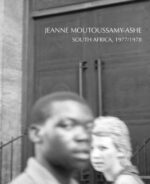
Jeanne Moutoussamy-Ashe : South Africa, 1977/1978
Cette publication, lauréate du prix du livre Gordon Parks Foundation/Steidl 2024, présente plus de 100 photographies de Moutoussamy-Ashe, dont beaucoup n’ont jamais été publiées auparavant.
This publication, winner of the 2024 Gordon Parks Foundation/Steidl Book Prize, features more than 100 of Moutoussamy-Ashe’s photographs, many never published before.
Superbes photographies documentant les gens, les lieux et les mouvements activistes de l’ère de l’apartheid en Afrique du Sud La compréhension de la race et de la classe par la photographe américaine Jeanne Moutoussamy-Ashe a été façonnée par les pratiques discriminatoires systémiques de Chicago; comme elle le reflétait plus tard, « à sa manière, une forme d’apartheid. » Après avoir rencontré les photographies d’Ernest Cole et sa formation auprès de mentors tels que Gordon Parks et Garry Winogrand au début des années 1970, Moutoussamy-Ashe (née en 1951) se rend en Afrique du Sud au plus fort de l’apartheid, armée de son appareil photo. En mars 1977, elle y accompagne son mari Arthur Ashe dans le cadre d’une équipe de tournage d’un documentaire télévisé sur les sports et l’apartheid. Revenant seule l’année suivante, elle a visité le Cap, Durban, Johannesburg et KwaZulu-Natal, ainsi que les cantons d’Alexandra, de Kliptown, de Lenasia et de Soweto, en découvrant le pays et ses habitants à travers son objectif, avoir un accès privilégié à divers événements et documenter des rencontres avec des personnalités influentes. En noir et blanc et en couleurs vives, les images de Moutoussamy-Ashe offrent un point de vue distinct d’un photographe afro-américain sur une période turbulente dans l’histoire sud-africaine.
Superb photographs documenting the people, places and activist movements in apartheid-era South Africa American photographer Jeanne Moutoussamy-Ashe’s understanding of race and class was shaped by Chicago’s systemic discriminatory practices; as she later reflected, the city had, « in its own way, a form of apartheid. » After encountering Ernest Cole’s photographs and training with mentors such as Gordon Parks and Garry Winogrand in the early 1970s, Moutoussamy-Ashe (born 1951) traveled to South Africa at the height of apartheid, armed with her camera. In March 1977 she accompanied her husband Arthur Ashe there, as part of a team filming a TV documentary on sports and apartheid. Returning alone the next year, she visited Cape Town, Durban, Johannesburg and KwaZulu-Natal, and the townships of Alexandra, Kliptown, Lenasia and Soweto, getting to know the country and its people through her lens, gaining special access to various events and documenting encounters with influential figures. In stark black-and-white and vivid color, Moutoussamy-Ashe’s images offer a distinct perspective from an African American photographer on a turbulent period in South African history.
-

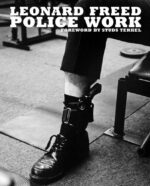
Leonard Freed : Police Work
74,00€La collection définitive des célèbres photographies de Leonard Freed du département de police de New York pendant les mouvementées années 1970.
The definitive collection of Leonard Freed’s acclaimed photographs of the New York police department during the turbulent 1970s.
-

Hugh Holland : Last Days of Summer ; California Skateboarding Archive 1975–1978
60,00€Explorez le monde captivant de la planche à roulettes californienne des années 1970 avec l’objectif de Hugh Holland dans Les derniers jours d’été. Cette archive complète, enrichie de nombreuses images inédites, d’une introduction par l’artiste acclamé Shepard Fairey et d’entretiens approfondis, dévoile l’évolution d’une sous-culture légendaire et le photographe qui a tout documenté.
Explore the captivating world of 1970s California skateboarding through Hugh Holland’s lens in Last Days of Summer. This complete archive, enriched with many never-before-seen images, an introduction by acclaimed artist Shepard Fairey, and extensive interviews, unveils the evolution of a legendary subculture and the photographer who documented it all.
-

Fusako Kodama : 1960/80
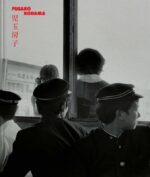
Entre agitation et légèreté, Fusako Kodama rend compte de l’effervescence du Japon moderne, en immortalisant l’atmosphère des lieux et capturant les élans en avant.
Between agitation and lightness, Fusako Kodama depicts the effervescence of modern Japan. From 1960 to 1980, she captures the atmosphere of places and the energy of people.
-

Mark Cohen : Tall Socks
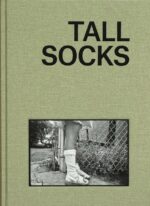
Les photographies prises à New York il y a plus de 50 ans par Mark Cohen seront publiées pour la première fois dans Tall Socks. En juillet 1973, Cohen a passé un mois dans un dortoir de l’université de New York tout en participant à un atelier de production cinématographique. Ses cours quotidiens étaient courts, alors il a utilisé son temps libre pour se promener dans la ville avec sa caméra. Seules quelques images ont été imprimées à l’époque et la grande majorité sont restées invisibles, sauf en négatif, jusqu’à présent.
Photographs taken in New York over 50 years ago by Mark Cohen will be published for the first time in Tall Socks. In July 1973 Cohen spent a month living in a dorm room at NYU while taking part in a film production workshop. His daily classes were short so he used his free time to walk around the city with his camera. Only a few of the images were printed at the time and the vast majority remained unseen, except as negatives, until now.
-
Andy Sweet : Hello Muddah, Hello Faddah ; Andy Sweet’s Summer Camp 1977
55,00€Les jours dorés des grandes chaussettes, des lits superposés, des guimauves et des premiers émois amoureux : le camp d’été des années 1970, du photographe américain après Shtetl in the Sun.
The golden days of tube socks, bunk beds, marshmallows and first crushes: 1970s summer camp, from the photographer behind Shtetl in the Sun.
-

Susan Meiselas : Nicaragua ; June 1978–July 1979
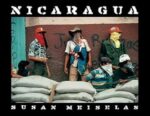
Publié à l’origine en 1981, et maintenant dans une troisième édition, le Nicaragua de Susan Meiselas est un classique contemporain – une contribution fondamentale à la lecture de la photographie engagée.
Originally published in 1981, and now in a third edition, Susan Meiselas’s Nicaragua is a contemporary classic—a seminal contribution to the literature of concerned photography.
-

Tata Ronkholz : Trinkhallen
Plus d’une centaine de « Trinkhallen » (kiosques à boissons) sur le Rhin et la Ruhr, majoritairement à Düsseldorf et à Cologne, que Ronkholz a photographiés entre 1977 et 1983, sont imprimés en pleine page parfaitement en duo. Les « Trinkhallen » sont pour la plupart photographiés frontalement au centre, clairs et sans pitié, presque toujours en noir et blanc, toutes les lignes parallèles et droites. Dans ses prises de vue, le ciel est neutre et aucune personne ne détourne l’attention du spectateur de l’objet.
More than a hundred « Trinkhallen » (drinks kiosks) on the Rhine and Ruhr, the majority in Düsseldorf and Cologne, which Ronkholz photographed between 1977 and 1983, are printed full-page perfectly in duotone. The « Trinkhallen » are mostly photographed frontally in the centre, clear and unpathetic, almost always in black and white, all lines parallel and straight. In her shots the sky is neutral and no people detract the viewer’s attention from the object.
-

Wim Wenders : Sofort Bilder (Deutsche Fassung)
37,00€Wim Wenders : Sofort Bilder est un voyage photographique à travers la vie de l’artiste, depuis ses premiers voyages à travers les paysages cinématographiques américains jusqu’aux provinces allemandes et au-delà.
Wim Wenders: Sofort Bilder is a photographic road trip through the life of the artist, from his early travels through America’s cinematic landscapes to the German provinces and beyond.