
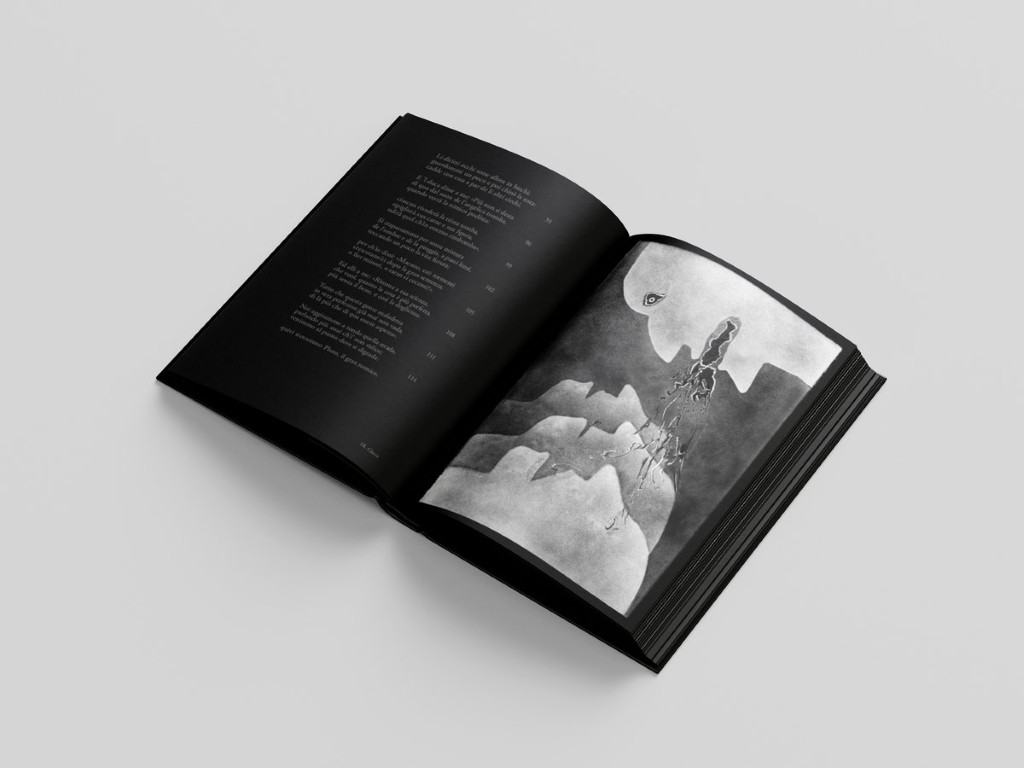
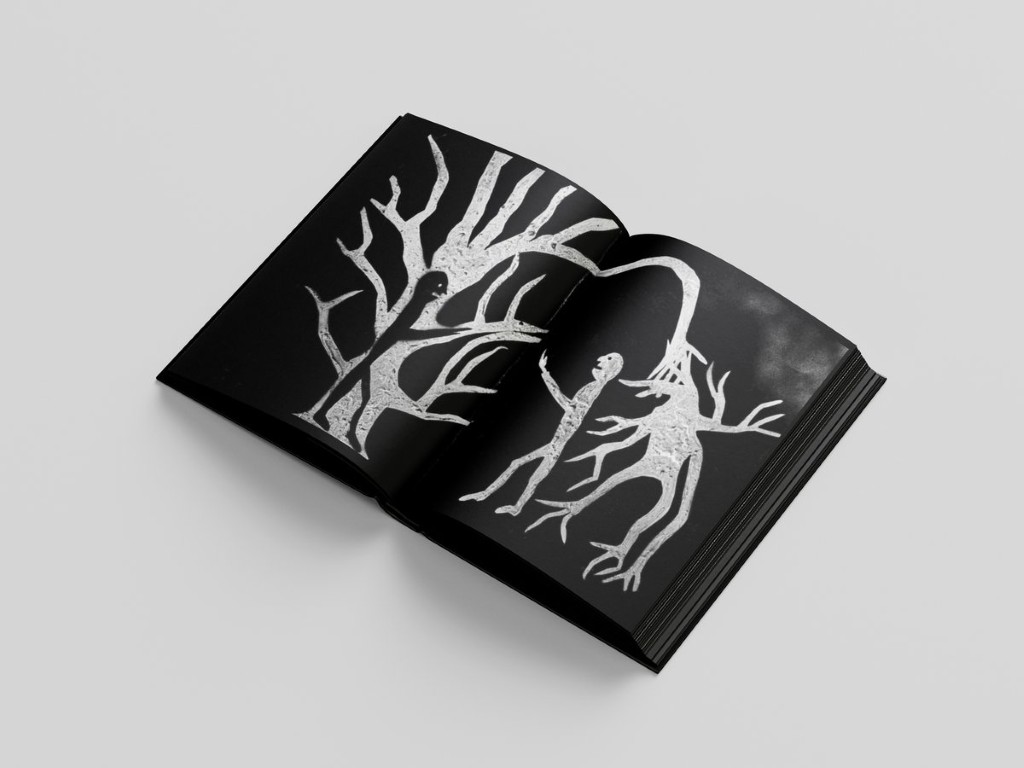
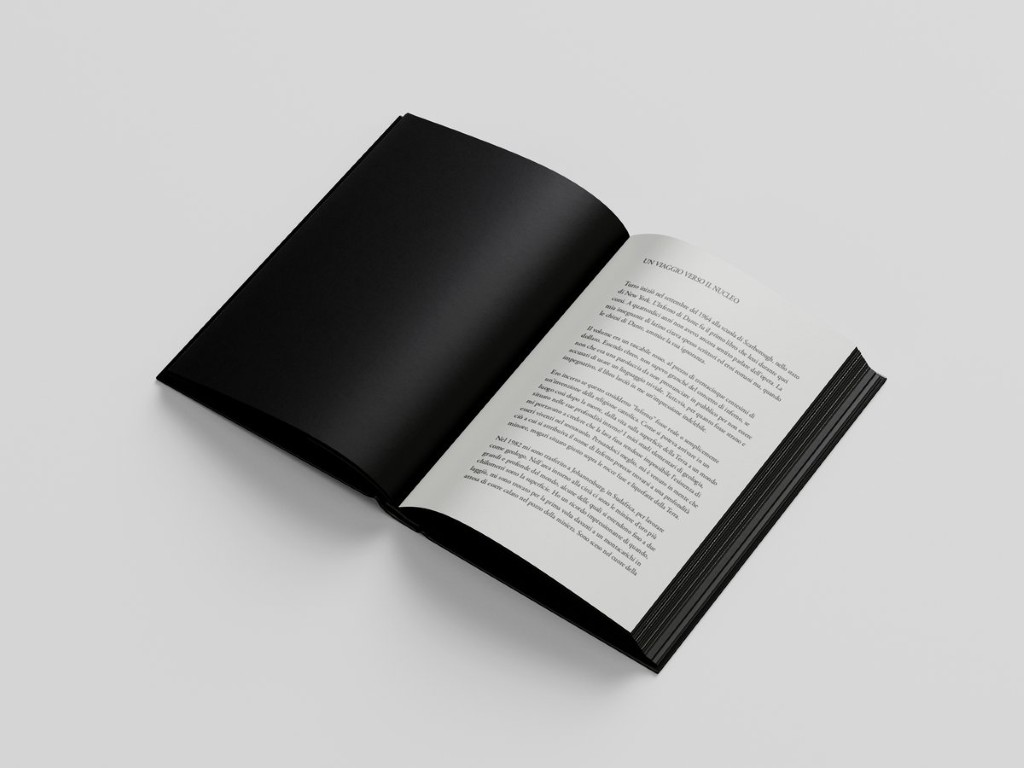
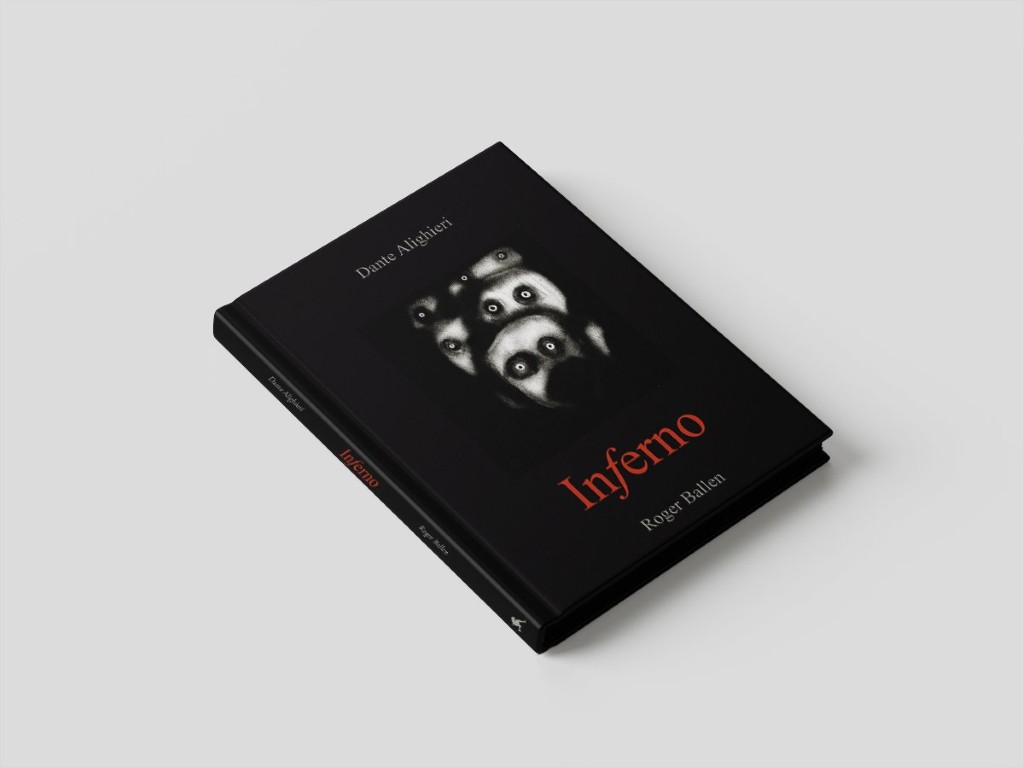
Didi Bozzini — curateur et connaisseusr érudit de la Divine Comédie—a perçu l’affinité frappante entre l’imagerie de Dante et l’univers « ballenesque » et a initié ce projet. « Dante a conçu l’Enfer comme un théâtre de merveilles », observe Bozzini. « L’apparition répétée de visions inattendues, troublantes, terrifiantes ou étonnantes est précisément ce qui sous-tend la structure narrative du poème ».
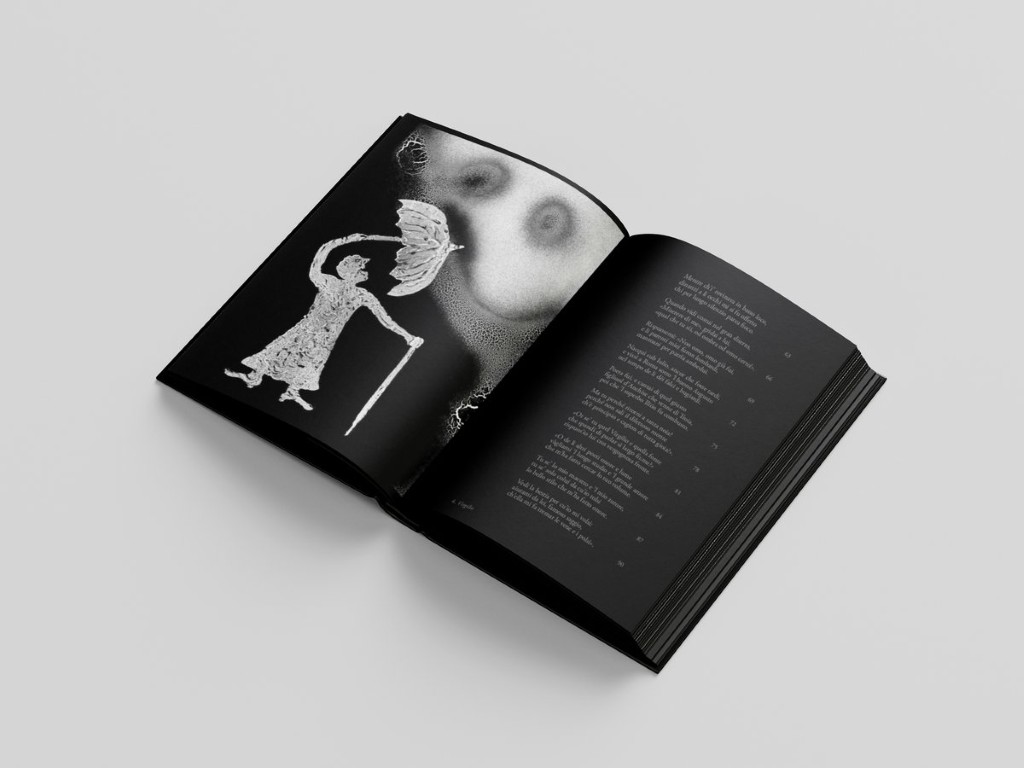
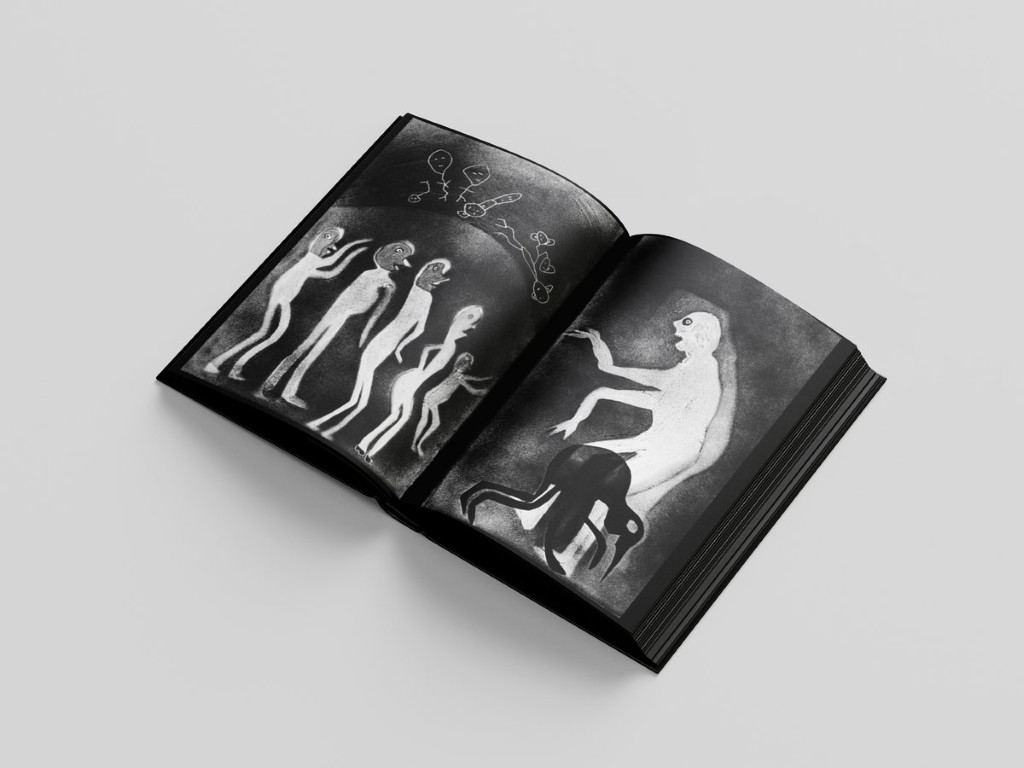
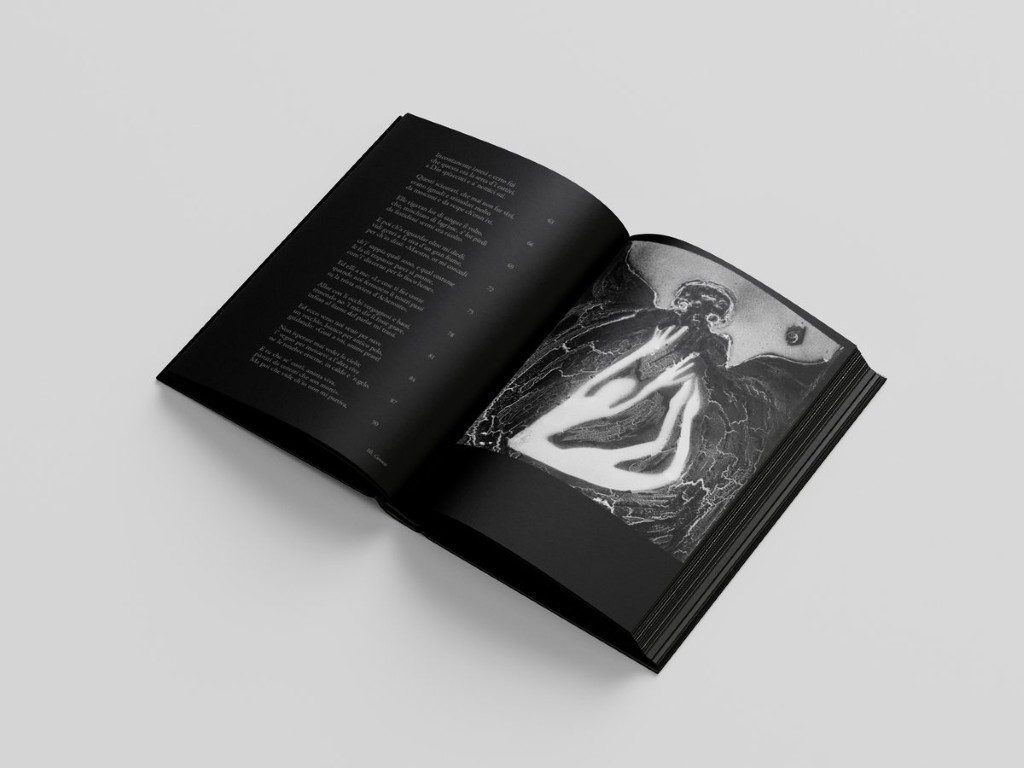
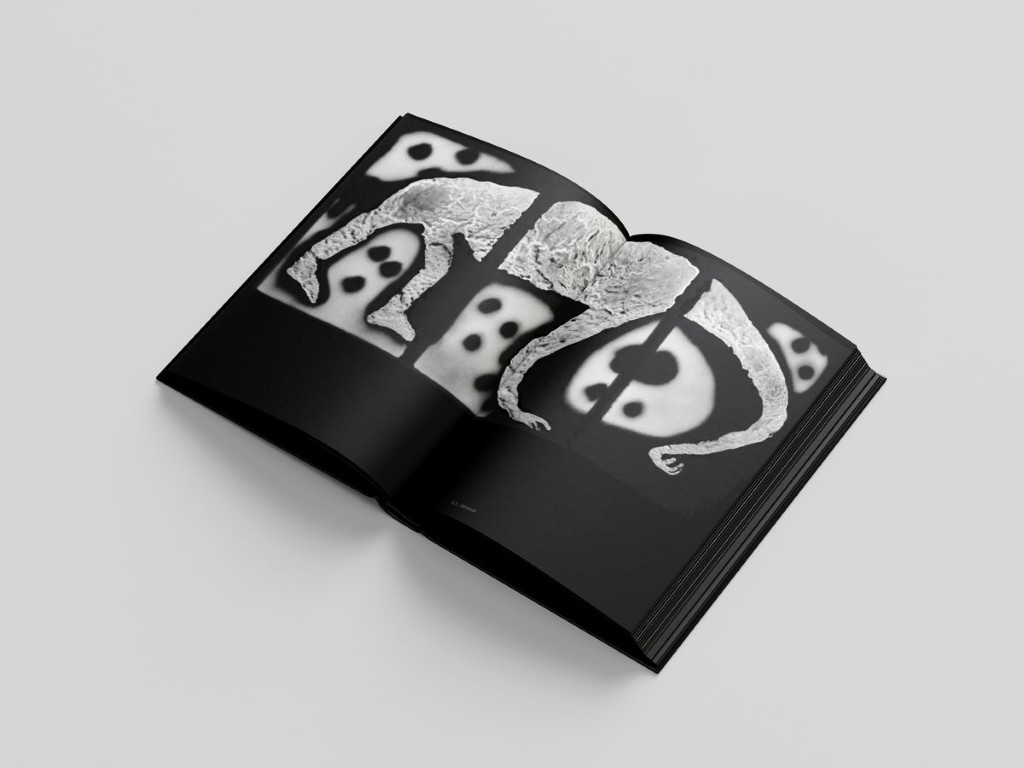
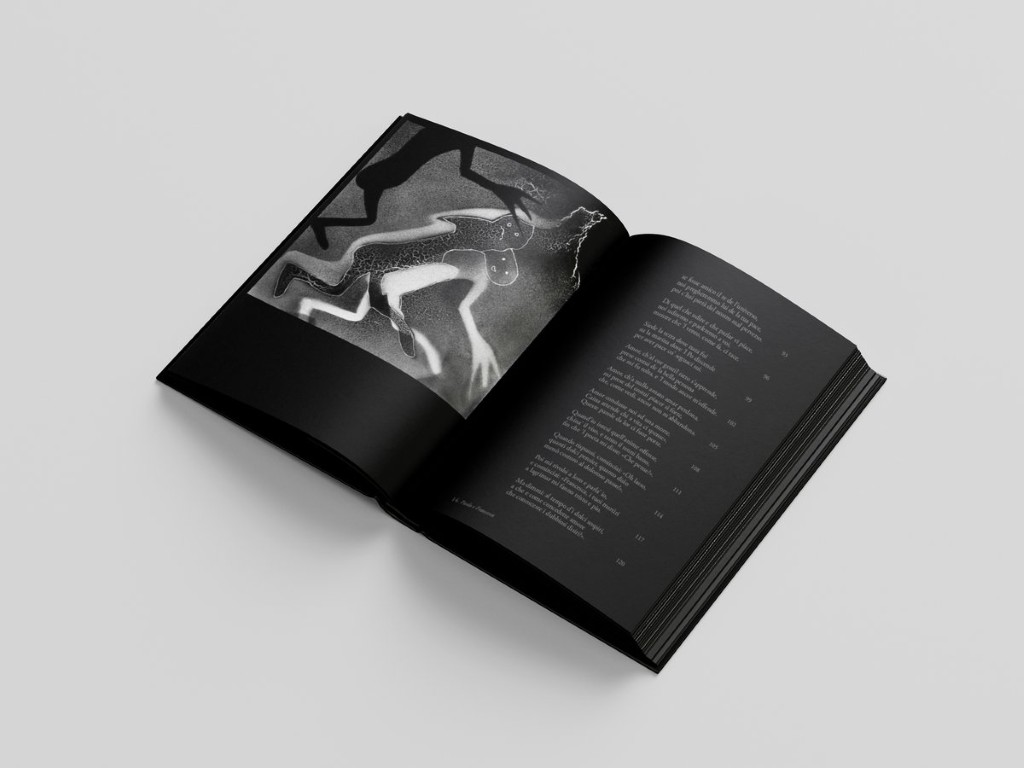
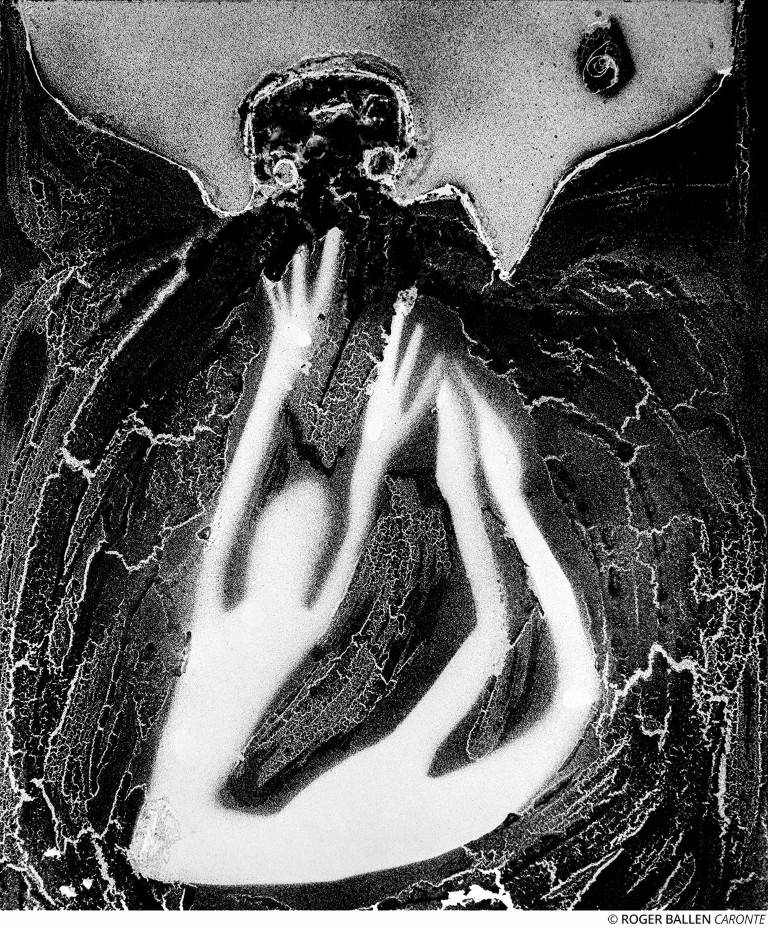
Après avoir été invité à s’intéresser au travail du poète, Ballen a sélectionné soixante-seize photographies de sa série Theatre of Apparitions. Ce corpus d’œuvres comprend des images spectrales et fantomatiques qui ont fait surface à partir des cryptes de l’inconscient et ‘se produisent’ comme sur le plateau de l’œil de l’esprit. Géologue de formation, Ballen comme Dante est un voyageur des profondeurs. Les deux descendent dans l’abîme, explorant les couches cachées de la matière et de l’être. « La caméra a toujours été une chambre noire, une sorte de fenêtre dans la chambre noire de mon moi intérieur », écrit Ballen.
C’est précisément dans cet espace intérieur que naissent les images — créées en collaboration avec Marguerite Rossouw—. Issus d’un processus créatif intuitif et stratifié, ils sont enracinés dans l’analogie profonde entre le subconscient et l’underground. Loin d’être un simple exercice illustratif, ces photographies reflètent puissamment et originellement un voyage introspectif — à la fois allégorique et viscéralement vécu. Comme le note Ballen : « Les photographies choisies pour l’Enfer de Dante sont une combinaison des mondes intérieur et extérieur. Ces représentations recréent le royaume d’une réalité trouble et onirique de l’au-delà. Comme les personnages de l’Enfer de Dante, ils sont des archétypes vacillants issus de l’inconscient collectif de l’humanité. C’est mon espoir que ces photographies fournissent un chemin pour débloquer l’un des mystères les plus fondamentaux de la vie : Que se passe-t-il après notre mort ? ; sous la direction de Didi Boziini, photos en n.b.
Avec la sortie du livre, Wanderwelle et Roger Ballen présentent le court-métrage d’animation Inferno — une extension visuelle et sonore du projet qui approfondit son atmosphère et son univers conceptuel.
Didi Bozzini — curator and profound connoisseur of the Divine Comedy — perceived the striking affinity between Dante’s imagery and the Ballenesque universe and initiated this project. «Dante conceived the Inferno as a theatre of marvels», observes Bozzini. «The repeated appearance of unexpected, disturbing, terrifying, or astonishing visions is precisely what undergirds the poem’s narrative structure».
After having been invited to engage with the poet’s work, Ballen selected seventy-six photographs from his series Theatre of Apparitions. This body of work comprises spectral, ghostly imagery that have surfaced from the crypts of the unconscious mind and ‘perform’ as if on the stage of the mind’s eye. A geologist by training, Ballen like Dante is a traveller of the depths. Both descend into the abyss, exploring the hidden layers of matter and being. «The camera has always been a darkroom, a kind of window into the black chamber of my inner self», writes Ballen.
It is precisely within this inner space that the images — created in collaboration with Marguerite Rossouw — come into being. Arising from an intuitive and stratified creative process, they are rooted in the profound analogy between the subconscious and the underground. Far from being a mere illustrative exercise, these photographs powerfully and originally reflect an introspective journey — both allegorical and viscerally experienced. As Ballen notes: «The photographs chosen for Dante’s Inferno are a combination of the inner and outer worlds. These depictions recreate the realm of a murky, dreamlike reality of the afterlife. Like the characters in Dante’s Inferno, they are flickering archetypes from the collective unconscious of humankind. It is my hope that these photographs provide a pathway to unlocking one of the most fundamental mysteries of life: What happens after we die?» ; edited by Didi Bozzini.
Together with the release of the book, Wanderwelle and Roger Ballen present the animated short film Inferno — a visual and sonic extension of the project that deepens its atmosphere and conceptual universe.
Il progetto nasce da un’intuizione di Didi Bozzini, curatore e conoscitore della Commedia, che ha colto la sorprendente affinità tra l’immaginario dantesco e l’universo Ballenesque. «L’Inferno è stato strutturato da Dante come un teatro della meraviglia», osserva Bozzini. «Il ripetuto manifestarsi alla mente di visioni inattese, sconcertanti, spaventose o stupefacenti è esattamente ciò che sostiene l’impalcatura narrativa del poema». Sollecitato a confrontarsi con l’opera del poeta, Roger Ballen ha selezionato sessanta sette fotografie tratte dalla serie The Theatre of Apparitions — un titolo che esprime con immediatezza il legame profondo tra le immagini e il testo. Geologo di formazione, Ballen è, come Dante, un viaggiatore del profondo: entrambi condividono lo stesso gesto radicale — scendere negli abissi, esplorare i livelli nascosti della materia e dell’essere. «Per me — scrive Ballen — la fotocamera è sempre stata la camera oscura, una sorta di finestra nella stanza buia della mia interiorità». È proprio in questo spazio interiore che prendono forma le fotografie realizzate in collaborazione con Marguerite Rossouw. Frutto di un processo creativo intuitivo e stratificato, la stretta analogia tra il subconscio e il sottosuolo è il nucleo stesso della loro genesi.
Ballen mette in scena un “teatro delle apparizioni” in cui, come nell’Inferno dantesco, ogni immagine è al tempo stesso figura e simbolo, presenza e allegoria. Ben lontano da un mero esercizio illustrativo, le fotografie riflettono con forza e originalità un itinerario introspettivo, insieme allegorico e autenticamente vissuto. «Le fotografie scelte per questa versione dell’Inferno sono una combinazione di mondo interiore e mondo esteriore. Si tratta di rappresentazioni che ricreano la realtà torbida e onirica di un regno dell’aldilà», scrive Ballen. «Come i personaggi di Dante, sono gli archetipi tremolanti dell’inconscio collettivo dell’umanità. La mia speranza è che queste fotografie forniscano un percorso per svelare uno dei misteri più fondamentali della vita: cosa accade dopo la nostra morte?» ; a cura di Didi Bozzini.