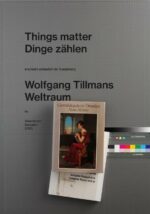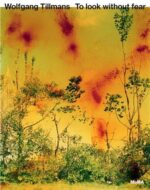
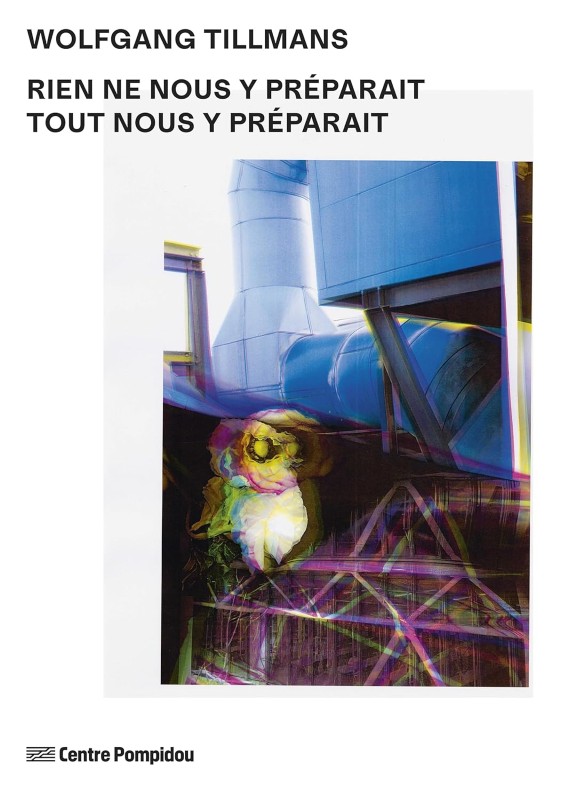
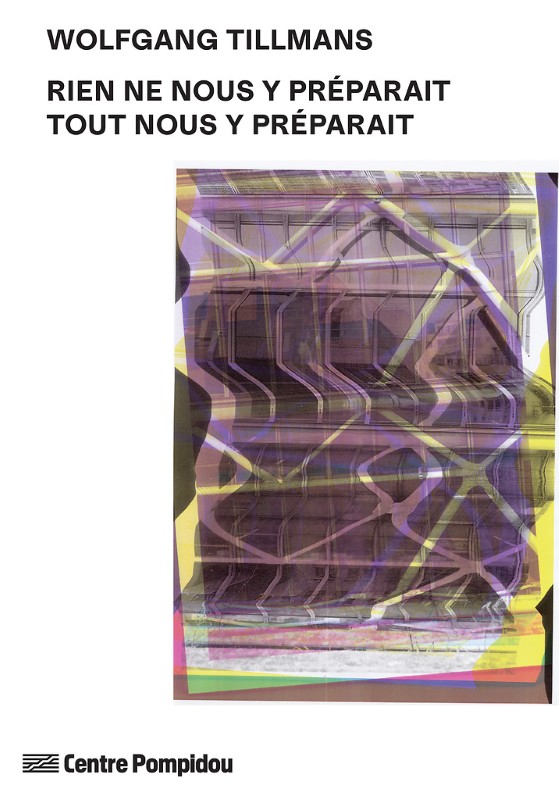
Présentation de l’exposition créée dans les locaux du musée du Centre Pompidou, vidés en prévision des travaux de restauration, dans laquelle l’artiste propose une nouvelle lecture de son univers artistique, à travers une mise en abyme de son oeuvre multimédia. Il est ainsi engagé dans la recherche d’un nouvel humanisme et de voies alternatives pour mieux vivre ensemble.
L’oeuvre de Wolfgang Tillmans n’a cessé de repousser les limites du visible, capturant la fragilité parfois belle, parfois troublante du monde physique. Par ses photographies, créées avec ou sans appareil, il examine et élargit la matérialité des images photographiques tout en explorant les formes de construction communautaire et les menaces qui pèsent sur la liberté, ainsi que la manière dont l’information est diffusée.
Avec l’exposition « Rien ne nous y préparait – Tout nous y préparait », Wolfgang Tillmans transforme la Bibliothèque publique d’information du Centre Pompidou, lieu de savoir, de mémoire et de diversité sociale, en un espace d’expérimentation.
Conçu en étroite collaboration avec l’artiste et comprenant de nombreuses vues de la scénographie immersive, ce livre reflète l’exposition et en offre un prolongement ; sous la direction de Florian Ebner et Olga Frydryszak-Rétat, photos en couleurs.
This exhibition-event will mark both the end of the Centre Pompidou’s programming in its Parisian building, prior to its extensive renovation project, and the beginning of its metamorphosis. Wolfgang Tillmans conceived this intervention as an echo of this building, constructed in 1977, a visionary project by architects Piano and Rogers and emblematic of a new concept democratizing culture. The photographer offers a new interpretation of his artistic universe in light of the current global situation.
For over 30 years, Wolfgang Tillmans has pushed the boundaries of the visible world by capturing and revealing the fragile beauty of the physical world. Through photography, video, music, sound, and print, he is committed to the search for a new humanism and alternative ways to live better together. Proposing new ways of making images, he examines the profound transformation of the media of our time, focused simultaneously on the exploration of bodily pleasure, the natural and urban environment, and the very materiality of photography. He has thus shaped a singular aesthetic and social universe, born from the spirit of the counterculture of the early 1990s.