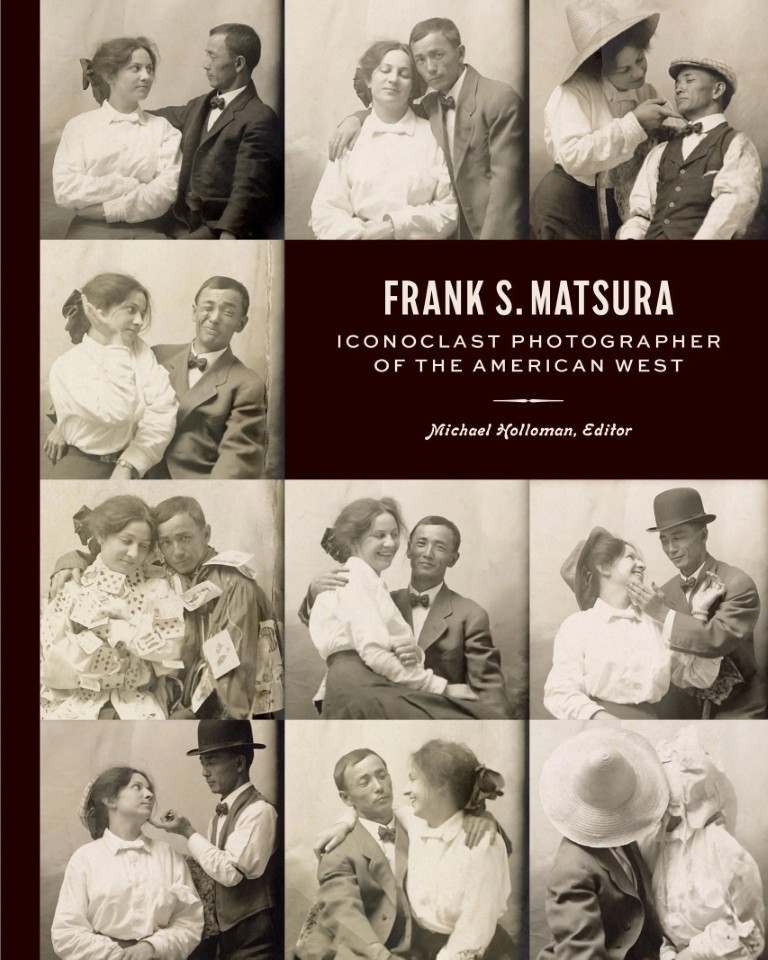



Frank S. Matsura (1873-1913) was an immigrant photographer, a local hero, a charismatic original, an enigma, and a man of the community whose legacy has grown over time. Today, historians are still compiling the details of Frank’s unconventional life, and his identity and images are enjoying a revival. An expansion of academic scholarship, documentaries, exhibitions, and regional historical interests, particularly regarding his Native American portraiture, has resulted in a more vivid understanding of the man and his work:
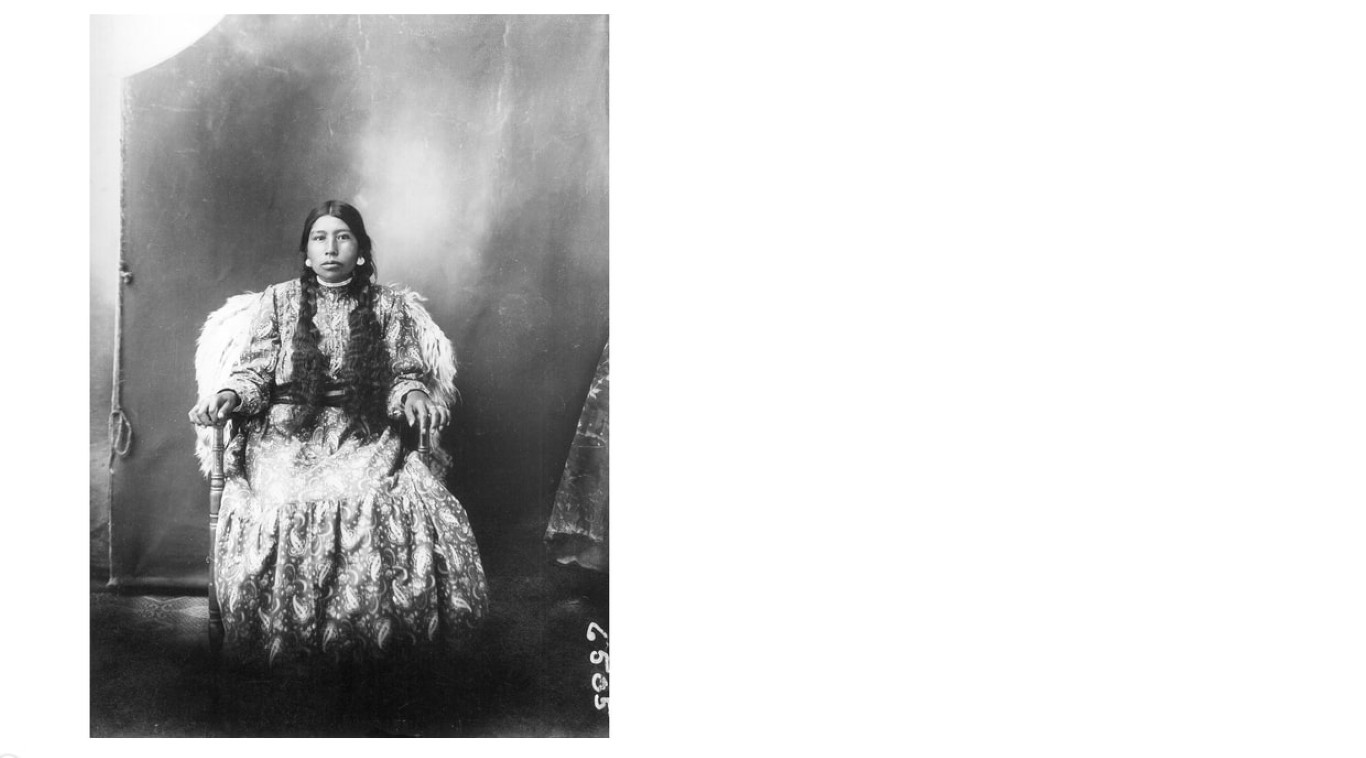
Matsura’s photographs of local tribal members reveal an honesty and empathy, a counterpoint to the contrived or nostalgic seen in his contemporaries’ images from the same period.
His œuvre of just ten years (due to his unexpected passing from tuberculosis) documents everyday local events and the cacophony of characters who visited his studio for dime portraits.
There are parallels to be found between Matsura’s work and today’s society in attempts to rise above anti-Asian bias, the continued pursuit of cultural agency, and a desire to individually define what America can and should be.
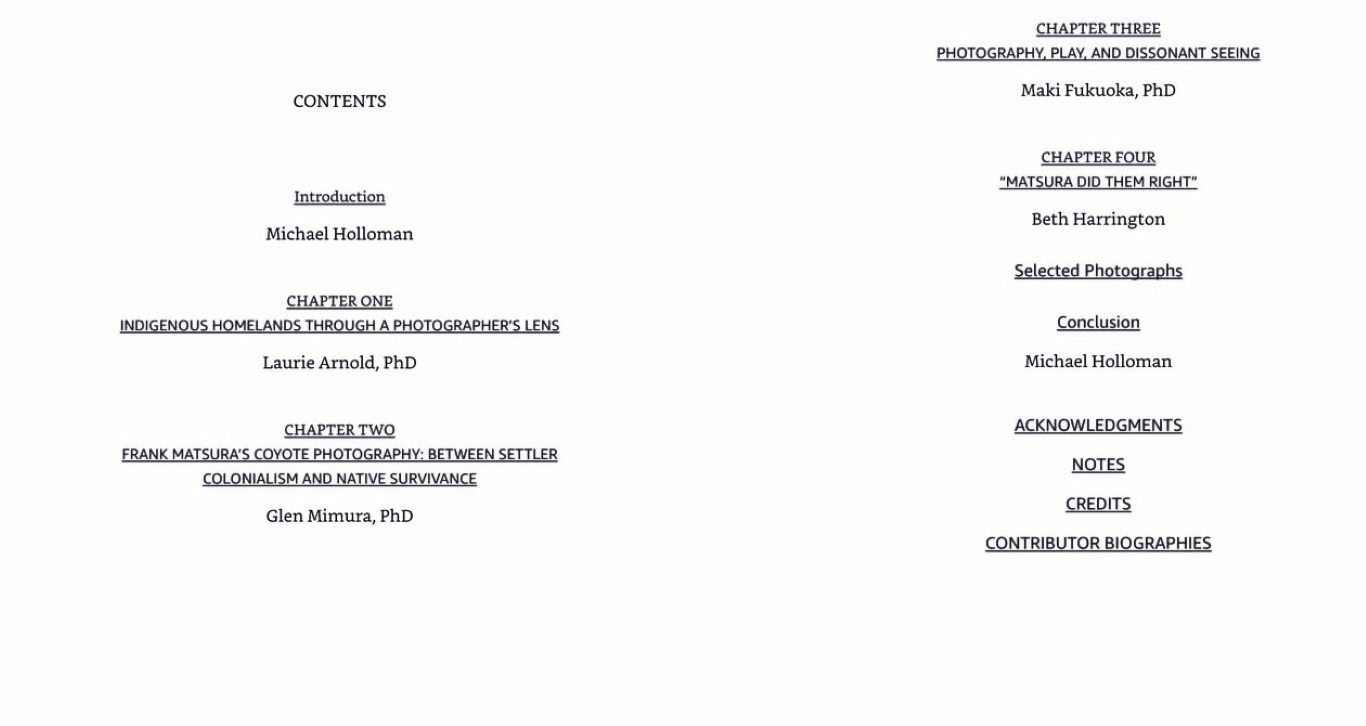
Along with beautifully reproduced black-and-white photographs, the book features narratives from five scholars who give life and context to Matsura’s work, celebrating his captivating photography as a look into immigrant artists, American identity, and the history of a fluid and multicultured exceptionalism.
Edited by Michael Holloman is a member of the Confederated Tribes of the Colville Reservation and a professor in the Department of Art at Washington State University. He teaches undergraduate and graduate courses in Native American art history and the studio arts while maintaining duties for the university as the coordinator for Native Arts, Outreach and Education.
Contributors:
Laurie Arnold, Ph.D., Professor of History & Director of Native American Studies at Gonzaga University and an enrolled member of the Sinixt Band of the Colville Confederated Tribes
Mak
2360 / 2000
Frank S. Matsura (1873-1913) était un photographe immigrant, un héros local, un original charismatique, une énigme et un homme de la communauté dont l’héritage s’est développé au fil du temps. Aujourd’hui, les historiens compilent encore les détails de la vie non conventionnelle de Frank, et son identité et ses images connaissent un renouveau. Une expansion de la recherche académique, des documentaires, des expositions et des intérêts historiques régionaux, en particulier concernant ses portraits amérindiens, a abouti à une compréhension plus vivante de l’homme et de son travail :
Les photographies de Matsura sur des membres de la tribu locale révèlent une honnêteté et une empathie, un contrepoint à l’image artificielle ou nostalgique vue dans les images de ses contemporains de la même période.
Son œuvre de seulement dix ans (en raison de son décès inattendu de la tuberculose) documente les événements locaux quotidiens et la cacophonie des personnages qui visitaient son studio pour des portraits à dix sous.
Il y a des parallèles à trouver entre le travail de Matsura et la société d’aujourd’hui dans ses tentatives de s’élever au-dessus des préjugés anti-asiatiques, la poursuite continue de l’agentivité culturelle et un désir de définir individuellement ce que l’Amérique peut et doit être.
Avec des photographies en noir et blanc magnifiquement reproduites, le livre présente les récits de cinq chercheurs qui donnent vie et contexte à l’œuvre de Matsura, célébrant sa photographie captivante comme un regard sur les artistes immigrants, identité américaine, et l’histoire d’un exceptionnalisme fluide et multiculturel.
Édité par Michael Holloman est membre des tribus confédérées de la réserve de Colville et professeur au département d’art de l’université d’État de Washington. Il enseigne des cours de premier cycle et de deuxième cycle en histoire de l’art amérindien et en arts plastiques, tout en continuant à travailler pour l’université en tant que coordonnateur des arts, de la sensibilisation et de l’éducation autochtones.
Contributeurs :
Laurie Arnold, Ph.D., professeur d’histoire et directeur des études amérindiennes à l’Université Gonzaga et membre inscrit de la bande Sinixt des tribus confédérées de Colville
Maki Fukuoka, Ph.D., professeur associé, histoire de l’art, Université de Leeds
Glen Mimura, Ph.D., professeur associé d’études cinématographiques et médiatiques et d’études américano-asiatiques à l’Université de Californie, Irvine
Beth Harrington, productrice/réalisatrice/auteure et lauréate d’un prix Emmy, cinéaste indépendante dont le travail se concentre sur la culture, l’histoire, l’art et la musique américains.
Frank S. Matsura (1873-1913) was an immigrant photographer, a local hero, a charismatic original, an enigma, and a man of the community whose legacy has grown over time. Today, historians are still compiling the details of Frank’s unconventional life, and his identity and images are enjoying a revival. An expansion of academic scholarship, documentaries, exhibitions, and regional historical interests, particularly regarding his Native American portraiture, has resulted in a more vivid understanding of the man and his work:
Matsura’s photographs of local tribal members reveal an honesty and empathy, a counterpoint to the contrived or nostalgic seen in his contemporaries’ images from the same period.
His œuvre of just ten years (due to his unexpected passing from tuberculosis) documents everyday local events and the cacophony of characters who visited his studio for dime portraits.
There are parallels to be found between Matsura’s work and today’s society in attempts to rise above anti-Asian bias, the continued pursuit of cultural agency, and a desire to individually define what America can and should be.
Along with beautifully reproduced black-and-white photographs, the book features narratives from five scholars who give life and context to Matsura’s work, celebrating his captivating photography as a look into immigrant artists, American identity, and the history of a fluid and multicultured exceptionalism.
Edited by Michael Holloman is a member of the Confederated Tribes of the Colville Reservation and a professor in the Department of Art at Washington State University. He teaches undergraduate and graduate courses in Native American art history and the studio arts while maintaining duties for the university as the coordinator for Native Arts, Outreach and Education.
Contributors:
Laurie Arnold, Ph.D., Professor of History & Director of Native American Studies at Gonzaga University and an enrolled member of the Sinixt Band of the Colville Confederated Tribes
Maki Fukuoka, Ph.D., Associate Professor, History of Art, University of Leeds
Glen Mimura, Ph.D., Associate Professor of Film and Media Studies and Asian-American Studies at the University of California, Irvine
Beth Harrington, Producer/Director/Writer, and Emmy Award–winning independent filmmaker whose work focuses on American culture, history, art, and music.