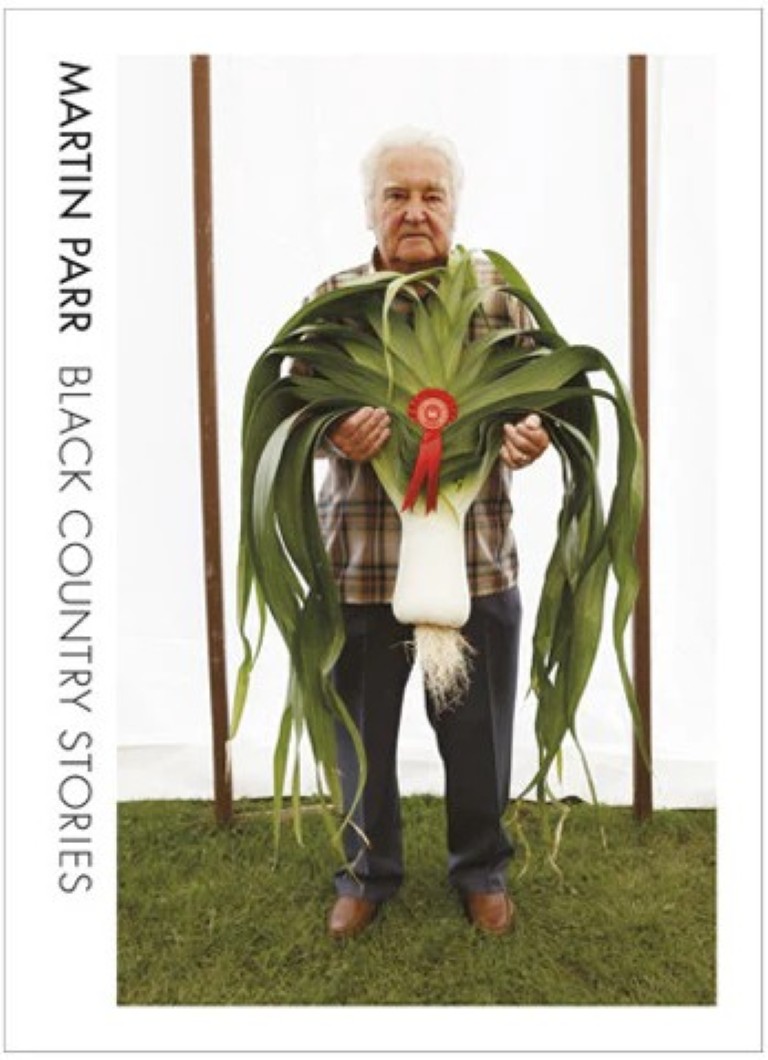

Back Country Stories est le résultat d’une commande pour Multistory que Martin Parr a menée sur plusieurs années. C’était une région qu’il connaissait peu, hormis sa réputation de zone densément peuplée et post-industrielle, en déclin. Nombre des industries qui avaient autrefois fait la grandeur du Black Country ont disparu, mais de nombreuses petites usines et entreprises de fabrication demeurent en bonne santé. Une certaine régénération est également intervenue grâce aux nombreuses communautés immigrées qui ont fait du Black Country leur foyer. La région est aujourd’hui habitée par des communautés diverses — polonaise, sikhe, somalienne, pour n’en citer que quelques-unes.
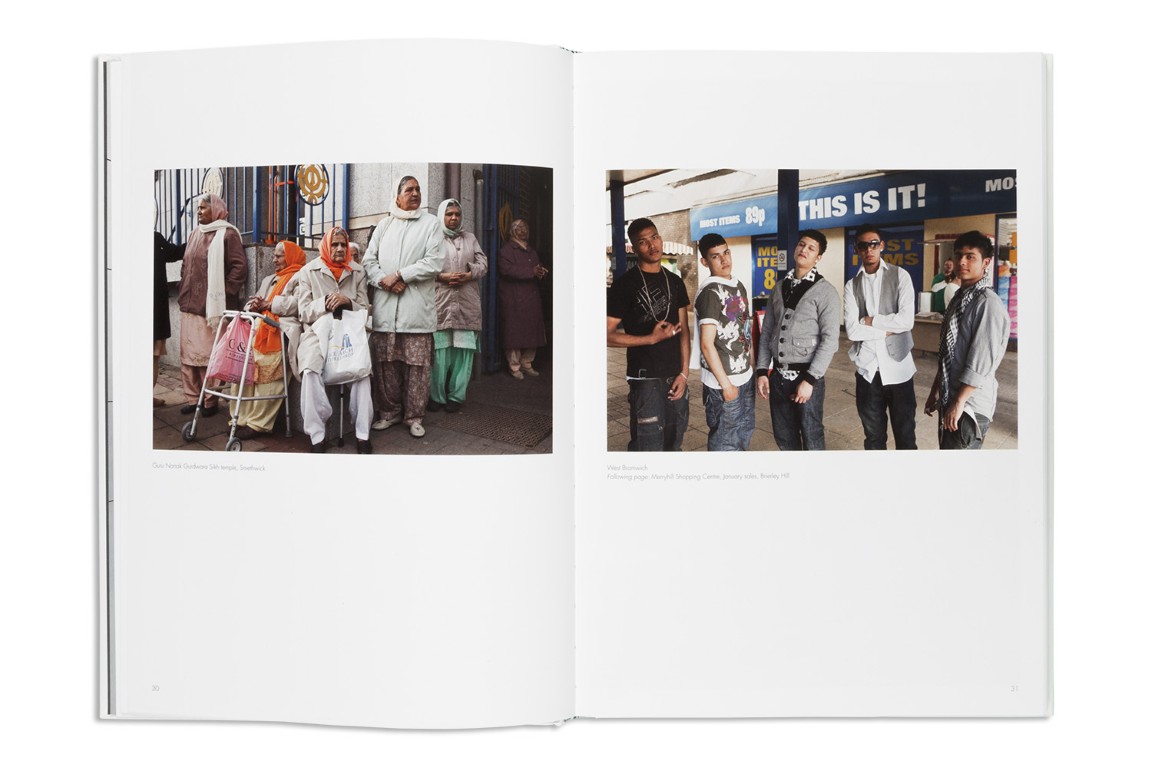
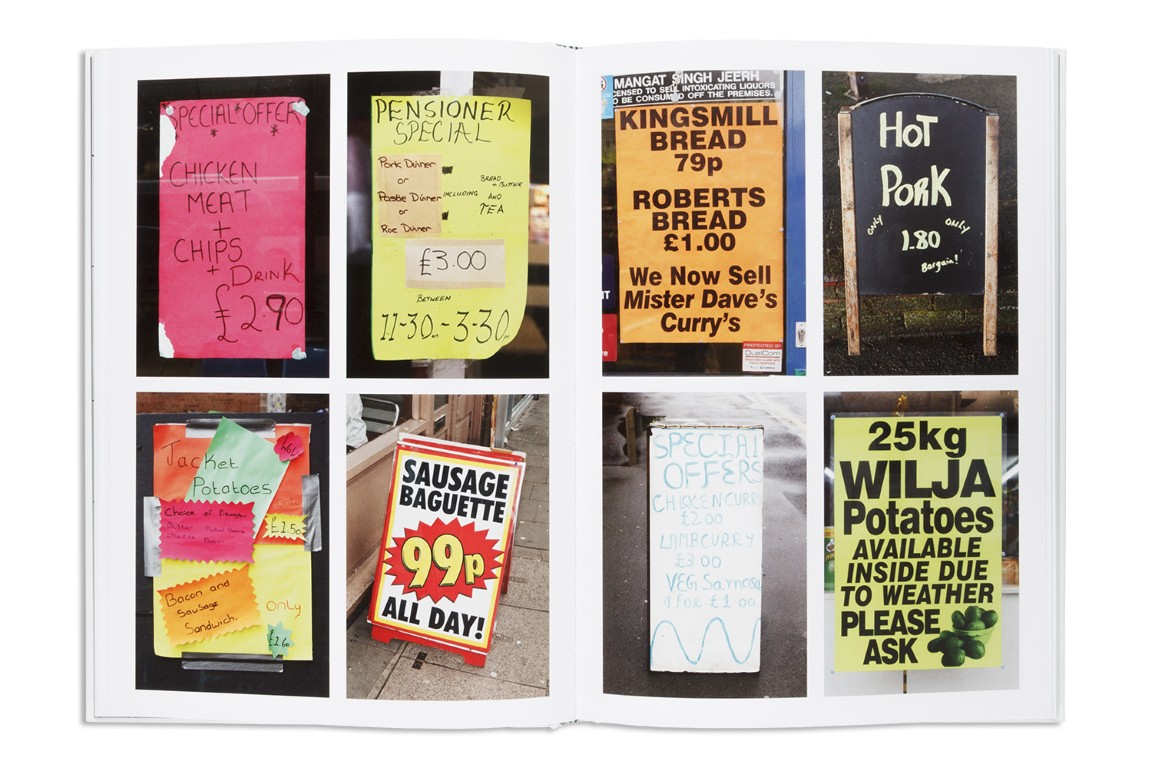
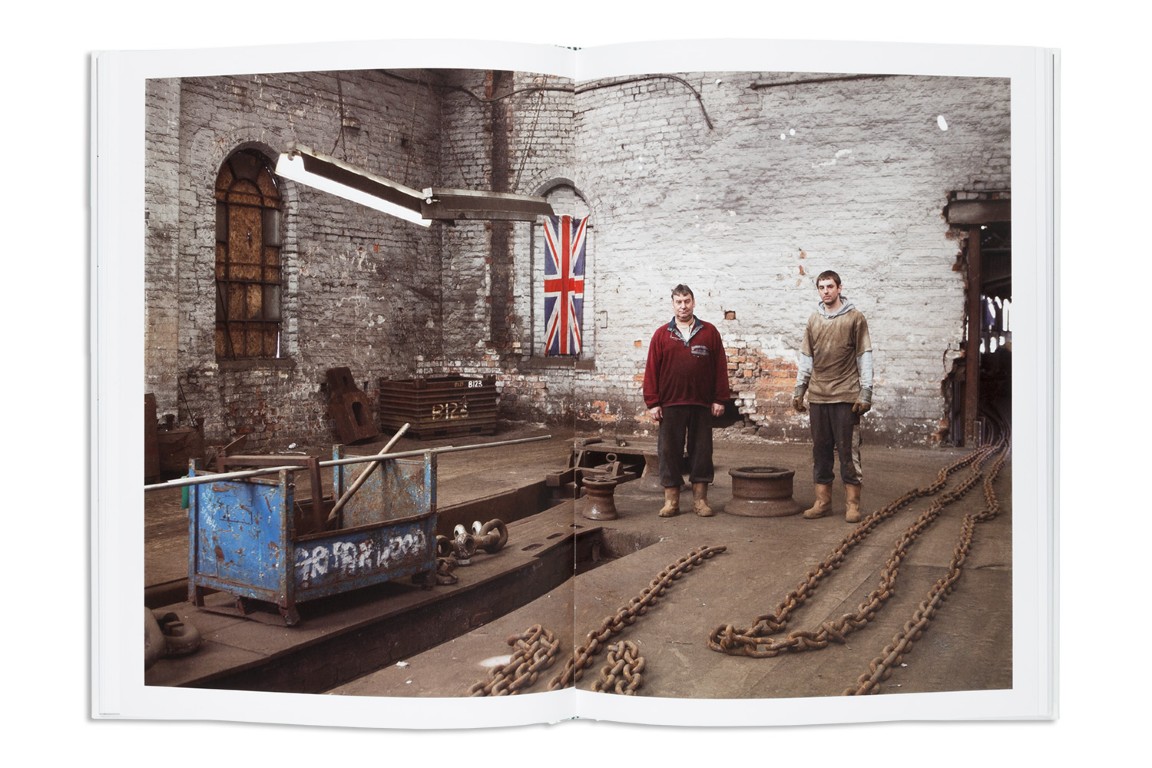
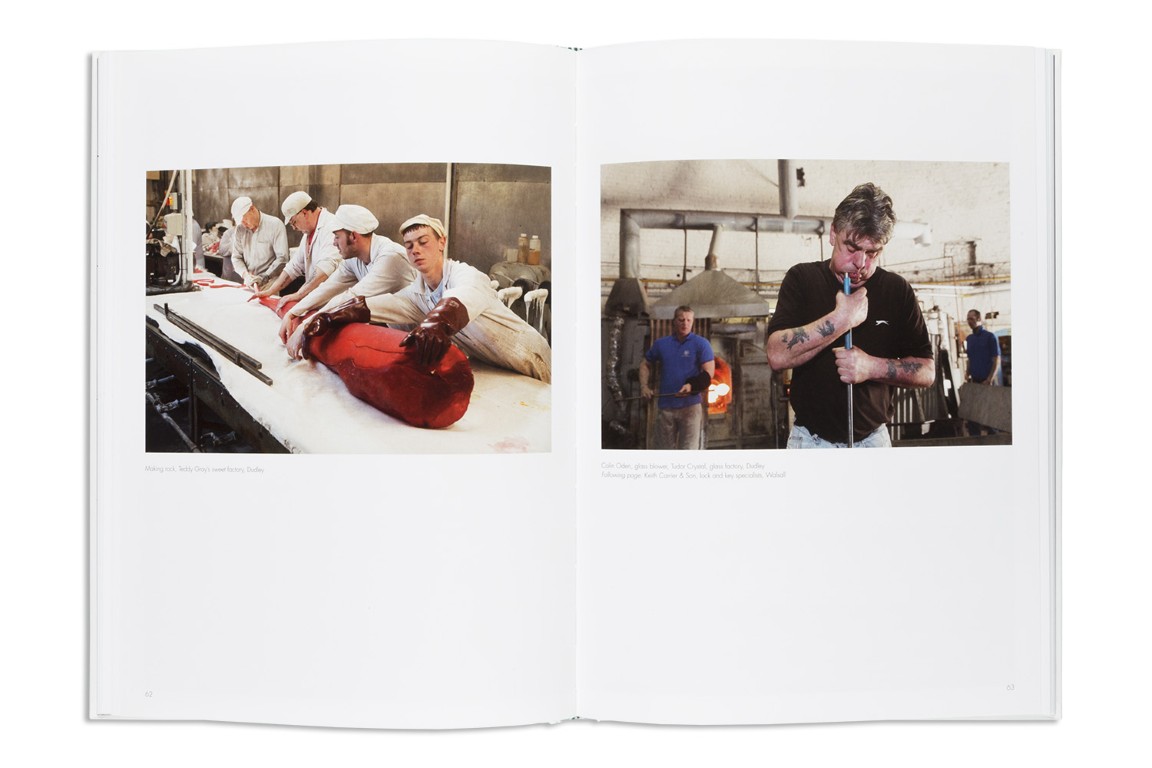
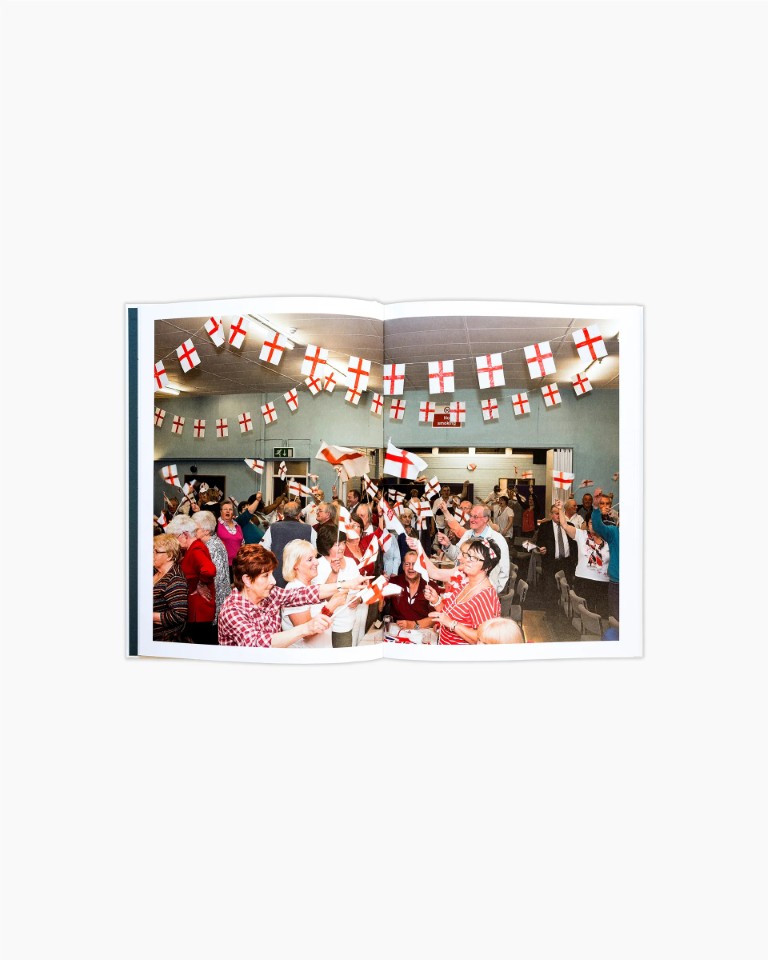
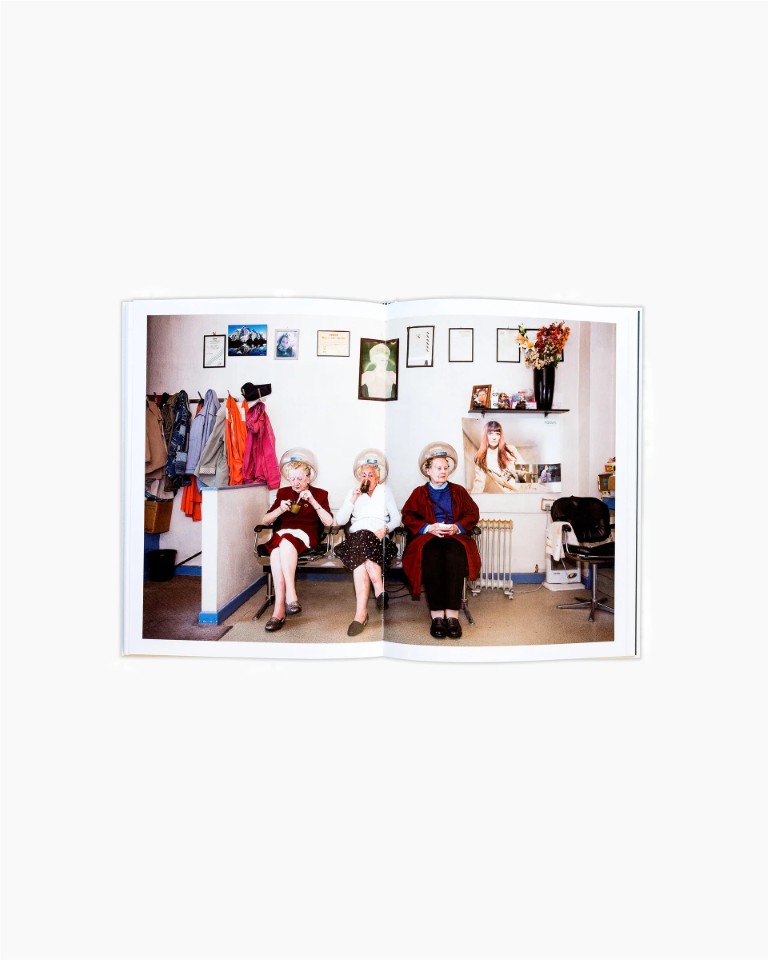
Martin Parr a exploré des lieux de travail, des temples, des églises, des commerces, des clubs et des associations. Soucieux de ne pas négliger l’expérience du quotidien, il a également photographié au centre commercial Merry Hill, dans des magasins tels que Tesco, dans des bars, des clubs et des discothèques, ainsi que dans des espaces de loisirs comme des salles de sport, des centres sportifs et des spas. L’un des axes particuliers de cette nouvelle série est le portrait, un aspect du travail de Parr qui s’est pleinement épanoui au cours de ce projet.
Back Country Stories is the result of a commission for Multistory that Martin Parr undertook over a number of years. It was an area he knew little of, other than its reputation as a densely populated, post-industrial area; one in decline. Many of the industries that once made the Black Country great have declined, but numerous small factories and manufacturing businesses remain in good health. A degree of regeneration has also come as a result of the many immigrant communities that have made the Black Country their home. The region is now populated with many different communities – Polish, Sikh and Somali to name but a few.
Martin Parr has explored workplaces, temples, churches, shops, clubs and societies. Wary of neglecting the day-to-day experience, he also photographed in the Merry Hill Shopping Centre, in shops such as Tesco, in bars, clubs and nightclubs as well as in leisure facilities such as gyms, sports centres and spas. One particular focus of this new series is on portraiture, an aspect of Parr’s work that has really blossomed through the project.
For Parr, it was a welcome return to the notion of being a community photographer, something he last did in the late 1970s in the Calder Valley in and around Hebden Bridge – connecting to the community, giving back prints to the subjects and ensuring that the photographs are shown locally before being launched on an International stage.
Martin Parr has developed an international reputation for his innovative imagery, his oblique approach to social documentary, and his input to photographic culture within the UK and abroad. He has published more than 80 books of his own work, edited a further 30, and exhibited in every continent. He has curated innumerable exhibitons and has acted as guest Director at Rencontres D’Arles and the New York Photo Festival. Parr is also well known for his enthusiasm for the photobook and is co-author with Gerry Badger of the internationally acclaimed three volume series ‘The Photobook: A History’.