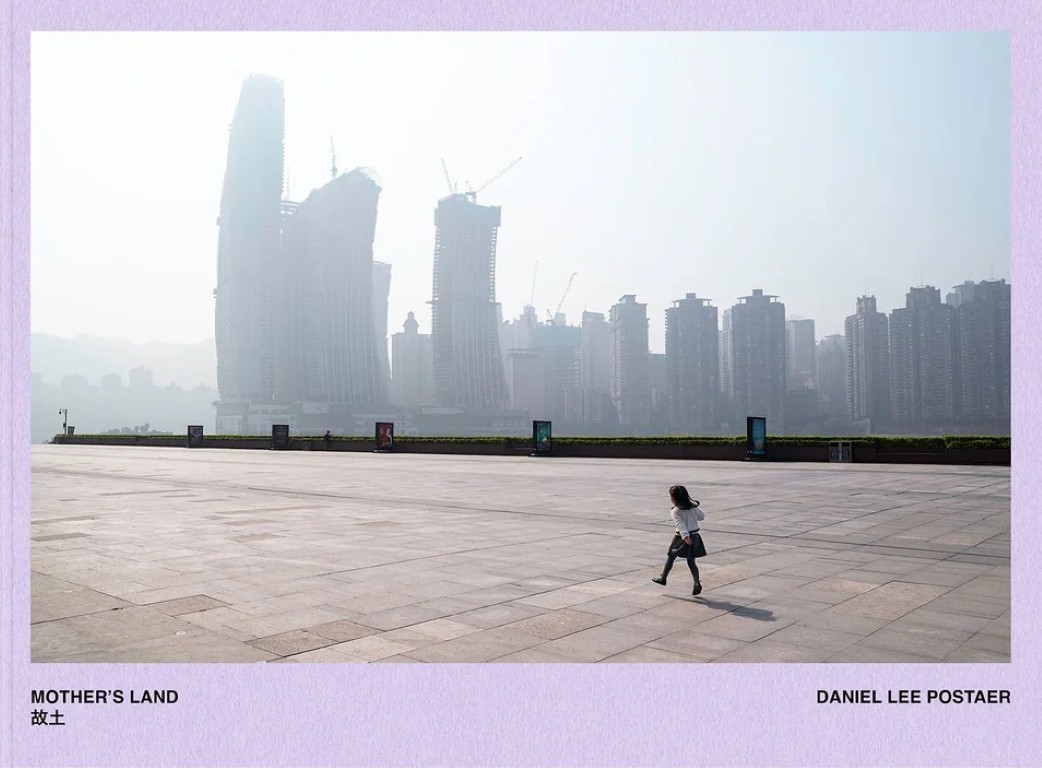
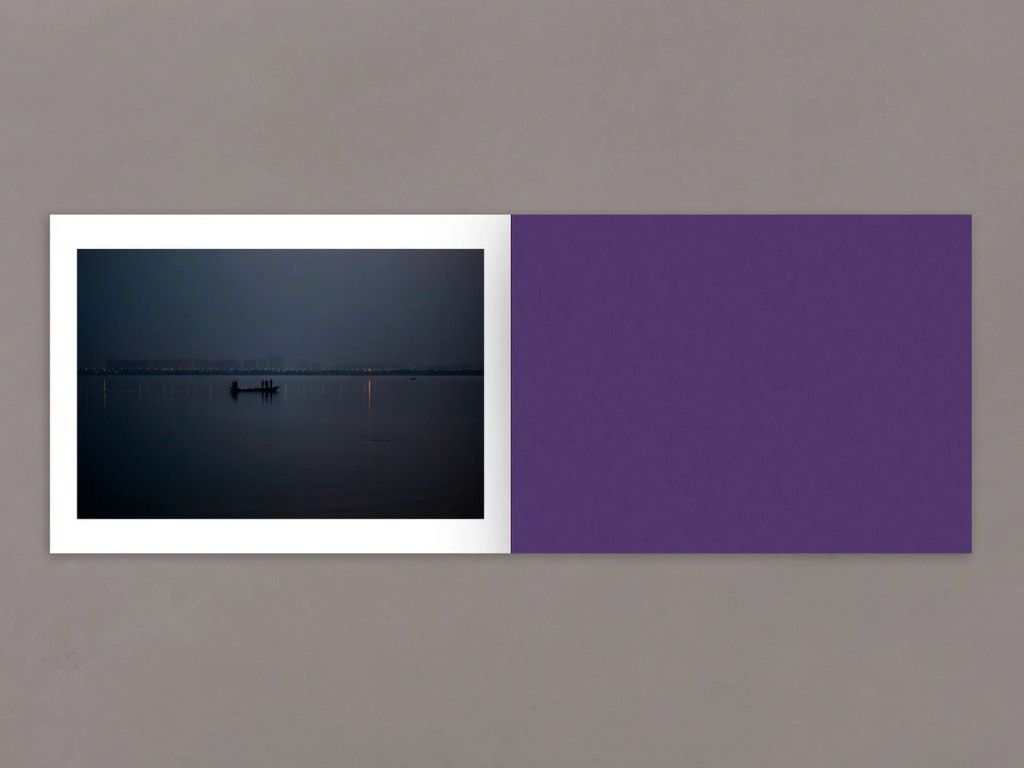
À la recherche de cette « autre moitié », Daniel Lee Postaer a vécu en Chine au début des années 2000, puis y est retourné à plusieurs reprises dans la seconde moitié des années 2010, devenant un témoin direct des évolutions contemporaines du pays.
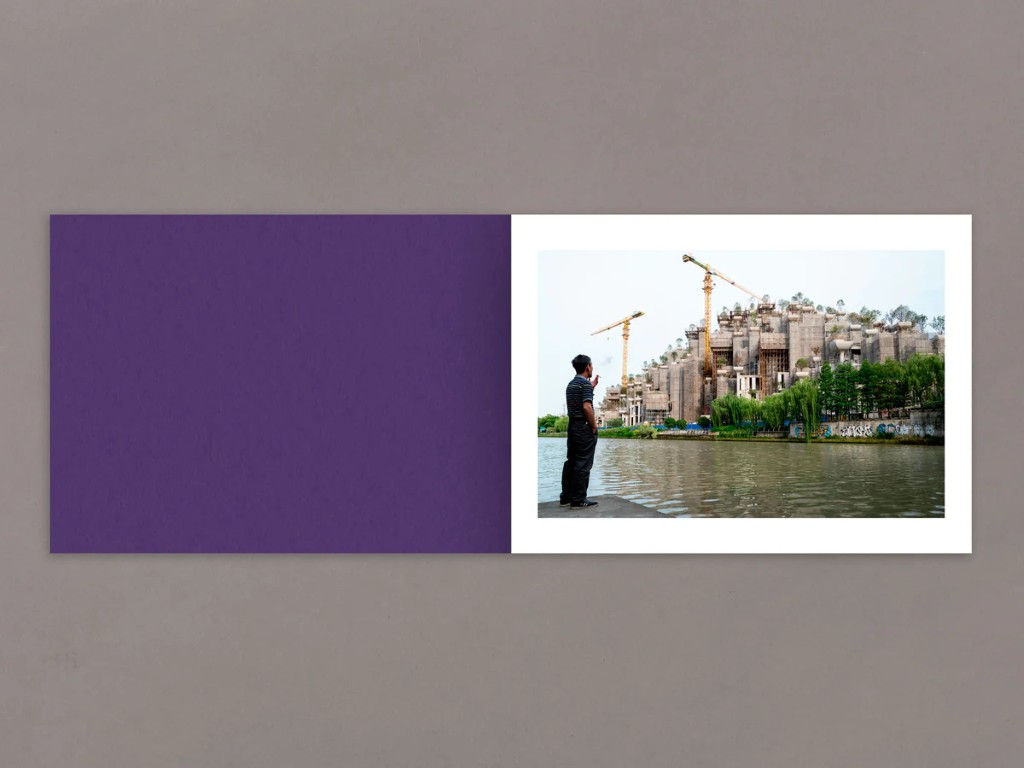
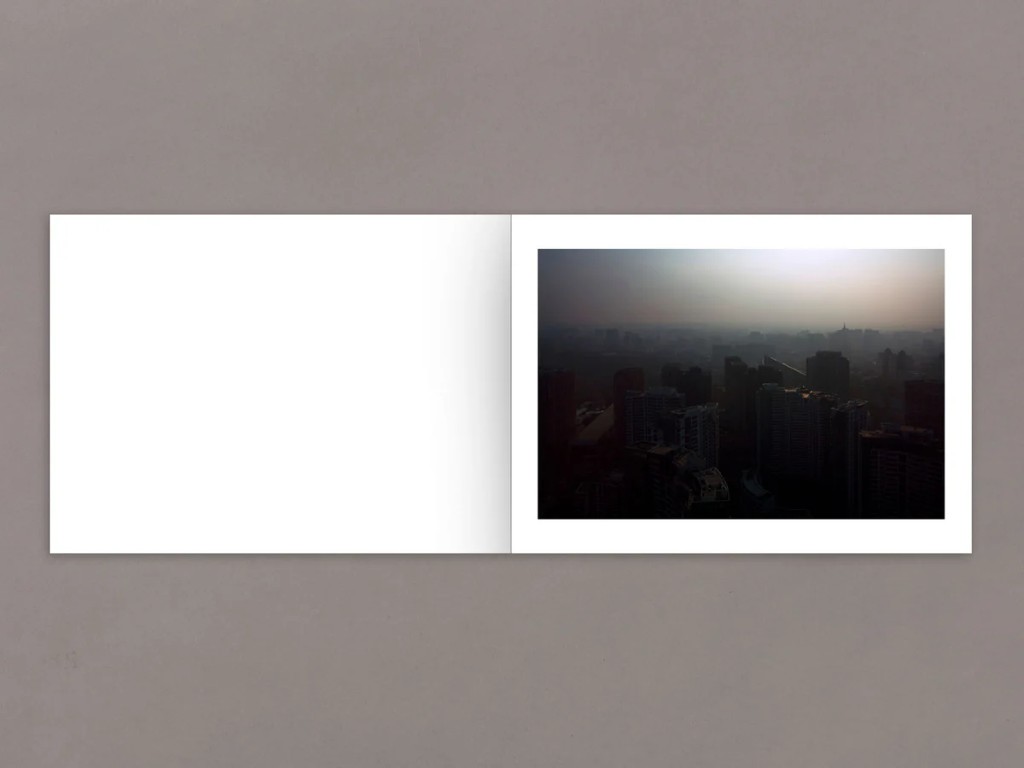
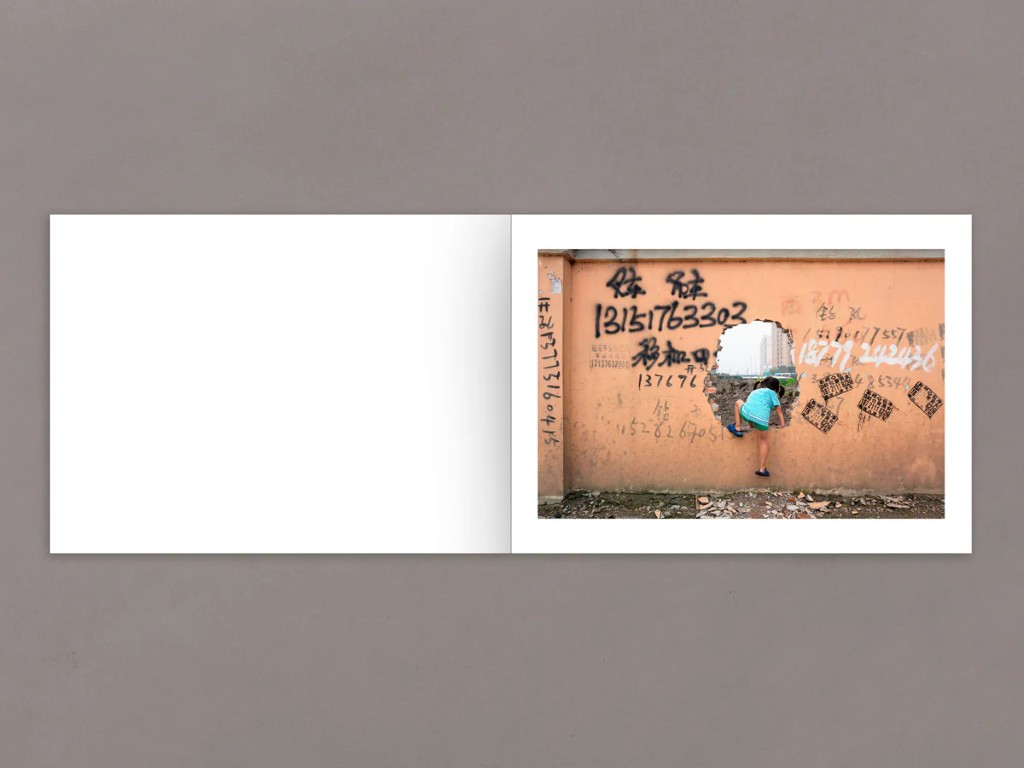
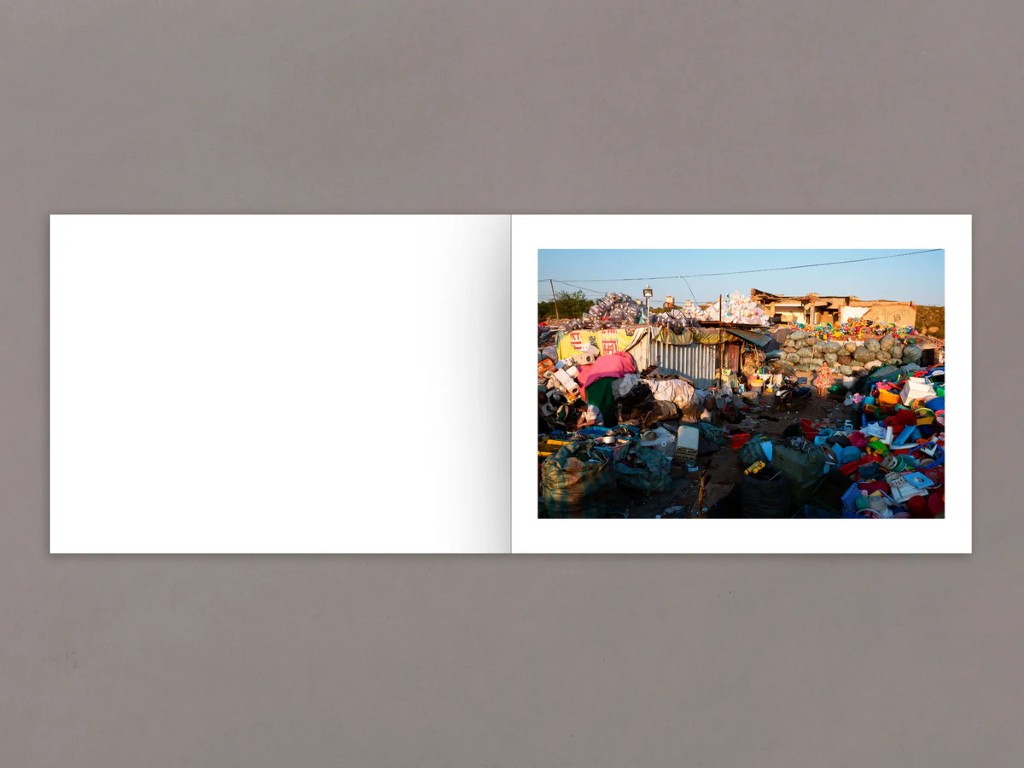
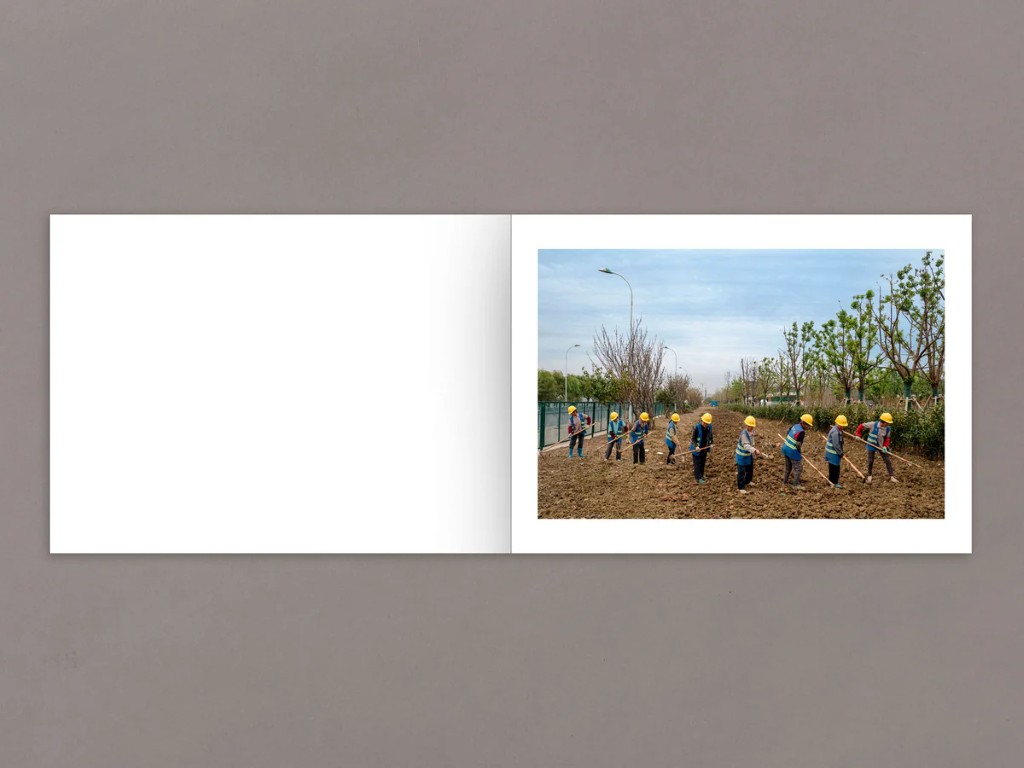
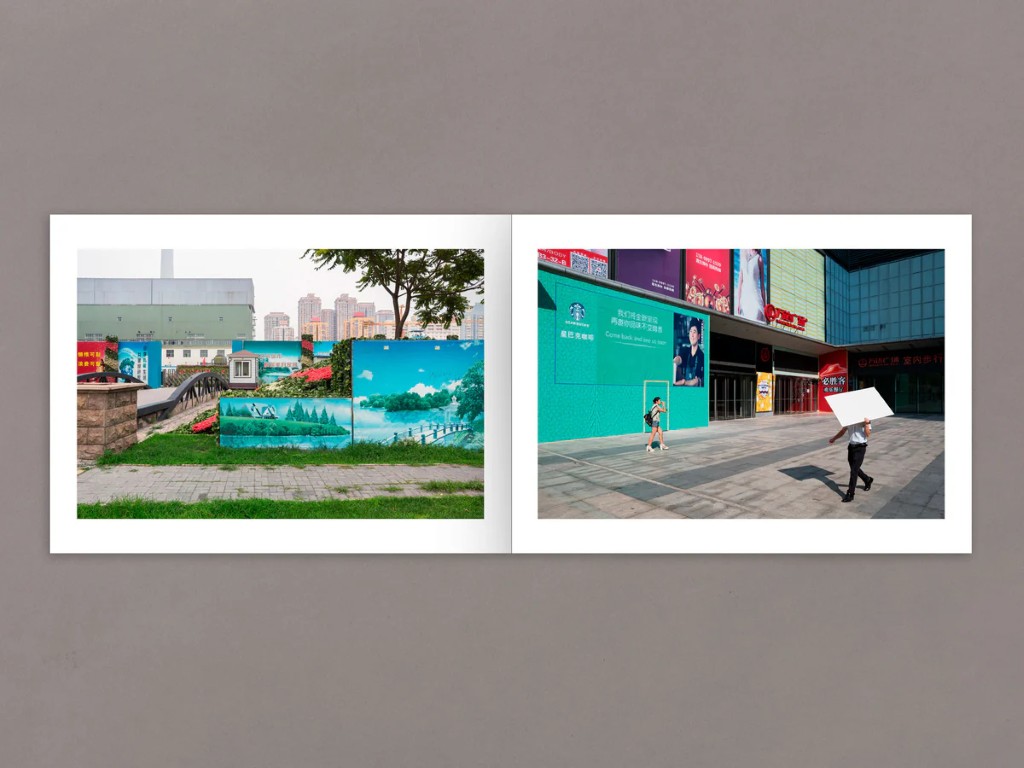
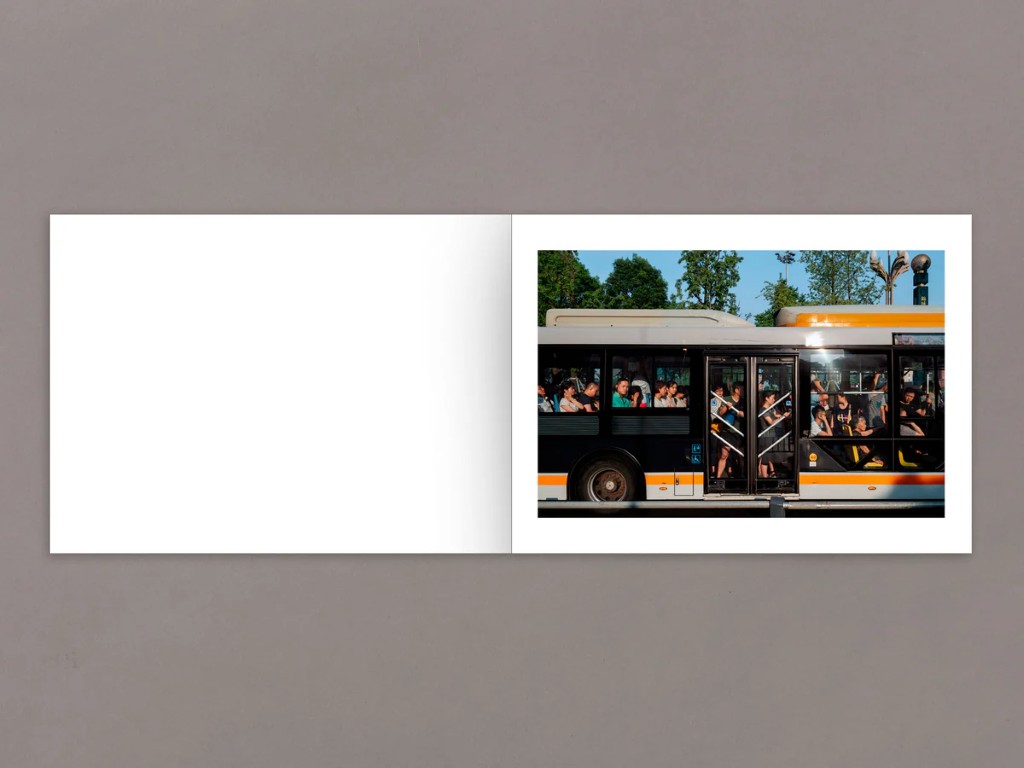
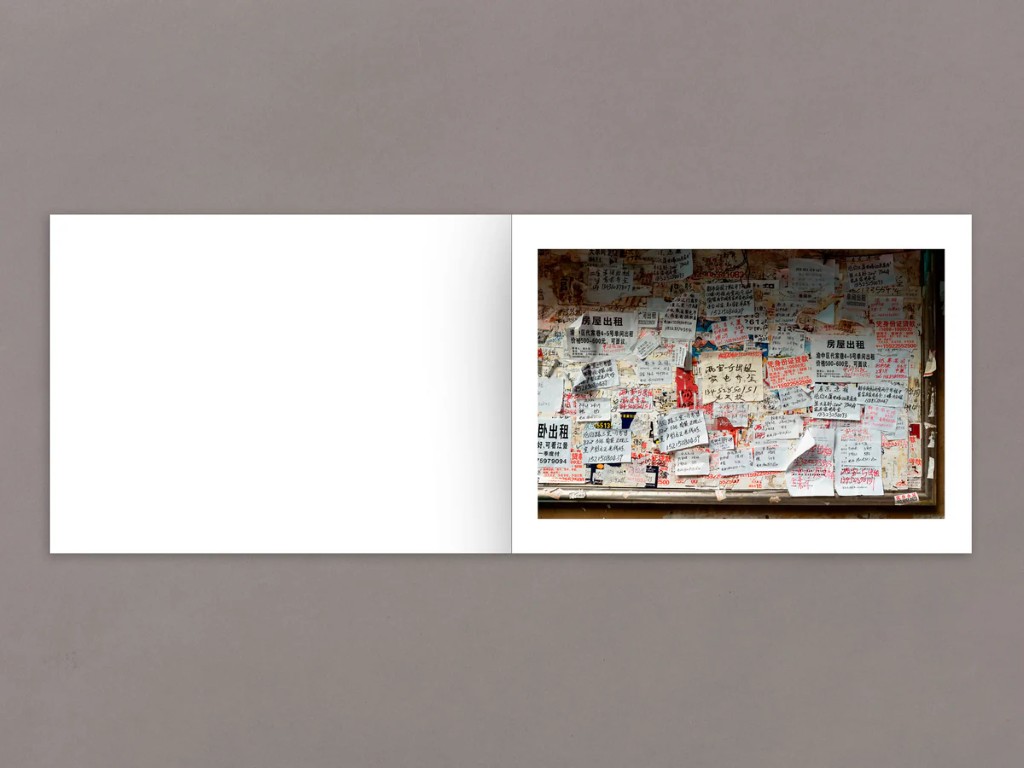
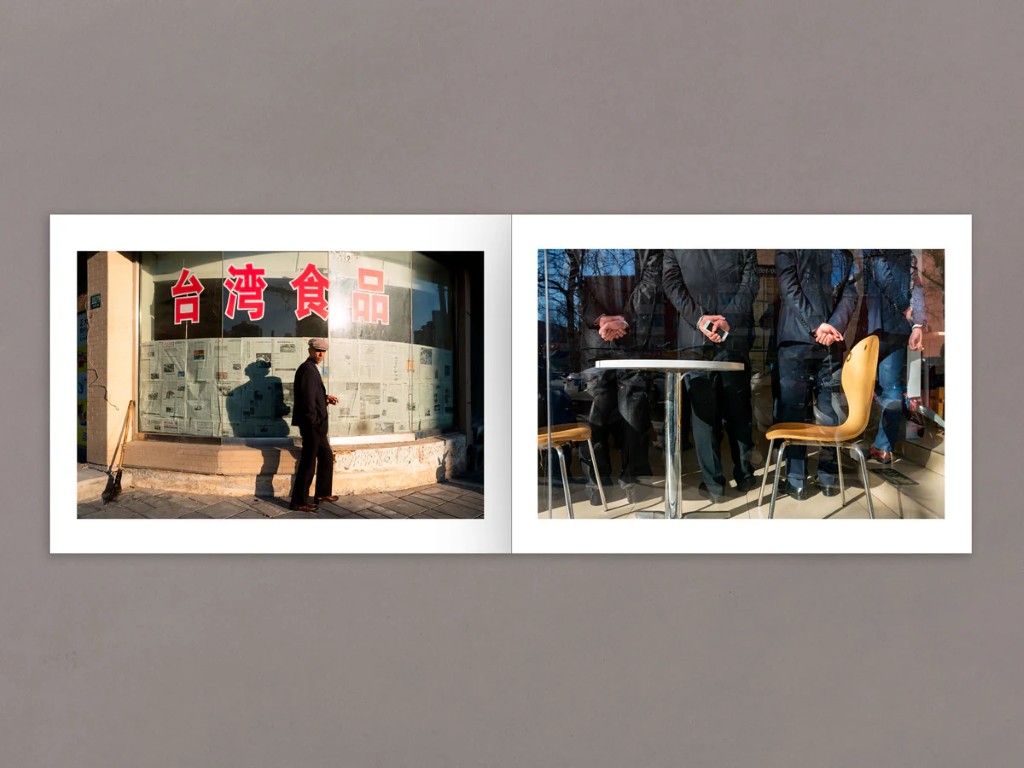
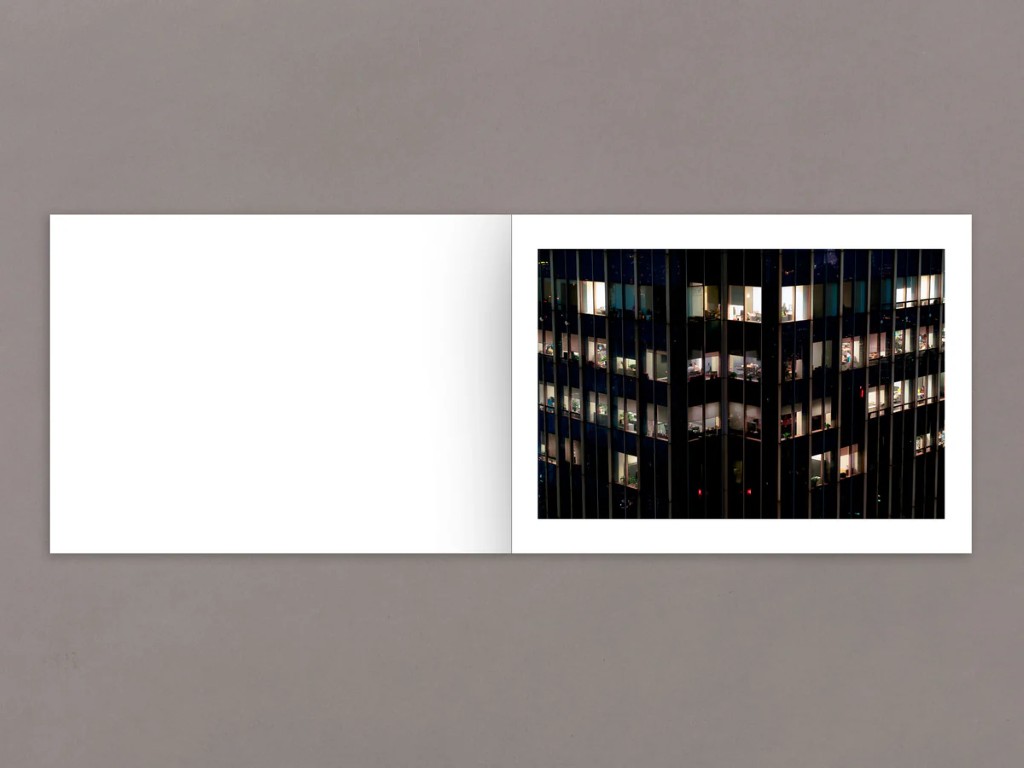
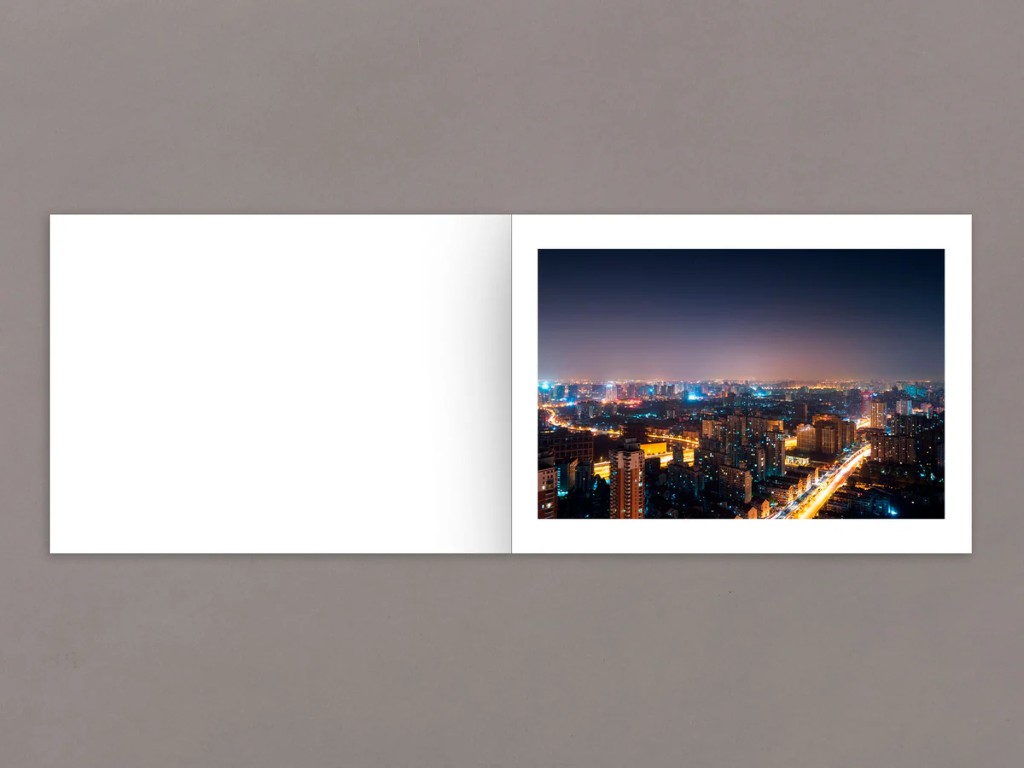
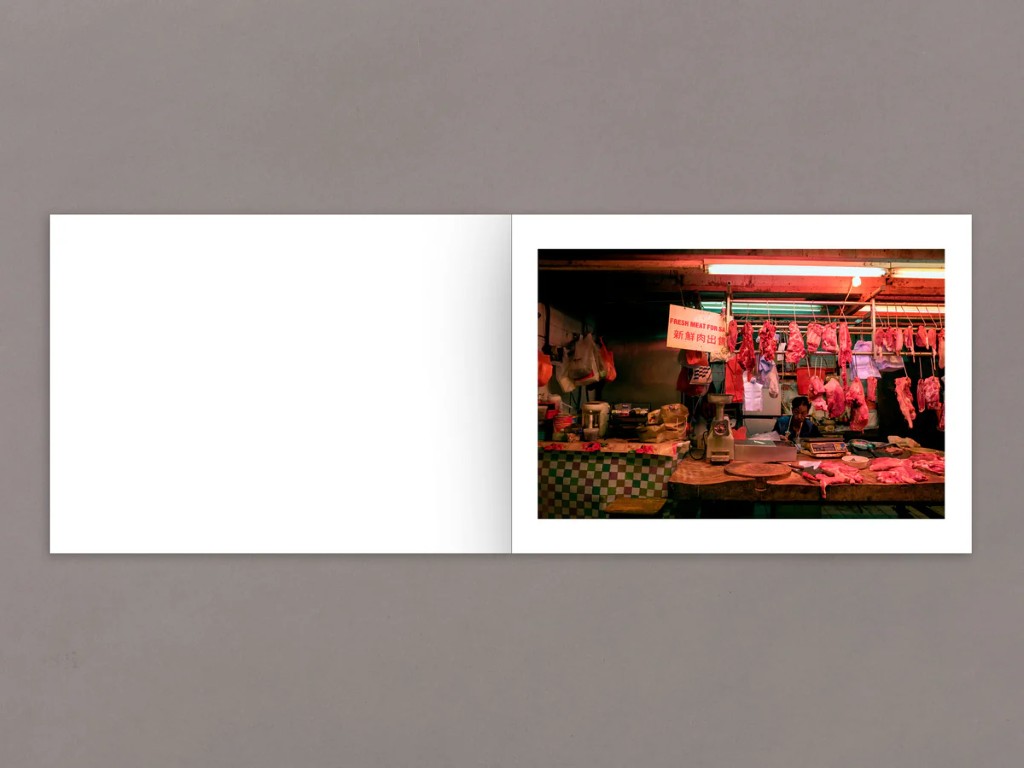
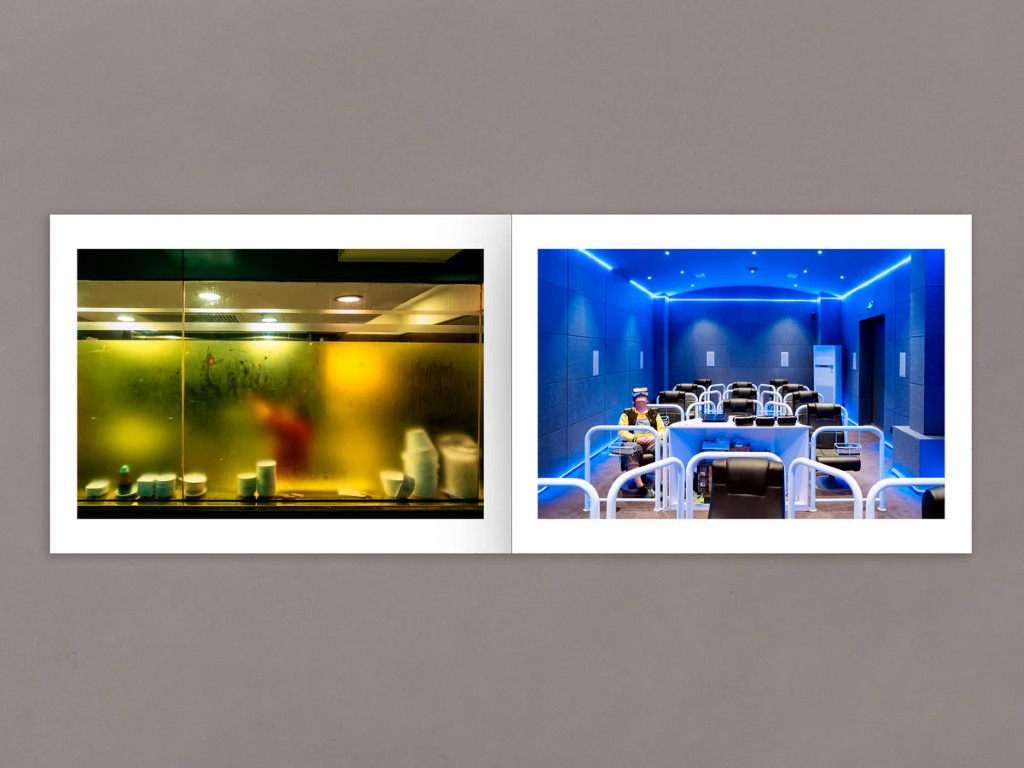
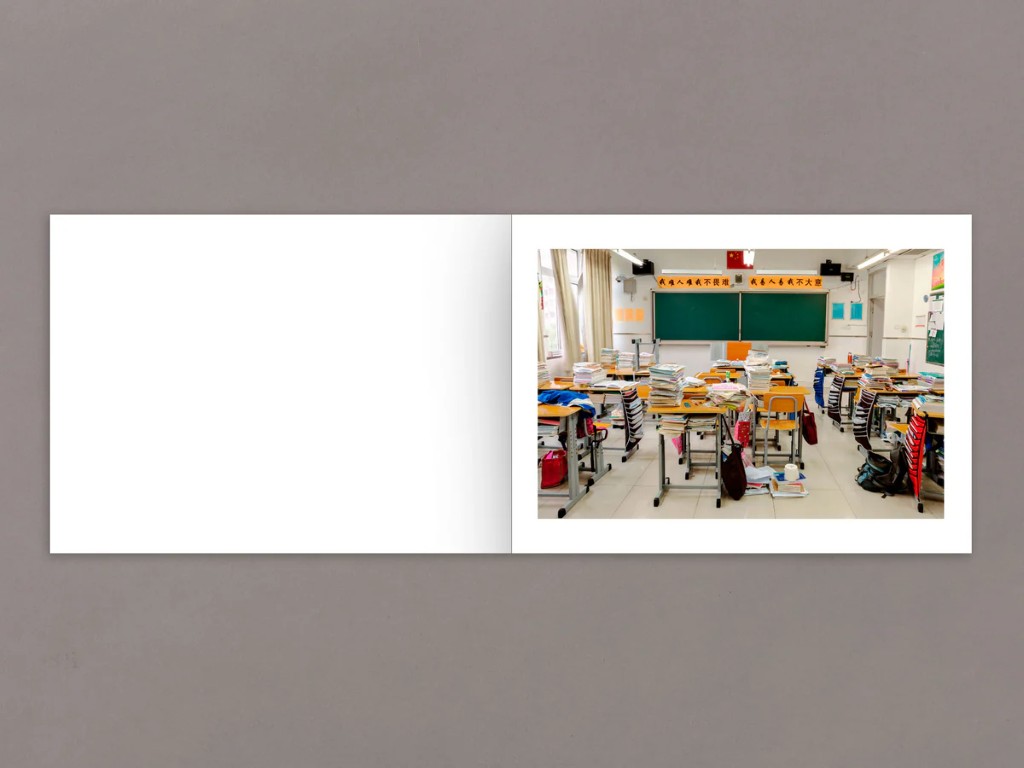
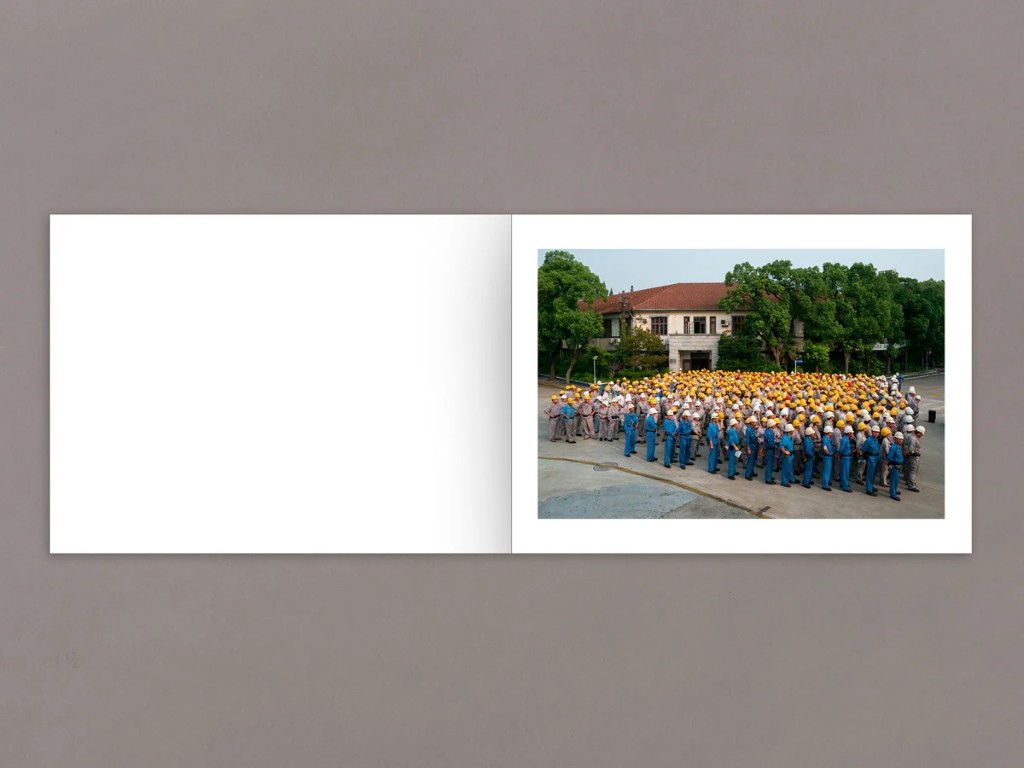
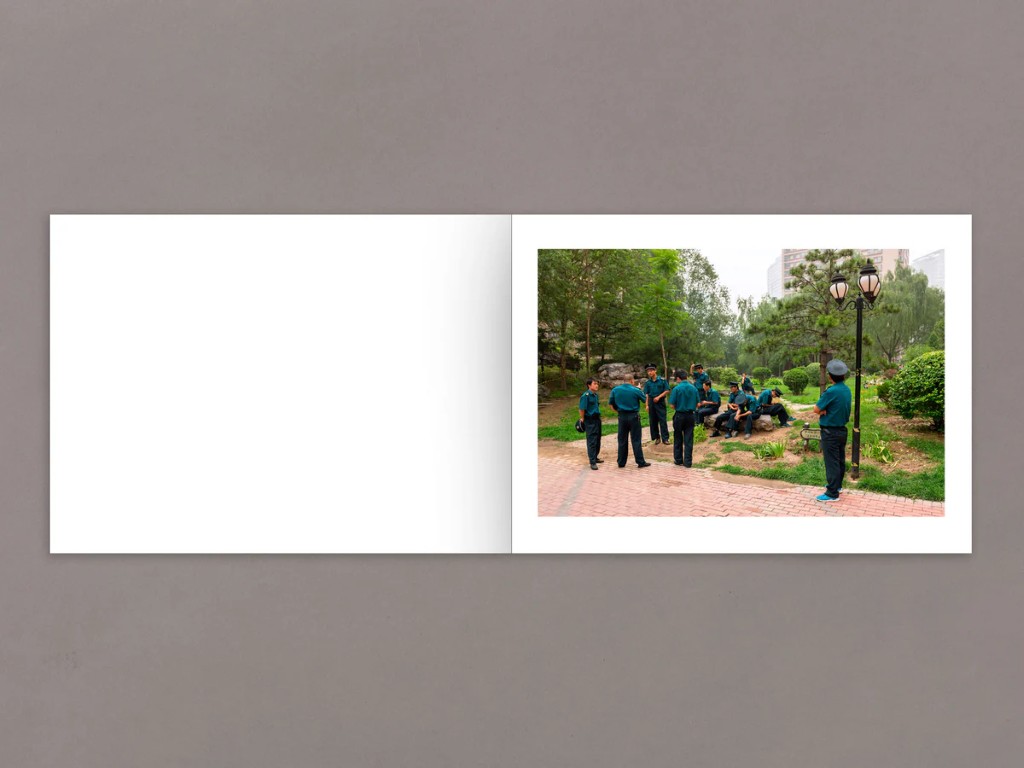
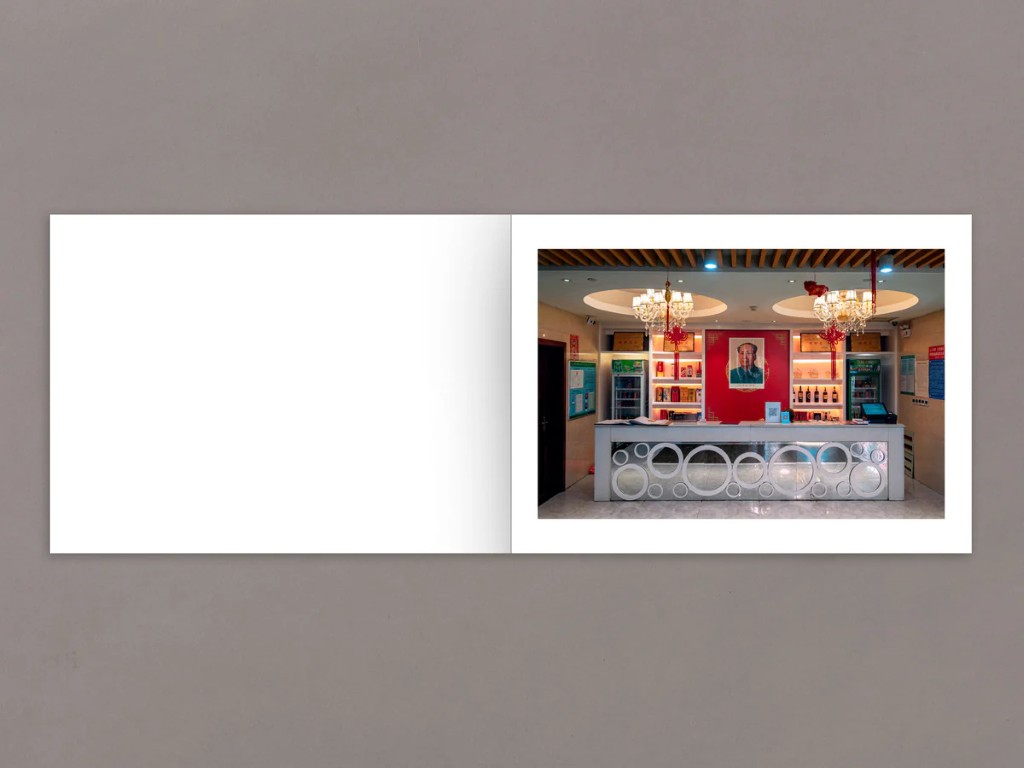
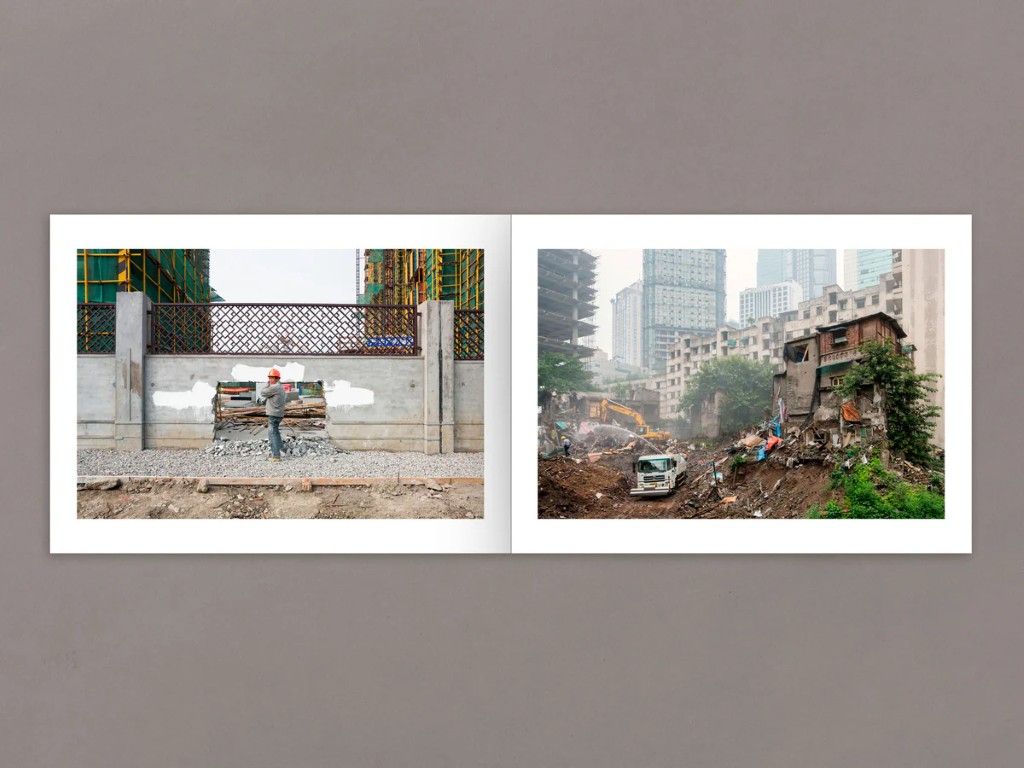
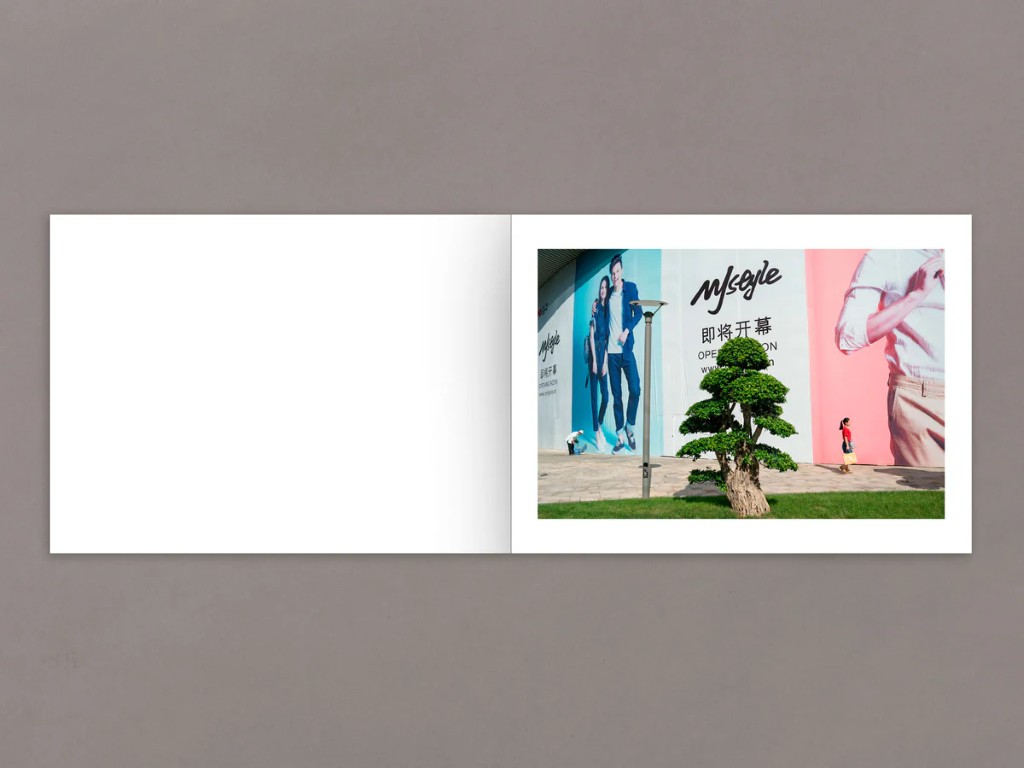
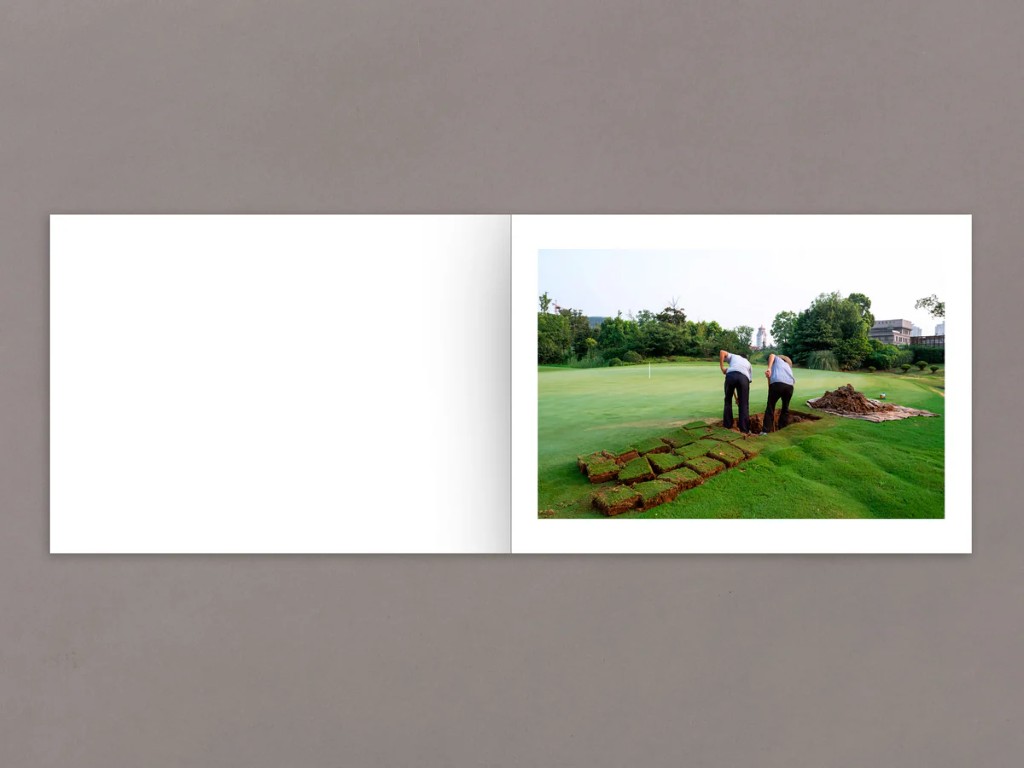
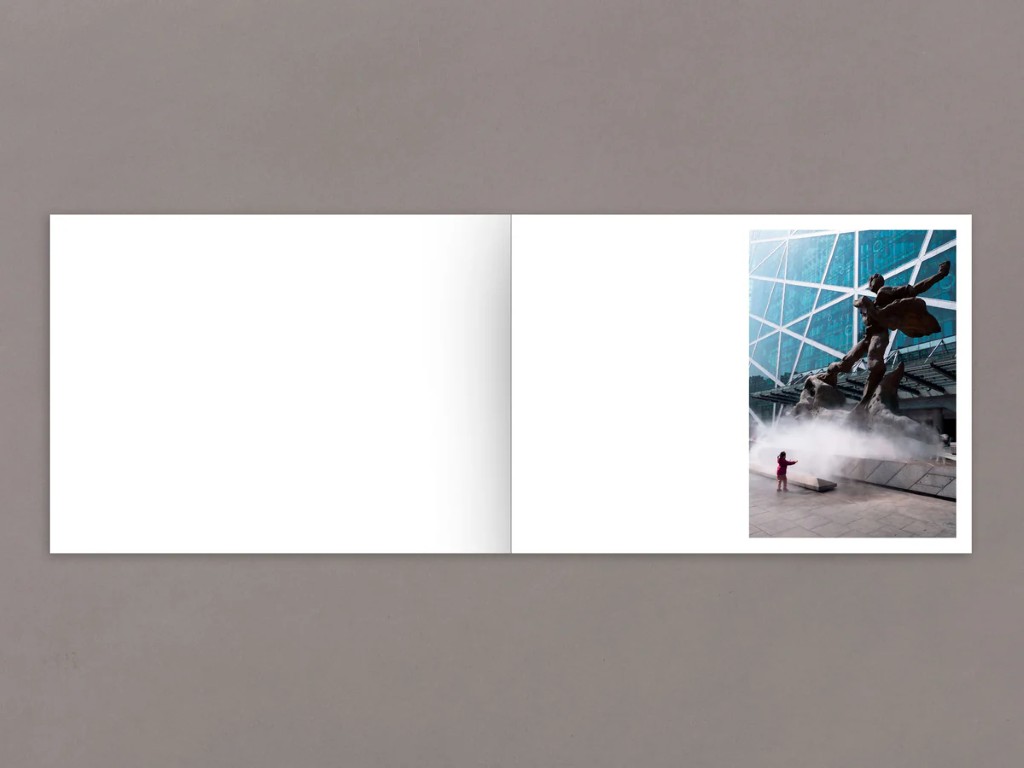
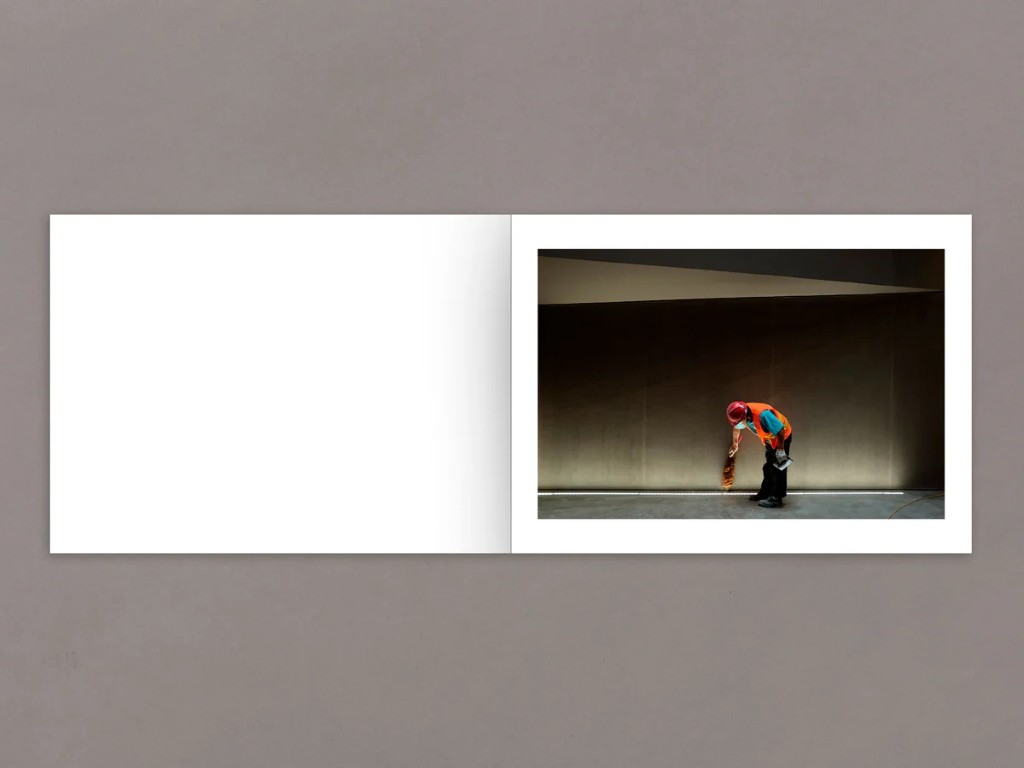
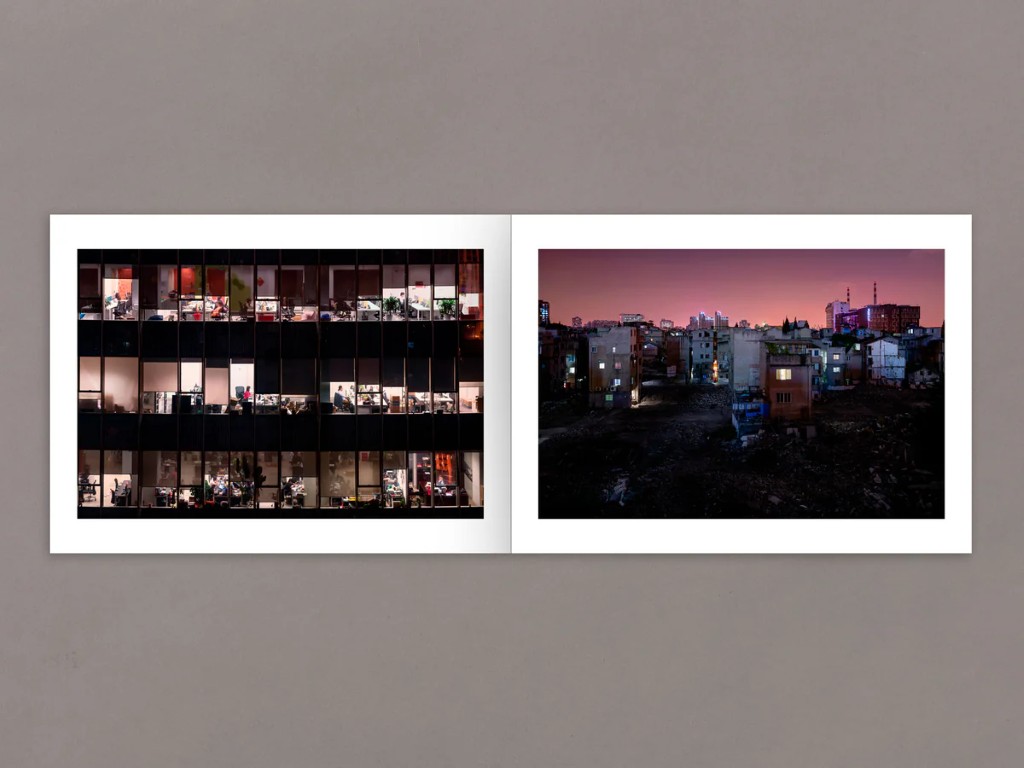
Dans un portrait global de la Chine urbaine, à travers de vastes compositions réunissant une multitude de personnages et de scènes, Mother’s Land nous montre un pays en proie à de profondes transformations économiques et sociales. Un pays brutal aussi, qui efface sans scrupules, sans mémoire ; qui détruit pour reconstruire plus loin, plus grand, plus haut. Un pays en mutation, où les contrastes s’exacerbent, où les surfaces lisses et brillantes du verre et de l’hypermodernité se heurtent à la rudesse des gravats disséminés parmi les ruines. Un pays où le temps s’accélère violemment, où chaque année semble en valoir cinq, et où les traces de la vie passée de Postaer paraissent s’évaporer. Seuls les chantiers révèlent, à travers les décombres, toutes les strates du temps écoulé — des couches sédimentaires mettant au jour les vestiges du passé texte de Christopher McCall.
In search of this « other half, » Daniel Lee Postaer lived in China in the early 2000s, and returned several times in the second half of the 2010s, becoming a first-hand witness to the country’s contemporary developments.
In an all-encompassing portrait of urban China, in large-scale compositions embracing a multitude of characters and scenes, Mother’s Land shows us a country in the throes of economic and social transformations. A brutal country, too, that erases without scruple, without memory; which demolishes to rebuild further, bigger, higher. A country in mutation, where contrasts become apparent, where the smooth and shiny surfaces of glass and hypermodernity clash with the coarseness of rubble scattered among ruins. A country in which time moves violently fast, in which each year seems like five, and where the traces of Postaer’s previous life seem to evaporate. Only the construction sites reveal, through the rubble, all the strata of time gone by—sedimentary layers unearthing vestiges of the past ; essay by Christopher McCall.